
Planting
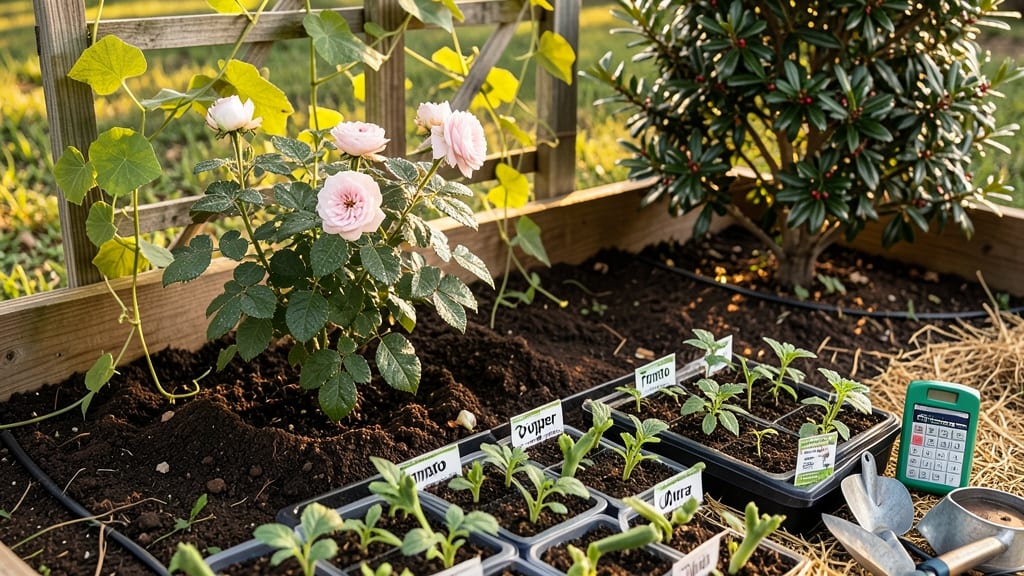
Planting a garden in Texas at the right time means the difference between a bountiful harvest and a sad pile of wilted seedlings.
Texas gardeners face a unique challenge: scorching summers and unpredictable weather. Planting at the wrong time can mean wasted seeds and stunted growth—but timing it right unlocks a thriving garden year-round.
Cool-season crops like lettuce and broccoli need to go in the ground 6-8 weeks before the last frost, while tomatoes and peppers thrive when soil temperatures hit 60°F or warmer. Missing these windows can leave you with bolted greens or leggy, heat-stressed plants.
Below, I break down the exact planting windows for Texas heat zones A-F, including pro tips to beat the heat and stretch your growing season. Ready to turn your Texas garden into a year-round success?
Texas planting zones by heat zone: best start dates for cool-season crops
Texas isn’t one-size-fits-all when it comes to gardening. The state’s heat zones A-F create dramatically different planting windows for cool-season crops.
In Zone A (North Texas), you can start broccoli as early as February, while Zone F (South Texas) gardeners wait until October to avoid summer’s brutal heat. Understanding these zones helps you avoid frost damage and maximize harvests.
Cool-season crops like lettuce, spinach, and cabbage thrive when soil temperatures stay below 75°F. In Texas, this means planting in fall or early spring, but the exact timing shifts 1-2 months depending on your zone.
For example, Zone C (Central Texas) has a 60-day window between frost risks, while Zone E (East Texas) stretches that to 90 days.
Here’s your heat-zone breakdown for planting cool-season crops, including soil temperature thresholds and frost risk timelines to guide your schedule. Use this as your roadmap to successful fall and spring plantings.
🌱
In Zone A (North Texas), for example, you can start broccoli seeds indoors in February for a spring harvest. But wait until September to plant the same crop for a fall harvest, as summer temperatures would bolt the plants.
Meanwhile, Zone F (South Texas) gardeners must plant cool-season crops in October to avoid 90°F+ soil, which stresses seedlings.
Soil temperature is just as critical as air temperature. Use a <
Heat-tolerant vegetables: when to plant warm-season crops in Texas
Texas summers can turn your garden into a sauna if you're not careful—but with the right timing, you can grow tomatoes, peppers, and okra that thrive in the heat.
Warm-season crops need consistent warmth to germinate and grow, so planting too early risks stunted plants or bolting. The key is to wait until soil temperatures stay above 60°F consistently.
For most of Texas, this means starting warm-season crops like melons and squash in late March to early April in North Texas, while South Texas gardeners can begin as early as mid-February. However, avoid planting during extreme heat spikes—wait until temperatures stabilize below 95°F to prevent wilting.
- 1. Tomatoes & Peppers: Plant after last frost (March-April in North Texas, Feb-March in South). Use black plastic mulch to warm soil faster.
- 2. Okra: Direct-sow when soil hits 70°F+ (April-May). Thrives in 100°F+ heat—perfect for South Texas!
- 3. Melons: Wait until soil is 75°F+ (April-May). Use drip irrigation to avoid fungal issues.
- 4. Companion Plant: Pair basil with tomatoes to repel pests, and marigolds near peppers to deter nematodes.
- 5. Avoid Bolting: Use shade cloth (30-50%) during peak heat (10 AM–3 PM) for early seedlings.
One of my favorite tricks is using staggered planting for tomatoes. Start with a few seeds in early April, then add more every 2 weeks until early May. This ensures a continuous harvest and reduces stress on plants during heatwaves.
For peppers, which are especially sensitive to cold snaps, I always plant mine after Mother’s Day—safely past the last frost date for most regions.
Watering is critical during Texas summers. Deep watering in the early morning (before 8 AM) minimizes evaporation and fungal risks. I recommend soaker hoses or drip systems to deliver moisture directly to roots.
Mulching with straw or wood chips helps retain soil moisture and keeps roots cool—essential for okra and squash, which wilt quickly in dry conditions.
Companion planting can work wonders in Texas heat. For example, planting basil near tomatoes improves flavor and deters pests like whiteflies. Similarly, marigolds near peppers repel nematodes, while nasturtiums act as a trap crop for aphids.
These pairings reduce the need for chemical interventions and keep your garden thriving without extra effort.
If you're in South Texas (Zones F-G), you can even extend your growing season into late fall. Plant winter squash or collard greens in September for a harvest before the first hard frost.
Just be mindful of humidity spikes—fungal diseases like powdery mildew thrive in these conditions, so ensure good airflow around plants.