
Picking
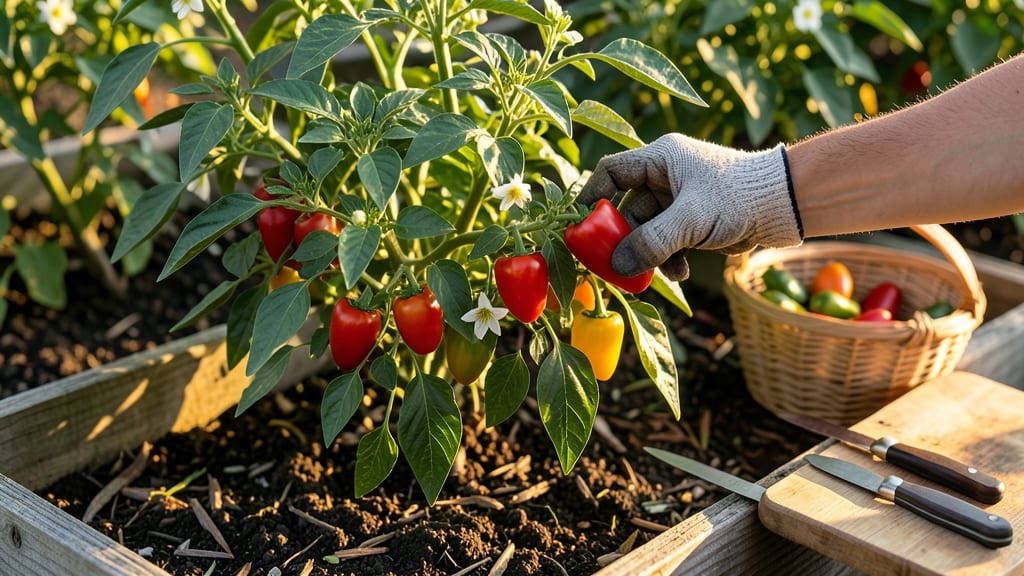
To pick garden salsa peppers 🌶️ at the perfect moment means the difference between a salsa that sizzles and one that fades.
Picture this: you’ve spent weeks nurturing your plants, and now the peppers are changing color—red, orange, or yellow—but are they really ready? One wrong move and your harvest could be too mild, too tough, or even bitter.
The secret? Knowing the exact color cues and firmness tests that guarantee peak flavor.
In this guide, I’ll walk you through the color-coded ripeness stages, from deep green to vibrant red, and share the simple tricks to test for the best flavor.
Whether you’re in Zone 6a or a warmer climate, these tips will help you harvest at the perfect time for the boldest, freshest salsa.
You’ll learn how to spot overripe or underripe peppers, the best tools for picking, and even how to extend your harvest season. By the end, you’ll never second-guess when to pluck another pepper—just the right amount of sunshine and a little know-how.


Color-coded ripeness stages for salsa peppers (with exact timing)
Harvesting salsa peppers at the right color stage transforms your garden into a fiery flavor factory. Unlike many veggies, peppers change color AND flavor as they ripen—green peppers pack a milder kick, while red, yellow, and orange varieties deliver bold, complex heat perfect for salsa.
Understanding these color-coded ripeness stages ensures you pick peppers when their flavor peaks, typically 75-90 days after transplanting.
Most salsa pepper varieties follow predictable color transitions: starting as green, then shifting through yellow, orange, and finally red. Each stage offers unique flavor profiles—green peppers taste grassier and less sweet, while fully mature red peppers develop deeper, sweeter notes with concentrated capsaicin.
For the best salsa, aim to harvest peppers when they’ve reached their mature color, as this aligns with peak flavor intensity.
| Ripeness Stage | Color | Days to Harvest | Flavor Profile | Best For |
|---|---|---|---|---|
| Immature | 🟢 Bright green | 60-75 days | Grassy, mild, less sweet | Quick pickles, stir-fries |
| Early Mature | 🟡 Yellow | 75-80 days | Sweet, fruity, moderate heat | Salsas, roasted dishes |
| Mid Mature | 🟠 Orange | 80-85 days | Balanced sweetness & heat | Classic salsa verde |
| Fully Mature | 🔴 Deep red | 85-90+ days | Deep, sweet, intense heat | Traditional red salsa |
Green peppers are often harvested early for pickling or cooking, but if you’re growing them specifically for salsa, wait until they’ve developed their mature color. For example, jalapeños and serranos typically ripen to red, while poblano peppers mature to a deep purple-black.
Pay attention to your specific variety’s color progression, as some may skip stages or develop unique hues like purple or brown.
Regional climate plays a role in ripening timing—peppers in hotter zones (9-10) may mature faster (60-75 days), while cooler areas (USDA zones 5-7) could extend the process to 90+ days.
If your growing season is short, prioritize early-maturing varieties like ‘Early Jalapeño’ or ‘Lunchbox’ serrano, which can be harvested in as few as 60 days at their green stage for immediate use.
Don’t overlook texture clues alongside color—ripe peppers should feel firm and glossy, not wrinkled or soft. A gentle twist at the stem should snap easily, indicating the pepper is ready. If the stem resists, the pepper needs more time.
For salsa-making, aim to harvest when peppers are fully colored but still firm, as overripe peppers (soft, leathery skin) lose their vibrant flavor and can spoil quickly.
Pro tip: Harvest peppers in the morning when temperatures are coolest. This preserves their freshness and flavor longer. Use clean, sharp pruning shears or scissors to cut stems, leaving a small portion attached to encourage more pepper production.
Store harvested peppers in a cool, dark place (like a paper bag in the fridge) for up to 2 weeks, or freeze them for extended salsa-making.
For continuous harvests, pick peppers every 2-3 days during peak production (July-September). This encourages the plant to produce more peppers, extending your salsa season. If you notice peppers slowing in color change, they may need more sunlight or warmth.
A quick check of your plant’s watering schedule can also help—consistent moisture prevents stress that stalls ripening.
Remember, not all salsa peppers follow the same color path. Some varieties, like ‘Shishito’ peppers, stay green even when fully ripe, while others like ‘Habanero’ turn bright orange or red. Always check your seed packet or plant tag for specific ripening details to avoid guessing.
When in doubt, taste-test a small sample—ripe peppers will burst with flavor, while underripe ones taste bland or seedy.
By mastering these color-coded ripeness stages, you’ll transform your garden into a salsa powerhouse. Whether you prefer bright green jalapeños for a tangy kick or deep red serranos for a smoky depth, timing your harvest right ensures every batch of homemade salsa shines.
Happy picking—and may your peppers always be plentiful and perfectly ripe! 🌶️
How to test pepper ripeness beyond color (texture, size, and taste)
Color is your first clue, but texture, size, and taste reveal the true ripeness of garden salsa peppers. Many gardeners pick too early or too late, missing the peak flavor window that makes homemade salsa exceptional.
I’ve learned that a firm, glossy pepper with a slight give when squeezed is the gold standard.
Size matters too—most salsa peppers should be 2-4 inches long (depending on variety) before harvesting. Smaller peppers often lack the sweet-spicy balance needed for great salsa. For example, my jalapeño plants produce peppers ready at about 3 inches, while serrano varieties stay smaller but pack more heat.
🚨 WARNING: Overlooking these signs can ruin your harvest! 🚨
⚠️ Common Mistakes That Spoil Salsa Peppers
- Picking too early: Peppers stay pale and underdeveloped—salsa lacks depth.
- Waiting too long: Overripe peppers become soft, wrinkled, and lose flavor.
- Ignoring stem checks: A pepper that snaps easily at the stem is ready; one that resists may still need time.
Pro Tip: Morning harvests ensure peppers haven’t lost moisture in the heat.
For a definitive test, taste one pepper before committing to a full harvest. The flavor should be bold and balanced, not bitter or bland. My jalapeños hit their sweet-spicy peak when they’re deep green or red and snap cleanly at the stem. If it’s too mild, wait 2-3 days.
Don’t forget to check for glossiness—ripe peppers have a slight sheen from natural oils. Dull or matte peppers often need more time. I also avoid harvesting in direct sunlight; the heat can trick you into thinking peppers are riper than they are.
Size benchmarks vary by variety, but most salsa peppers should match their expected mature dimensions. For instance, serrano peppers rarely exceed 1-2 inches, while bell peppers grow much larger. Always compare to the seed packet guidelines or your plant’s typical output.
Finally, harvest frequency matters—picking regularly encourages more production. I harvest my peppers every 2-3 days during peak season to keep the plants focused on new growth. Overlooking this can lead to fewer, larger peppers that may not ripen fully before frost.