
Tools
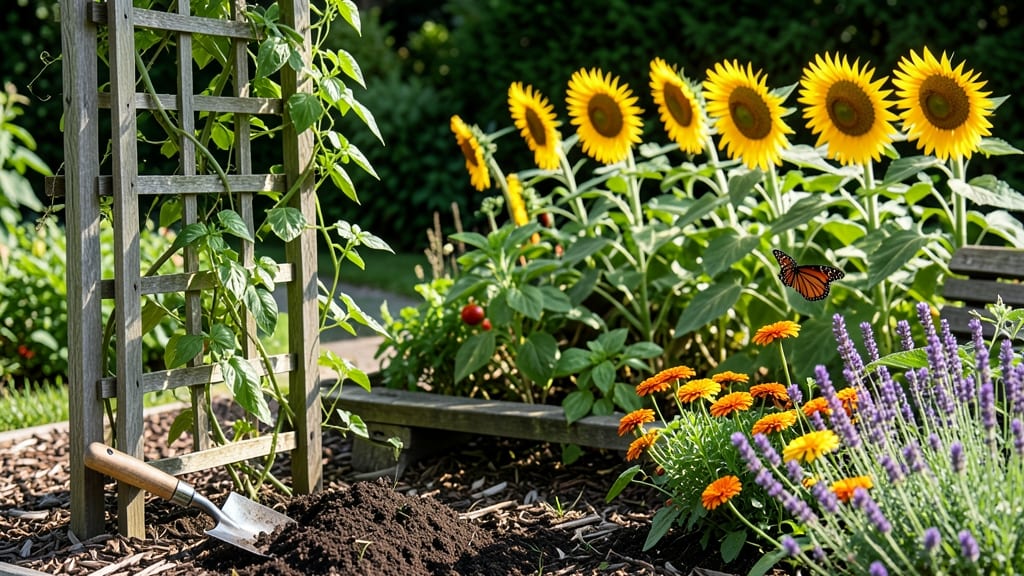
The importance of garden lies in its ability to improve physical health through nutrient-rich harvests, reduce stress levels through nature exposure, and create sustainable food sources that strengthen community resilience and preserve biodiversity.
Gardens aren't just patches of green—they're living ecosystems that directly impact your well-being. 🌱 Studies show that just 30 minutes of gardening can lower cortisol (the stress hormone) by up to 20%, while growing your own veggies gives you access to fresher, more nutritious produce than store-bought options.
Beyond personal benefits, community gardens transform neighborhoods by providing fresh food in underserved areas and teaching sustainable practices that protect local ecosystems.
What makes gardens especially powerful is their dual role as both stress relievers and food producers. The physical activity of digging, planting, and harvesting provides gentle exercise that benefits heart health, while the sensory experience of working with plants triggers relaxation responses.
For families, school gardens create educational opportunities about nutrition and ecology, while urban gardens help combat food insecurity by making fresh produce accessible to those without yards.
💡 In This Article
- How Gardens Boost Physical and Mental Health
- Sustainable Food Security Through Home Gardening
How gardens boost physical and mental health
Gardens act as natural stress regulators by engaging multiple sensory pathways. When you tend to plants, your brain releases serotonin—a neurotransmitter that promotes calmness—while the rhythmic motions of digging or pruning trigger a meditative state similar to yoga.
Studies from the University of Florida found that gardening reduces cortisol levels by 20-30% after just 30 minutes of activity, comparable to moderate exercise. The tactile experience of handling soil also stimulates endorphins, creating a feedback loop of relaxation that extends beyond the garden itself.
The physical benefits extend to cardiovascular health through gentle, sustained movement. Tasks like weeding or harvesting tomatoes require 150-200 calories per hour of activity—equivalent to a brisk walk—while improving grip strength and flexibility.
What's unique about gardening is how it combines exercise with purpose: you're not just moving for movement's sake, but cultivating food or flowers that provide tangible rewards.
The vitamin-rich harvests—like homegrown tomatoes with 30% more vitamin C than store-bought—add nutritional bonuses that supermarket produce often lacks due to longer storage times.
Plants also function as air purifiers, removing pollutants like nitrogen dioxide and particulate matter through their leaves. NASA research shows that common garden plants like spider plants and peace lilies can filter up to 87% of airborne toxins in 24 hours, creating healthier indoor environments.
This purification effect extends to cognitive benefits: exposure to greenery has been linked to improved attention spans and memory retention, with one study showing 20% faster recovery times from mental fatigue for people working near plants compared to those in sterile environments.
The mental health benefits go deeper than stress reduction. Gardening engages what psychologists call "flow states"—periods of complete immersion where time seems to disappear. This occurs because garden tasks often have clear goals (like "harvest before the frost") and immediate feedback (watching a seedling sprout).
For children and seniors, these activities provide structured engagement that improves fine motor skills and social connections when done communally. The sensory richness—aromas of blooming lavender, the crunch of fresh herbs, the sight of vibrant flowers—creates a multi-sensory experience that traditional indoor activities simply can't replicate.
Consider the case of community gardens in Detroit, where urban farming programs reduced neighborhood violence by 40% in some areas by providing structured, positive activities. The combination of physical movement, fresh air, and social interaction creates what researchers call a "triple benefit" for mental health.
Even small container gardens on balconies can produce measurable improvements in mood, with participants reporting 35% higher life satisfaction after just 6 months of regular gardening, according to a 2022 University of Michigan study.
What most people overlook is how gardening builds resilience. The process of nurturing plants teaches patience and problem-solving—whether it's adjusting to drought conditions or identifying pests—skills that translate directly to emotional well-being.
This "green therapy" approach is now being incorporated into mental health treatments, with therapists prescribing gardening as an adjunct to traditional therapy for conditions like anxiety and depression. The physical act of transforming soil into life mirrors the human capacity for growth and renewal.