
Size
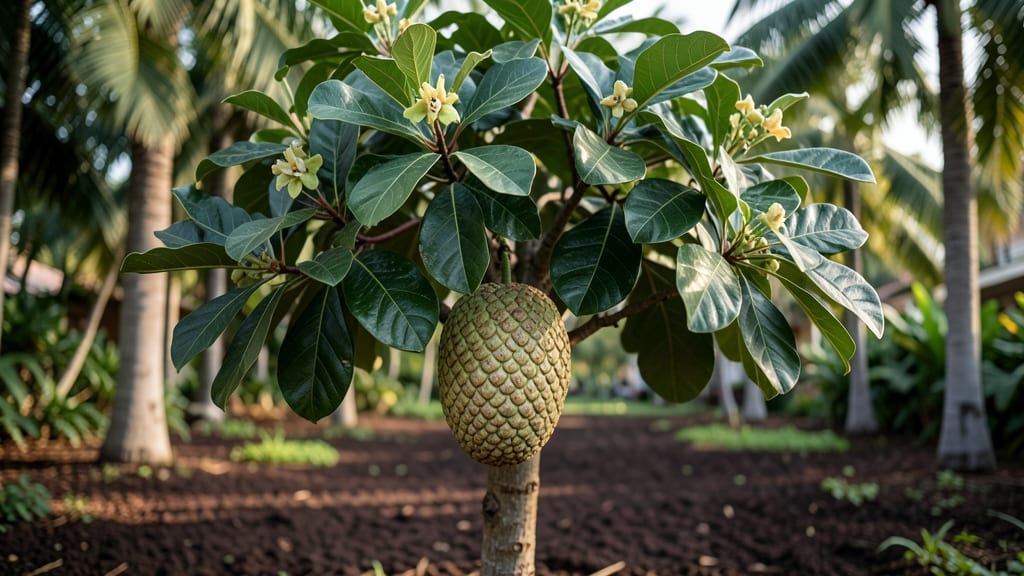
Growing sugar apple in a garden confirms it's a tropical fruit that thrives in USDA zones 10-12, requiring consistent warmth and humidity to produce fruit. Its sensitive nature means gardeners must plan carefully for frost protection and controlled environmental conditions.
Sugar apple (Annona squamosa), also called sweetsop, originates from the Caribbean and Central America, where tropical heat and high humidity create perfect growing conditions. 🌴 Unlike hardier fruits, it struggles below 60°F and needs 70-85% humidity to thrive.
In cooler climates, gardeners often grow it as a container plant or under protective structures, mimicking its natural tropical environment. The fruit's delicate skin bruises easily, so handling with care is essential during harvest and storage.
For successful cultivation, focus on well-draining soil with 6.0-7.0 pH and partial shade during peak afternoon sun. Many gardeners use black plastic mulch to warm the soil and extend the growing season.
While challenging outside its native range, sugar apple's unique flavor—often described as a mix of pineapple and pear—makes the effort worthwhile for tropical fruit enthusiasts.
💡 In This Article
- Understanding Sugar Apple’s Tropical Climate Needs
- Growing Sugar Apple in Non-Tropical Gardens: Tips and Tricks
Understanding sugar apple’s tropical climate needs
The sugar apple (Annona squamosa) is a native of tropical regions, particularly Central America and the Caribbean, where it thrives under specific climate conditions. This fruit belongs to the Annonaceae family and requires temperatures consistently above 60°F to grow properly.
Unlike citrus fruits or avocados, sugar apple cannot tolerate frost—even a light freeze will damage its leaves and fruit. The ideal temperature range for optimal growth and fruiting is between 75-85°F, mimicking its natural tropical environment.
Humidity is equally critical, with sugar apple needing 70-85% relative humidity to prevent stress and ensure healthy flowering. Low humidity can cause the fruit to develop a rough, leathery skin and reduce sweetness. In its native habitat, sugar apple grows in shaded, humid forests, where it receives dappled sunlight.
This preference differs from sun-loving tropical fruits like mango, which can handle more direct light. The fruit's delicate nature means it also requires protection from strong winds, which can bruise its thin, papery skin.
What makes sugar apple unique is its reliance on specific environmental cues to trigger flowering. In tropical climates, it often blooms year-round, but in cooler regions, gardeners must replicate these conditions. The plant's flowers are sensitive to temperature fluctuations, and fruit development stalls below 65°F.
This is why many growers in non-tropical zones use greenhouses or containers to maintain stable conditions. The fruit itself takes 4-6 months to mature, during which it needs consistent warmth and moisture to develop its signature sweet, custard-like flesh.
Comparing sugar apple to other tropical fruits reveals its specialized needs. While papaya thrives in similar warmth but tolerates slightly drier conditions, sugar apple is far more sensitive to environmental changes. For example, a papaya plant might recover from a brief cold snap, but sugar apple will suffer permanent damage.
This sensitivity explains why it’s often grown as an ornamental plant in cooler climates rather than for fruit production. The fruit’s flavor—often described as a blend of pineapple, pear, and vanilla—is a reward for gardeners willing to meet its precise growing demands.
For those attempting to grow sugar apple, understanding these climate needs is the first step. The plant’s shallow root system also means it’s susceptible to soil temperature fluctuations, so mulching with organic matter helps regulate ground heat.
In tropical zones, gardeners can plant sugar apple directly in the ground, but in cooler areas, containers with heat mats or indoor grow lights become essential. The key takeaway is that sugar apple isn’t just a tropical fruit—it’s one that demands a carefully controlled microclimate to thrive.
One fascinating aspect of sugar apple’s climate dependency is its relationship with pollinators. In tropical regions, it relies on bees and flies to transfer pollen, but in cooler climates, these pollinators may be less active.
Hand-pollination with a small brush can help ensure fruit set, though it requires patience and attention to detail. This level of care underscores why sugar apple is often considered a "garden challenge" rather than a low-maintenance crop.