
Tools
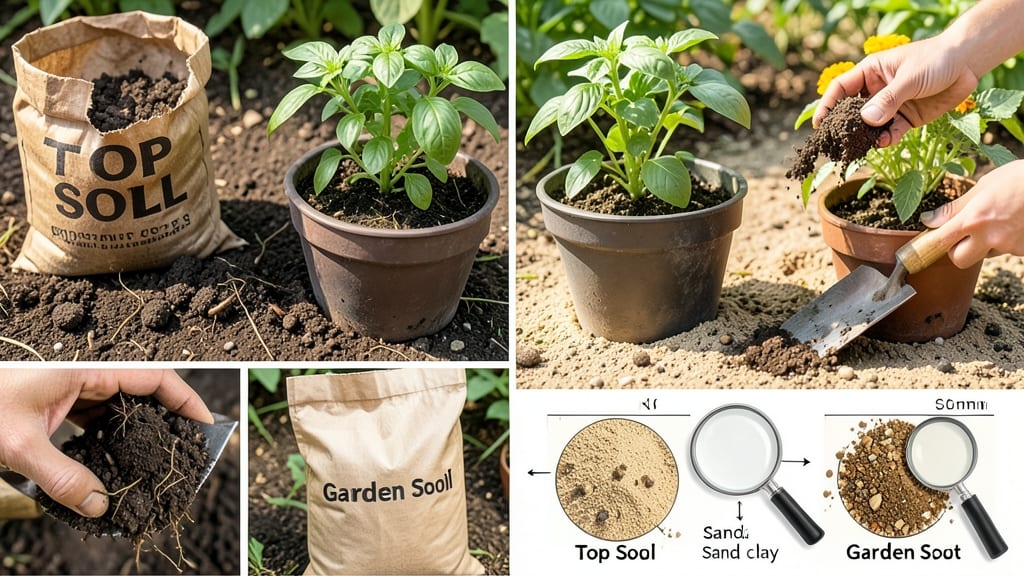
Top soil and garden soil are not the same: top soil is the nutrient-rich uppermost layer of earth, naturally packed with organic matter to support root growth, while garden soil is a customized blend that often includes compost, sand, or fertilizers tailored to specific planting needs.
Top soil is what you'd find naturally in your yard—the dark, crumbly layer where plants thrive on their own. It's packed with organic material like decomposed leaves and microbes that break down nutrients for roots.
Garden soil, on the other hand, is a human-made mix designed for particular plants, like adding sand for drainage or compost for heavy feeders. 🌱 The key difference? Top soil is nature's foundation, while garden soil is your customized growing medium.
Think of top soil as the canvas—rich and ready—but garden soil as your masterpiece, where you control the texture and nutrients. For example, vegetables often need the extra nutrients in garden soil, while perennials might do fine with top soil alone.
Testing your soil's pH and organic content can help you decide which to use—or even how to blend them for perfect growing conditions.
💡 In This Article
- Composition Differences Between Top Soil and Garden Soil
- Choosing the Right Soil for Your Garden Plants
Composition differences between top soil and garden soil
Top soil is nature's own nutrient-rich layer, typically found in the first 5-8 inches of earth. It contains 5-10% organic matter from decomposed plants and animals, along with essential minerals like nitrogen, phosphorus, and potassium.
The microbial ecosystem here is bustling with bacteria and fungi that break down organic material into plant-available nutrients. This natural composition supports robust root systems and healthy microbial activity, making it ideal for many garden applications.
Garden soil, however, is a human-engineered blend designed for specific needs. It often combines top soil with 20-40% compost, sand, or perlite to adjust texture and drainage. For example, a loamy texture (equal parts sand, silt, and clay) is ideal for most plants, while sandy soil drains too quickly.
The pH balance also differs—top soil typically ranges from 6.0 to 7.5, while garden soil can be adjusted to 5.5-7.0 depending on plant preferences, like acid-loving blueberries or alkaline-tolerant lavender.
One key difference is the nutrient density. Top soil provides a steady supply of nutrients over time, while garden soil delivers a more immediate boost thanks to added fertilizers or organic amendments.
For instance, a 10-gallon bag of garden soil might contain 5-10 lbs of compost, compared to the natural 1-2 lbs per cubic foot in top soil. This makes garden soil perfect for high-demand plants like tomatoes or peppers, which need extra nutrients to produce heavy yields.
The texture also varies significantly. Top soil often contains 20-30% clay, which holds moisture but can compact easily, while garden soil is often amended to improve aeration.
For example, adding 20% sand to clay-heavy top soil can transform it into a loamy texture that drains well but retains enough moisture for roots. This is why garden soil is often preferred for raised beds or container gardening, where drainage and aeration are critical.
Microbial activity is another critical factor. Top soil naturally contains 10,000 to 100,000 microbes per gram, including beneficial bacteria like Pseudomonas and Bacillus, which suppress plant diseases. Garden soil may have fewer native microbes unless inoculated with compost teas or mycorrhizal fungi.
However, the added organic matter in garden soil can accelerate microbial growth, creating a more active soil ecosystem in a shorter time frame.
Consider this comparison: top soil is like a well-stocked pantry—everything you need is there, but you might need to wait for it to break down. Garden soil is more like a pre-prepared meal—ready to eat and packed with extra nutrients for a quick boost. 🌱