
Tools
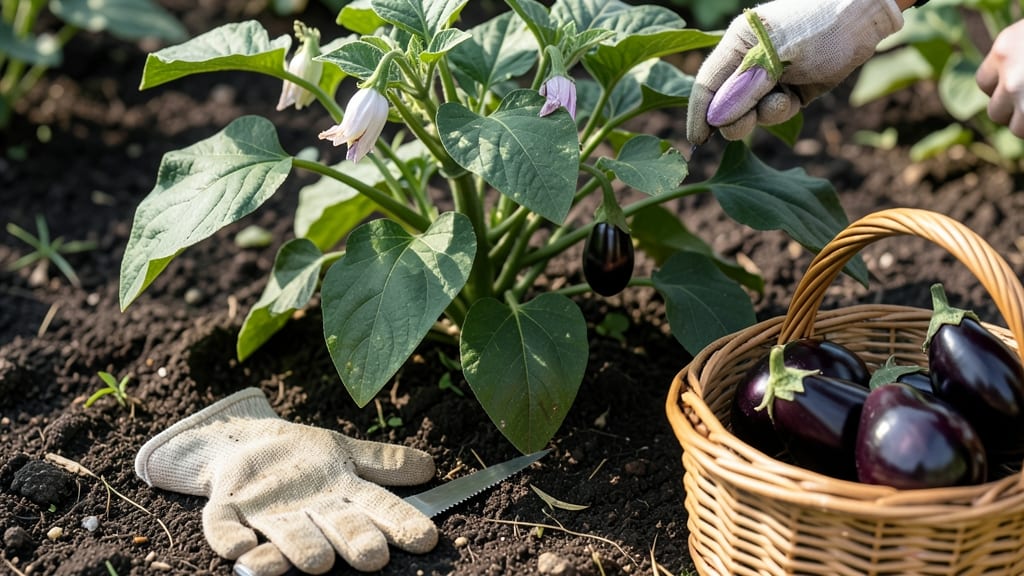
A garden egg is a tropical fruit from the Solanum family that looks like a small eggplant but delivers a sweeter, crunchier bite and milder taste. Botanically classified as Solanum melongena var. esculentum, it grows in warm climates and often gets mistaken for eggplants or tomatoes—but its unique flavor and texture set it apart in cooking.
A garden egg isn't just a confusing name—it's a plant with a fascinating dual identity. 🌱 While it belongs to the same botanical family as eggplants, its flesh stays firm and crisp even when cooked, making it a favorite in West African and Caribbean dishes.
The confusion with tomatoes stems from its glossy skin and round shape, but unlike tomatoes, it lacks the acidic tang and instead offers a subtle, earthy sweetness. This versatility lets it shine in everything from stews to grilled skewers, proving it's more than just a visual imposter.
What makes garden eggs particularly interesting is their adaptability in both savory and slightly sweet preparations. 💫 Unlike eggplants, which absorb flavors heavily, garden eggs hold their structure better, making them ideal for quick-cooking methods.
Many chefs appreciate them for their ability to balance rich sauces without becoming mushy—a trait that sets them apart in hearty meals.
💡 In This Article
- Botanical Classification and Key Traits of Garden Eggs
- How to Grow and Use Garden Eggs in Cooking
Botanical classification and key traits of garden eggs
The garden egg belongs to the Solanum genus, the same family as eggplants, tomatoes, and potatoes. Its botanical name, Solanum melongena var. esculentum, highlights its close relationship with eggplants (Solanum melongena) but distinguishes it as a distinct variety with unique traits.
Unlike eggplants, which are typically larger and have spongy flesh, garden eggs measure about 2-4 inches in diameter and maintain a firm, crisp texture even when cooked, thanks to their higher cellulose content.
Visually, garden eggs resemble small, glossy tomatoes or eggplants, with skin colors ranging from deep purple to white or yellow. Their skin is smoother and thinner than eggplants, with a slight waxy coating that helps retain moisture.
Inside, the flesh is pale green or white, with a crunchy bite similar to cucumber but with a milder, slightly sweet flavor—unlike tomatoes, which are acidic and juicy. This texture makes them ideal for dishes where you want structure, like stir-fries or skewers.
Nutritionally, garden eggs pack a different profile than their relatives. They contain about 20 calories per 100 grams, with higher fiber content (around 2.5 grams) compared to eggplants.
They also offer potassium and vitamin C, but their real standout feature is their lower water content—only about 88%—which means they don’t release as much liquid when cooked, preserving their shape and bite.
This makes them a favorite in West African and Caribbean cuisines, where they’re used in stews and soups without turning mushy.
What sets garden eggs apart botanically is their growth habit. They thrive in tropical climates, requiring warmth (70-90°F) and well-draining soil. Unlike tomatoes, which are indeterminate growers, garden eggs produce compact plants that yield fruit continuously over 6-8 months.
Their flowers are small and white, similar to eggplants, but their fruit develops much faster—often ready to harvest in just 60-70 days after planting.
One common misconception is that garden eggs are a type of tomato or eggplant. However, their genetic and culinary differences are clear: they lack the bitterness of eggplants and the acidity of tomatoes.
Their mild, slightly sweet flavor makes them a bridge between the two, offering a neutral base that absorbs flavors beautifully without overpowering them. This adaptability is why they’re prized in global cuisines, from Nigerian jollof rice to Caribbean pepperpot stews.
For gardeners, the key to growing garden eggs lies in understanding their specific needs. They prefer full sun (6-8 hours daily) and sandy, slightly acidic soil (pH 5.5-6.5). Overwatering can lead to blossom-end rot, so consistent moisture without waterlogging is crucial.
Their compact size also makes them perfect for container gardening, allowing urban growers to cultivate them easily.