
Tools
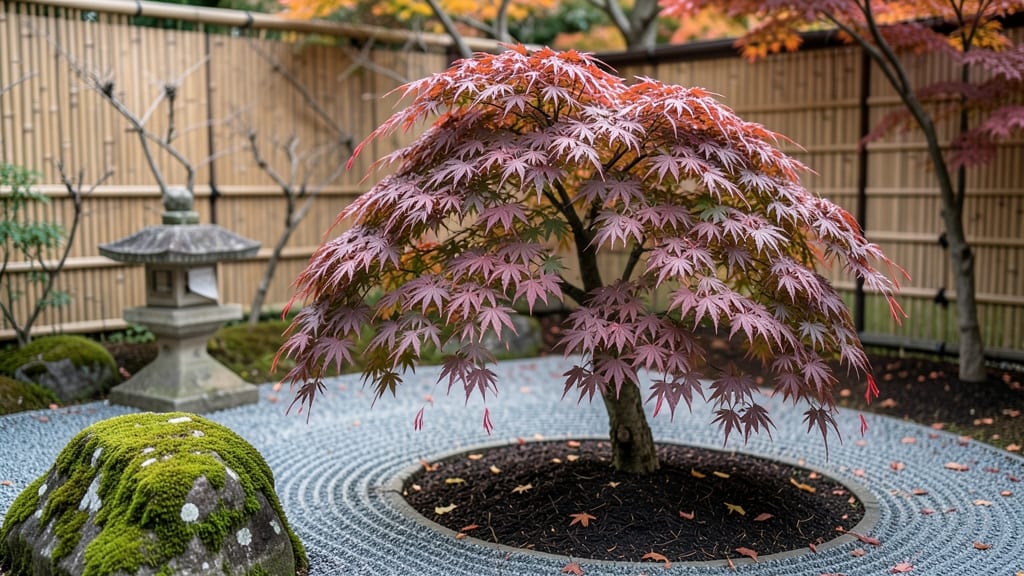
The James Irvine Japanese Garden masterfully combines classic Japanese garden design with California's native botanical elements, creating a serene space featuring meticulously maintained bonsai trees, tranquil koi ponds, and breathtaking seasonal blooms like cherry blossoms. Its thoughtful design incorporates hidden features such as moon-viewing bridges, intricately layered stone pathways, and water features that respond to natural light cycles for perfect harmony.
The garden's design philosophy centers on wabi-sabi—the beauty of imperfection—and ma, the intentional space between elements. 🌿 These principles create a sense of calm and reflection that's immediately noticeable.
For visitors, the best times to experience this are during the early morning or late afternoon when the light enhances the garden's natural beauty and crowds are minimal. The tea house offers a perfect spot to pause and appreciate the meticulous craftsmanship that went into every aspect of the landscape.
What truly sets this garden apart is how it integrates California's native plants with traditional Japanese species, creating a unique fusion that feels both familiar and exotic. The koi ponds, for example, aren't just decorative—they're carefully designed to reflect the surrounding landscape, a technique known as chisen-kaiyu.
This thoughtful approach to water features enhances the overall sense of tranquility and connection to nature that the garden was designed to provide.
💡 In This Article
- How Japanese Garden Design Principles Shape Irvine’s Landscape
- Best Times and Tips for Visiting Irvine’s Japanese Garden
How Japanese garden design principles shape Irvine’s landscape
The James Irvine Japanese Garden embodies the essence of wabi-sabi, a philosophy that celebrates imperfection and transience. This principle is visible in the garden's weathered stones and slightly irregular plant placements, which create a natural, unforced beauty.
Unlike perfectly manicured Western gardens, the Irvine garden embraces the passage of time—see how the moss-covered rocks and gently aged wooden bridges reflect this concept. The ma principle (negative space) is equally important, with carefully measured gaps between elements that allow visitors to pause and reflect.
Water plays a central role through chisen-kaiyu, or water-viewing, where ponds are positioned to frame distant landscapes. The garden's koi ponds, for instance, are designed to mirror the surrounding hills and sky, creating a sense of boundless space.
The 12-foot-wide central pond features a moon-viewing bridge that aligns with celestial events, allowing visitors to experience the garden's connection to lunar cycles. This technique isn't just decorative—it's a deliberate invitation to observe nature's rhythms.
The garden's plant selection demonstrates shakkei (borrowed scenery), where elements beyond the garden's walls become part of the experience. Native California plants like toyons and coyote brush are strategically placed alongside traditional Japanese species to create visual continuity.
The 30-foot-tall cherry trees aren't just for beauty—they frame seasonal views that change dramatically with the light. This fusion of East and West creates a landscape that feels both familiar and exotic.
Every element serves a symbolic purpose in creating fūkeisei (harmony with nature). The carefully placed stepping stones guide visitors along paths that encourage contemplation, while the 18-inch-high stone lanterns mark transitions between spaces.
The tea house, positioned to catch morning sunlight, demonstrates how architecture and landscape work together. Even the garden's 1.5-acre size is intentionally modest, preventing it from overwhelming visitors with scale.
What makes this garden particularly remarkable is how it adapts traditional Japanese techniques to California's climate. The drought-resistant plantings and shade-loving species were chosen not just for aesthetics but for sustainability.
The water features use recirculating systems that maintain the ponds without waste, while the stone pathways are designed to handle Southern California's 100°F+ summers without cracking. This thoughtful adaptation ensures the garden remains true to its principles while thriving in its environment.
The result is a space where every detail—from the hand-carved wooden bridges to the meticulously pruned bonsai—contributes to a sense of tranquility. Visitors often report feeling their stress melt away after just 20 minutes of walking the paths, a testament to how well the design principles work together.
The garden's genius lies in its ability to make these complex concepts feel effortlessly natural.