
Advice
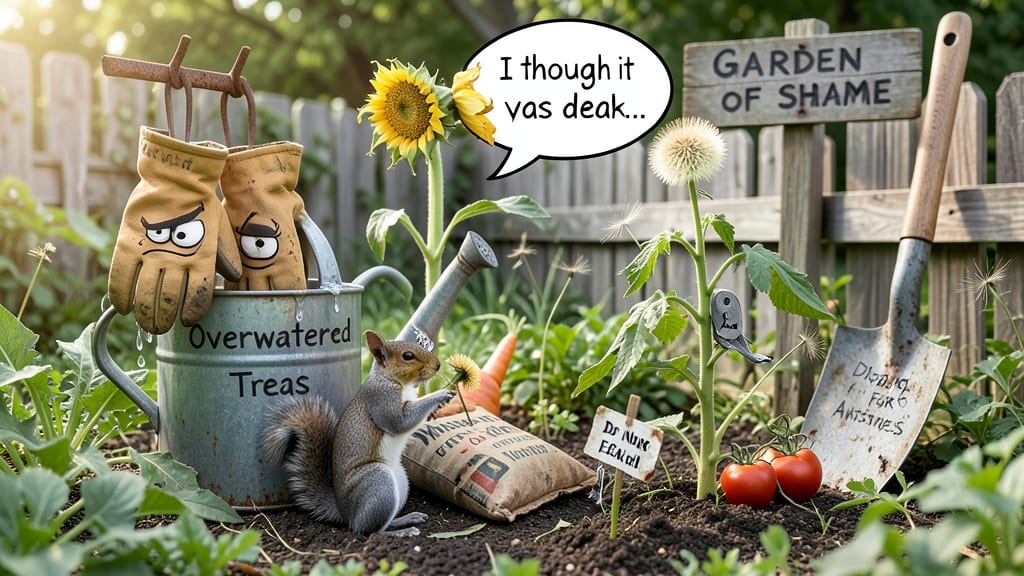
Jokes about gardeners thrive on clever wordplay and shared gardening experiences, turning everyday struggles into laughs like 'What do you call fake spaghetti? An impasta!' These playful one-liners highlight the quirks of dirt, weeds, and seasonal gardening mishaps.
Gardening humor taps into that universal love-hate relationship we all have with our green spaces. 🌱 Whether it's the frustration of weeds taking over or the joy of watching seedlings sprout, these jokes make perfect sense to anyone who's ever wrestled with a stubborn trowel or overwatered a plant.
I've found that the best gardener jokes often play on double meanings—like calling a messy garden 'well-composted'—because they speak directly to the daily realities of growing things.
What makes these jokes so relatable is how they blend self-deprecation with pride. We all know that gardening isn't always pretty, and acknowledging that with humor makes the whole experience feel more human. Plus, there's something magical about turning 'dirt' into a punchline—it's like giving your soil a personality.
The more specific the joke is to gardening (think 'Why did the tomato blush? It saw the salad dressing!'), the harder it is not to laugh.
These jokes also work beautifully as conversation starters at plant swaps or community gardens. They break the ice while celebrating that messy, rewarding process of making things grow.
The key is keeping it light—whether you're joking about your own gardening fails or sharing someone else's clever twist on weeds and blooms.
💡 In This Article
- Why Gardener Jokes Work: The Science of Plant Puns
- 10 Best Gardener Jokes to Share at Plant Swaps
Why gardener jokes work: the science of plant puns
The psychology behind gardening humor lies in its ability to tap into shared experiences and botanical wordplay. Gardeners often face similar struggles—whether it's battling weeds, dealing with unpredictable weather, or celebrating unexpected plant successes. These jokes work because they transform everyday gardening frustrations into relatable, humorous moments.
For example, puns about "dirt" or "weeds" resonate because they're universal terms that every gardener encounters daily. The humor becomes a bonding experience, creating a sense of community among plant enthusiasts.
Most gardener jokes follow predictable yet effective structures. The most common involves wordplay with botanical terms, like turning "seed" into "ceiling" or "soil" into "sail." These puns rely on the double meanings inherent in gardening vocabulary, which often overlaps with everyday language.
Another popular structure is the setup-and-punchline format, where the joke starts with a gardening scenario and ends with an unexpected twist. For instance, "Why did the scarecrow win an award? Because he was outstanding in his field!"
This format works because it plays on the gardener's expertise and the visual imagery of their work. 🌱
The appeal of self-deprecating humor in gardening jokes stems from the reality that gardening isn't always perfect. Many gardeners have experienced failed plants, overwatered seedlings, or unexpected pest invasions.
Jokes that acknowledge these struggles—like "I tried to grow a garden last year, but I just ended up with weeds and regrets"—create a shared sense of humor about the imperfect nature of gardening.
This type of humor also helps gardeners laugh at themselves, reducing the stress that often comes with gardening challenges.
Research in psychology suggests that humor works best when it connects to personal experiences and emotions. Gardening humor achieves this by blending nostalgia (remembering past gardening successes) with the frustrations of the present.
The wordplay in these jokes also engages the brain's natural inclination to seek patterns and connections, making the humor both satisfying and memorable. For example, jokes about "dirt" playing on its multiple meanings—like "I told my wife she was drawing her eyebrows too high. She looked surprised!"—exploit this cognitive engagement.
Another reason gardener jokes resonate so well is their adaptability. They can be tailored to specific situations, whether it's a lighthearted moment at a plant swap or a way to cope with gardening setbacks.
The humor often includes sensory details—like the texture of soil or the aroma of fresh herbs—that make the jokes feel more vivid and real.
For instance, a joke about "compost tea" might play on the idea of something being "too rich for its own good," which gardeners instantly recognize as a common gardening dilemma. This sensory connection enhances the humor's impact.
Consider how these jokes often play on the cyclical nature of gardening—seasons changing, plants growing and dying, and the constant cycle of planting and harvesting. This cyclical theme is woven into many gardener jokes, reinforcing the idea that gardening is both a science and an art.
For example, "Why don't skeletons fight each other? They don't have the guts!" might seem unrelated, but it plays on the idea of "guts" in gardening—referring to the courage it takes to keep trying despite failures. This layered meaning is what makes gardener jokes so rich and engaging. 💫