
Tools
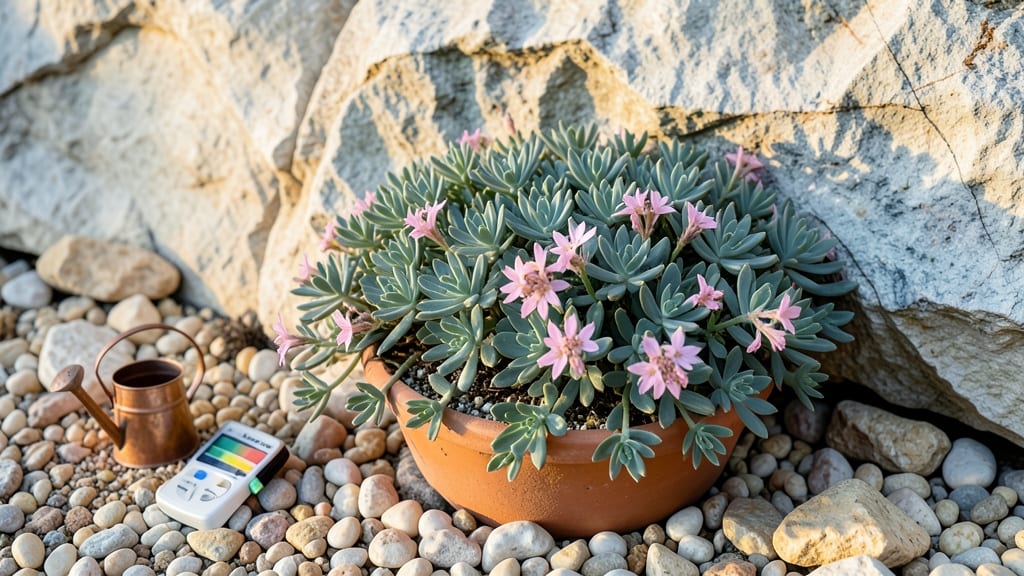
Incorporating limestone in the garden is an effective way to adjust soil pH naturally, helping acid-loving plants like azaleas, hydrangeas, and tomatoes thrive. Use crushed or powdered forms based on soil test results for precise application.
Limestone works by releasing calcium and magnesium ions that react with acidic compounds in the soil, gradually raising pH levels over time. 🌱 This process not only improves nutrient availability for plants but also enhances soil structure, making it easier for roots to penetrate.
For best results, I recommend testing your soil every 2-3 years to maintain the ideal pH range of 6.0-7.0 for most garden plants.
When applying limestone, crushed forms work faster but may require more frequent reapplication, while powdered limestone blends more evenly into the soil. Always spread it evenly and lightly water the area afterward to activate the pH adjustment process.
The key is patience—changes in soil pH take time, so don't expect immediate results.
💡 In This Article
- How Limestone Affects Soil Chemistry and Plant Health
- Step-by-Step Guide to Applying Garden Limestone
How limestone affects soil chemistry and plant health
Limestone—primarily composed of calcium carbonate (CaCO₃)—works by chemically neutralizing acidic compounds in the soil, primarily hydrogen ions (H⁺) and aluminum ions (Al³⁺). When you add limestone, it undergoes a slow dissolution process that releases calcium and carbonate ions.
These ions react with acidic soil components through a process called neutralization, forming water and carbon dioxide while reducing soil acidity. For example, in a soil with pH 5.0 (moderately acidic), adding limestone can raise the pH to 6.0-6.5 over 3-6 months, depending on soil type and climate.
The chemical reaction isn't instantaneous—it's a gradual process influenced by soil moisture, temperature, and organic matter.
In sandy soils, limestone dissolves faster due to better drainage, while clay soils may require more time for the reaction to complete. 🌿 The released calcium also improves soil structure by binding clay particles together, creating larger aggregates that enhance aeration and water retention.
This structural improvement is particularly beneficial for compacted soils, where roots struggle to penetrate. Magnesium in dolomitic limestone (a blended form) further supports plant health by preventing deficiencies in this essential nutrient.
One of the most critical benefits is how limestone impacts nutrient availability. Acidic soils often bind essential nutrients like phosphorus and potassium, making them inaccessible to plants. By raising the pH, limestone helps release these nutrients into the soil solution, where plant roots can absorb them efficiently.
For instance, hydrangeas—known for their pH-dependent flower colors—require a soil pH of 5.5-6.0 for blue blooms. Adding limestone to acidic soil can shift the pH upward, potentially turning blue hydrangeas pink or purple if not monitored carefully.
However, over-liming can create its own set of problems. Excessive limestone raises soil pH beyond 7.0, which can lead to micronutrient deficiencies like iron, manganese, and zinc. These nutrients become less available at higher pH levels, causing yellowing leaves (chlorosis) in plants.
That's why soil testing is crucial—it helps determine the exact amount of limestone needed to reach the optimal pH range for your specific plants without causing imbalances.
Another often-overlooked benefit is limestone's role in buffering soil pH. Once applied, limestone doesn't just raise pH temporarily—it creates a reserve that helps maintain stable pH levels over time, even as organic matter decomposes and releases acids.
This buffering capacity is especially valuable in organic gardening, where maintaining consistent soil conditions is essential for long-term plant health. For example, composting adds organic acids that naturally lower pH, but limestone helps counteract these fluctuations.
For visual gardeners, the changes might not be immediately obvious, but the effects on plant growth are profound. Acid-loving plants like blueberries and rhododendrons show visible improvements in leaf color and vigor within a growing season after proper limestone application.
Meanwhile, vegetables like tomatoes and peppers—which prefer slightly acidic to neutral soils—thrive with better nutrient uptake and stronger root development. The key is balance: too little limestone leaves soil too acidic, while too much creates an environment where essential nutrients become scarce.