
Tools
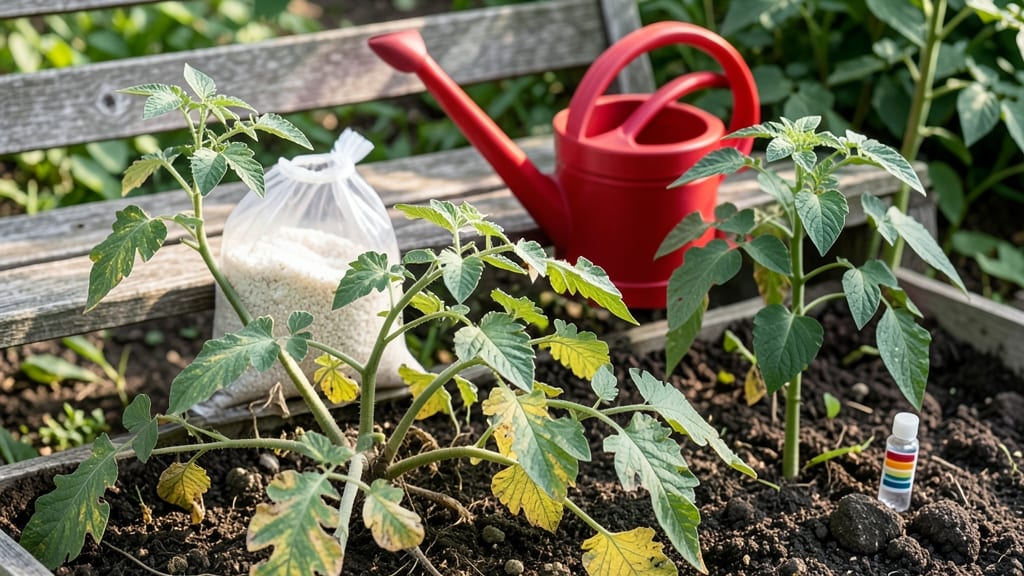
Using magnesium for garden soil prevents yellowing leaves (chlorosis) and enhances plant vitality by supporting chlorophyll production. Try Epsom salt (magnesium sulfate) as a foliar spray or soil additive, or use dolomitic lime for long-term magnesium enrichment in acidic soils.
Magnesium acts as the central atom in chlorophyll, the pigment that gives plants their green color and powers photosynthesis.
When your garden plants develop yellow patches between veins—especially on older leaves—it’s often a sign of magnesium deficiency. 🌱 This nutrient is particularly crucial for heavy feeders like tomatoes, peppers, and citrus trees, which demand more magnesium as they grow.
Unlike other deficiencies (like nitrogen or potassium), magnesium issues typically start in the lower leaves first, spreading upward if untreated.
For quick results, I recommend mixing 1 tablespoon of Epsom salt per gallon of water for a foliar spray—just apply it to the leaves in the early morning or evening to avoid leaf burn.
For soil amendments, spread 20 pounds of dolomitic lime per 100 square feet and work it into the top 6 inches of soil during spring or fall. Organic options like wood ash or composted manure also provide magnesium over time, though they’re slower-acting.
The key is consistency—plants absorb magnesium best when soil pH is between 6.0 and 7.0, so test your soil first!
💡 In This Article
- How Magnesium Deficiency Affects Plant Growth
- Best Magnesium Soil Amendments and Application Methods
How magnesium deficiency affects plant growth
Magnesium sits at the core of chlorophyll molecules, acting as the "glue" that holds the pigment together during photosynthesis. Without enough magnesium, plants can't produce chlorophyll efficiently, leading to the classic symptom of interveinal chlorosis—where leaves turn yellow between the green veins while the veins themselves stay green.
This happens because magnesium is mobile within the plant, so symptoms first appear in older leaves, which the plant "recycles" nutrients from when younger leaves need them more.
The deficiency often mimics nitrogen shortages, but there's a key difference: nitrogen deficiencies cause overall yellowing (not just between veins), and they start in younger leaves first. 🌿 Magnesium deficiency also weakens cell walls, leading to stunted growth, poor flower development, and even premature leaf drop.
Heavy-feeding plants like tomatoes, peppers, and citrus trees are especially vulnerable because they require more magnesium as they grow—tomatoes, for instance, need about 0.2-0.5 pounds of magnesium per 100 pounds of dry matter produced. Even slight deficiencies can reduce yields by up to 20% in these crops.
What makes magnesium unique is its role in over 300 enzymatic reactions in plants, including those that regulate phosphorus and nitrogen uptake. When magnesium levels drop, these processes slow down, creating a domino effect that stunts growth and weakens the plant's immune system.
You'll often see magnesium deficiency in sandy or acidic soils (pH below 6.0) because magnesium binds poorly to these soil types and leaches away quickly. 🌱 Unlike potassium or calcium, magnesium isn't easily replaced by other nutrients, so addressing the deficiency directly is critical.
One way to spot magnesium deficiency early is to look for purplish undersides on leaves—a sign the plant is struggling to produce enough chlorophyll. In severe cases, you might also notice weak stems or small, curled leaves. The good news?
Magnesium is highly mobile in plants, so once you correct the deficiency, new growth will quickly show improvement. For example, a 1% increase in magnesium levels can boost photosynthesis rates by up to 15%, leading to greener, more vigorous plants within weeks.
Certain plants are more sensitive to magnesium deficiency due to their high metabolic demands. Citrus trees, for instance, require consistent magnesium levels to produce fruit—deficiencies can lead to smaller, misshapen fruits with poor flavor.
Similarly, peppers and tomatoes may develop blossom-end rot (a calcium-related issue) when magnesium is low, as the plant struggles to transport other nutrients efficiently. 🍅 This is why gardeners often see magnesium and calcium deficiencies appearing together in heavy feeders.
To confirm a magnesium deficiency, conduct a soil test or look for these visual clues: yellowing between veins on older leaves, weak stems, and poor flowering. Unlike nitrogen deficiencies, which cause uniform yellowing, magnesium issues leave the veins green—a key diagnostic feature.
Once identified, correcting the deficiency is straightforward, but acting early prevents long-term damage to your plants.