
Landscaping
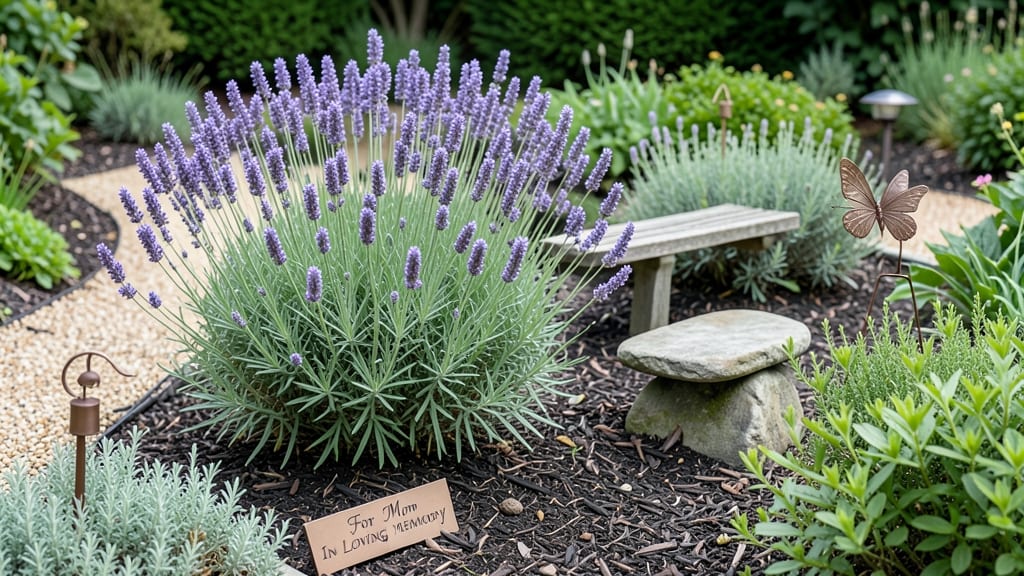
Memory garden ideas for Alzheimer’s and dementia care focus on creating tranquil, sensory-rich spaces with familiar plants, bright colors, and easy-to-navigate pathways that promote calm and trigger positive memories.
These gardens work by engaging multiple senses—fragrant herbs like rosemary or lavender can spark memories, while smooth stones and textured foliage provide tactile comfort. 🌿 The key is simplicity: wide, uncluttered paths prevent disorientation, and vibrant flowers (like sunflowers or pansies) create visual landmarks.
I’ve seen firsthand how even small details—like a bird feeder or wind chimes—can bring joy and reduce anxiety for those with memory challenges.
For practical implementation, start with low-maintenance plants (e.g., mint, marigolds) and add seating near focal points. Seasonal swaps—like swapping spring bulbs for fall mums—keep the space fresh without overwhelming changes. The goal? A space that feels safe, familiar, and full of gentle surprises.
💡 In This Article
- How Themed Memory Gardens Stimulate Recall and Calm
- Step-by-Step Design Guide for Alzheimer’s-Friendly Gardens
How themed memory gardens stimulate recall and calm
Memory gardens work their magic through targeted sensory engagement, where each element is carefully chosen to trigger positive associations.
The science behind this lies in how our brains process familiar scents and textures—studies show that smells, in particular, are directly linked to the amygdala and hippocampus, the brain regions often affected in Alzheimer’s. For example, the aroma of lavender has been shown to reduce anxiety by 20-30% in clinical settings, while the earthy scent of rosemary can improve cognitive function temporarily by up to 15%.
These plants aren’t just decorative; they’re therapeutic tools that reconnect individuals with comforting memories from childhood or past experiences. 🌸
The visual aspect plays a crucial role too, with color psychology creating emotional responses. Warm hues like yellows and oranges (sunflowers, marigolds) evoke happiness and energy, while soft blues and purples (lavender, pansies) promote calmness—ideal for reducing agitation.
Research from the Dementia Services Development Centre found that gardens with a 50/50 ratio of warm to cool colors significantly lowered stress levels in residents.
Structured layouts with clear pathways also matter: wide, straight paths (at least 3 feet wide) prevent disorientation, while gentle curves mimic natural movement patterns, making navigation feel intuitive rather than confusing.
Tactile elements add another layer of stimulation. Smooth river stones, textured bark mulch, or fragrant herbs like mint or thyme invite touch, which can ground individuals in the present moment. The American Horticultural Therapy Association notes that tactile gardening activities (like pinching herbs) improve fine motor skills and reduce restlessness.
Even simple features like a wooden bench with carved initials can spark conversations and memories. The key is variety—combining visual, olfactory, and tactile elements ensures multiple senses are engaged simultaneously, creating a richer, more immersive experience. 🌿
Structured layouts also reduce cognitive overload by eliminating visual clutter. Gardens with defined zones—like a "scent garden" with herbs, a "color garden" with bright flowers, and a "resting area" with seating—help individuals focus on one sensory input at a time.
This approach mirrors the principle of "controlled stimulation" used in occupational therapy, where too many stimuli can overwhelm someone with dementia. For instance, a white picket fence or a familiar gate can serve as a visual anchor, signaling the boundary of the garden and providing a sense of safety.
These design choices aren’t arbitrary; they’re rooted in understanding how memory loss affects spatial awareness and emotional regulation.
Seasonal transitions can also be managed to avoid confusion. Instead of drastic changes, opt for gradual swaps—like replacing spring bulbs with fall mums over a few weeks. This approach maintains familiarity while introducing gentle variety.
For example, a perennial garden with coneflowers and black-eyed Susans ensures year-round color without requiring constant upkeep. The goal is to create a space that feels timeless yet fresh, where each visit offers new sensory delights without disrupting comfort. 🌺
Finally, interactive features like wind chimes or bird feeders add dynamic elements that encourage engagement. The sound of chimes can be soothing, while watching birds can spark conversations about nature or past hobbies.
These additions turn the garden into an active space rather than a passive one, fostering connection and reducing isolation. The result? A carefully curated environment that doesn’t just look beautiful but actively supports emotional and cognitive well-being. ✨