
Vegetables
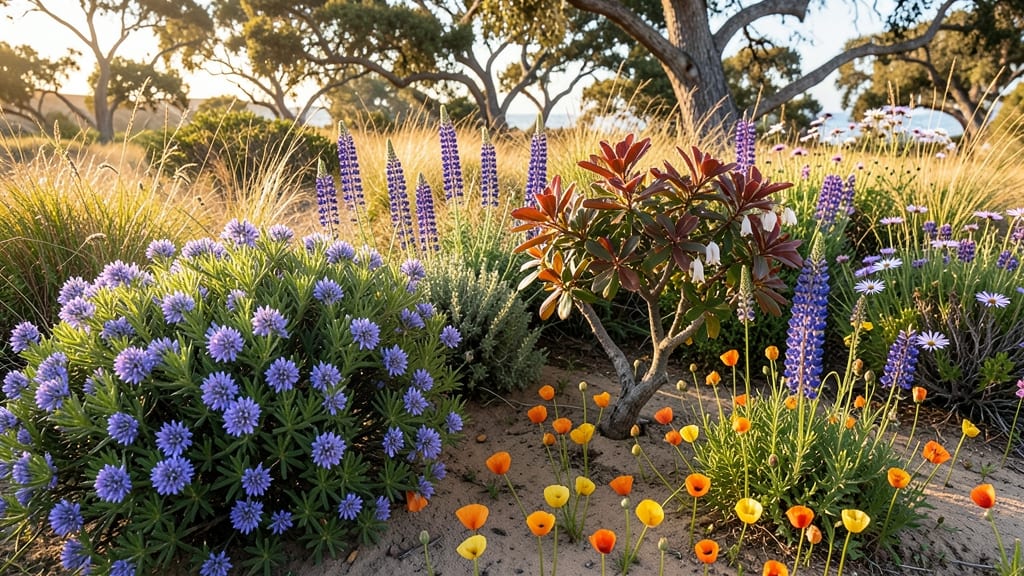
The Mendocino CA Botanical Gardens showcase stunning native plant collections, rare orchids, and themed gardens like the Coastal Sage Scrub and Woodland Trail, with vibrant seasonal displays that peak in spring and fall. Visitors enjoy free admission, though donations help preserve these delicate ecosystems.
The Mendocino CA Botanical Gardens stand out as a sanctuary for California's native flora, where you can explore ecosystems like coastal sage scrub and redwood understory. 🌿 These gardens aren't just beautiful—they play a crucial role in conserving endangered species and educating visitors about local plant life.
The free entry policy makes it accessible, while guided tours often reveal hidden details about each plant's ecological importance.
What truly sets this location apart is its seasonal transformation. Spring brings wildflower meadows, while fall showcases fiery foliage and rare orchids in their full glory. The Fern Canyon Loop trail, for example, offers a serene escape with lush vegetation, perfect for both nature lovers and photographers seeking dramatic compositions.
💡 In This Article
- Native Plants and Ecosystems at Mendocino Botanical Gardens
- Best Times to Visit for Seasonal Blooms and Hidden Trails
Native plants and ecosystems at Mendocino botanical gardens
The Mendocino Botanical Gardens serve as a living laboratory showcasing California’s unique ecosystems. The Coastal Sage Scrub section, for instance, features drought-resistant plants like coyote brush (Baccharis pilularis) and California buckwheat (Eriogonum fasciculatum), which thrive in the Mediterranean climate with its dry summers and wet winters.
These plants play a critical role in stabilizing soil and providing habitat for pollinators like the endangered Mission blue butterfly (Plebejus icarioides missionensis), whose larvae depend on native lupines.
In the Woodland Trail, towering Douglas firs (Pseudotsuga menziesii) create a cathedral-like canopy, while the understory bursts with ferns, trilliums, and rare orchids like the Mendocino wood lily (Lilium rubescens).
This ecosystem mirrors the natural redwood forest understory, where moisture levels stay consistently high year-round due to the fog drip phenomenon—coastal fog condenses on leaves, slowly releasing water to nourish plants. The gardens replicate these conditions using drip irrigation systems that mimic nature’s precision.
One standout feature is the orchid collection, which includes species like the California lady’s slipper (Cypripedium californicum), a federally threatened orchid found only in a few coastal regions. These plants require specific mycorrhizal fungi to germinate, a relationship the gardens replicate through carefully managed soil mixes.
Visitors often marvel at how these delicate blooms thrive in conditions that mimic their native habitats, from partial shade to acidic, well-draining soil. 🌸
The gardens also highlight invasive species threats, such as French broom (Genista monspessulana), which outcompetes native plants for sunlight and water. Conservation efforts include manual removal programs and educational signs explaining how invasive species disrupt local food webs.
For example, French broom’s dense growth blocks sunlight from reaching native wildflowers, reducing food sources for butterflies and bees.
Climate plays a pivotal role in seasonal transformations. Spring brings wildflower meadows like lupines (Lupinus spp.) and California poppies (Eschscholzia californica), which bloom in response to winter rains and cooler temperatures.
In contrast, fall foliage—such as the fiery hues of toyon (Heteromeles arbutifolia) berries—results from reduced daylight triggering chlorophyll breakdown. The gardens’ microclimates create these variations, allowing visitors to witness ecological processes firsthand.
For those curious about plant interactions, the pollinator garden demonstrates how native bees and butterflies co-evolved with local flora. For instance, the hummingbird sage (Salvia spathacea) attracts hummingbirds with its tubular flowers, while the California fuchsia (Epilobium canum) provides nectar for moths.
These relationships underscore why preserving native ecosystems isn’t just about beauty—it’s about maintaining functional biodiversity. 🌿