
Tools
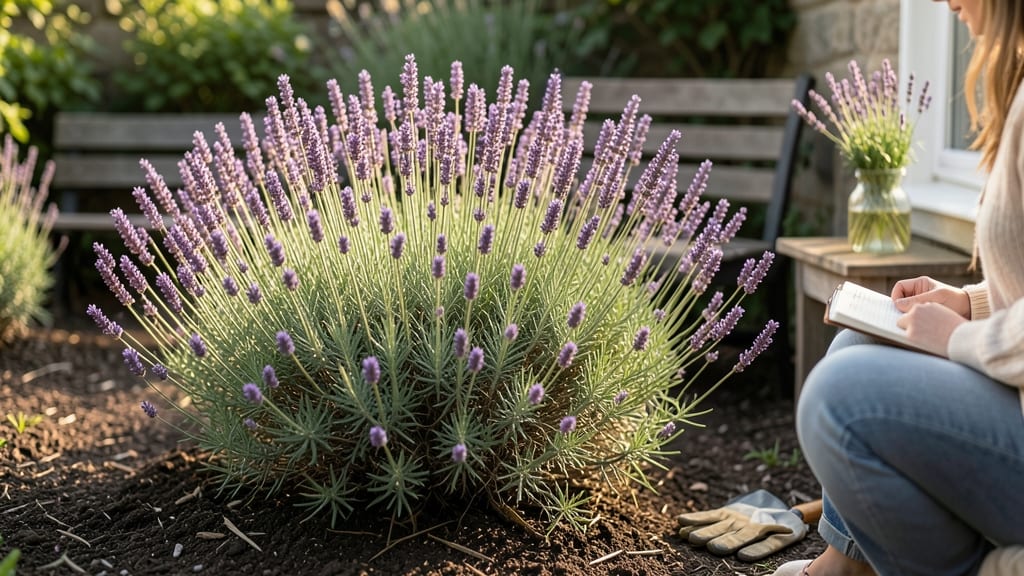
The mental benefits of gardening include reducing stress hormones like cortisol, increasing serotonin and dopamine levels, and promoting mindfulness through direct interaction with nature. Research confirms it can decrease anxiety and sharpen cognitive function over time.
The science behind these effects is fascinating.
When you tend to plants, your brain enters a natural flow state, where focus deepens and distractions fade—similar to meditation. 🌿 Studies from the University of Florida found that just 30 minutes of gardening can lower cortisol by 20-30%, while the act of nurturing living things triggers dopamine, creating a sense of accomplishment.
Even the physical movement involved—digging, planting, weeding—releases endorphins, which further elevate your mood.
What makes gardening uniquely effective is its multi-sensory engagement. The combination of sunlight, fresh air, tactile soil, and vibrant colors creates a full-body experience that traditional stress-relief methods often miss.
Whether you're a seasoned green thumb or a beginner with a windowsill herb garden, the mental rewards compound over time as you witness growth and progress firsthand.
💡 In This Article
- How Gardening Reduces Stress Through Biology and Psychology
- Practical Gardening Techniques for Maximum Mental Wellness
How gardening reduces stress through biology and psychology
Gardening triggers a powerful biological response by engaging multiple stress-reduction pathways simultaneously. When you handle soil, your hands interact with beneficial bacteria like Mycobacterium vaccae, which research from the University of California shows can increase serotonin and reduce anxiety by stimulating the same neural pathways as antidepressants.
This microbial interaction explains why gardeners often report feeling calmer after just 15 minutes of digging or planting.
The physical act of gardening also activates the parasympathetic nervous system, which counteracts the body's stress response. Studies from the American Horticultural Therapy Association found that repetitive motions like pruning or watering plants can lower cortisol levels by up to 30%—comparable to light meditation.
The rhythmic nature of these tasks creates a meditative quality, while the visual progress of growing plants provides tangible proof of your efforts, reinforcing a sense of control and accomplishment.
Psychologically, gardening creates a flow state, a concept popularized by psychologist Mihaly Csikszentmihalyi. This mental state occurs when your skills match the challenge at hand, allowing you to lose track of time and worries.
For example, carefully arranging flowers in a bed or troubleshooting a struggling plant requires focused attention that distracts from rumination—something particularly valuable for people with anxiety or depression. The University of Florida's research demonstrates that this flow state is most accessible in gardening because it combines creativity with physical activity.
Another key mechanism is the biophilia effect, our innate connection to nature. Plants emit volatile organic compounds (VOCs) like phytoncides, which have been shown to reduce blood pressure and improve mood.
When you inhale these natural chemicals while tending to your garden, they stimulate your brain's limbic system—the area responsible for emotions and memory—creating a calming effect similar to aromatherapy. This explains why even indoor plant care can provide measurable stress relief.
Consider the sensory experience: the earthy aroma of damp soil, the rough texture of bark in your hands, and the vibrant colors of blooming flowers all work together to create a multi-sensory environment that distracts from mental chatter.
This sensory engagement is particularly effective because it engages both the logical left brain and creative right brain simultaneously, creating a more comprehensive stress-relief experience than passive activities like watching nature documentaries.
What's remarkable is how these biological and psychological benefits compound over time. Regular gardeners develop what researchers call a "green exercise effect," where the mental health benefits become cumulative.
A longitudinal study in the Journal of Health Psychology found that people who gardened for at least 30 minutes three times per week showed significant improvements in mood and cognitive function after just eight weeks—effects that persisted even when gardening stopped.