
Orchid Care
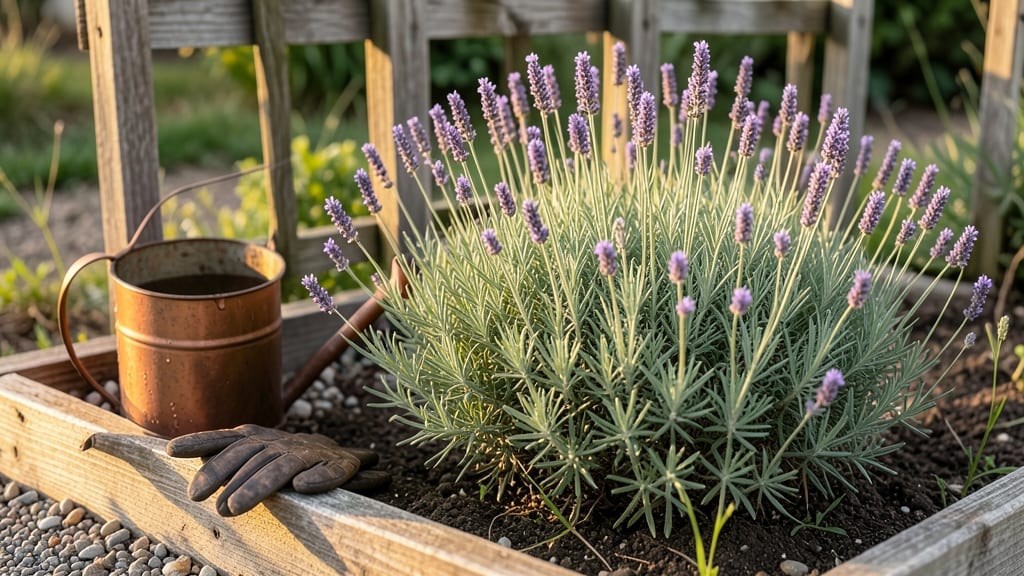
Old Man Gardener orchids thrive with bright indirect light, moderate humidity, and a well-draining orchid mix. Water them weekly, avoid overwatering, and fertilize monthly during active growth to maintain vibrant blooms and healthy foliage.
The Old Man Gardener orchid, known for its striking, velvety blooms, mimics tropical conditions in its native habitat. 🌿 These plants love bright, filtered light—think east-facing windows or a few feet from a south-facing window—to prevent sunburn while encouraging robust growth.
Humidity levels between 40% and 70% help replicate their natural environment, and a chunky orchid mix ensures roots stay aerated and dry between waterings.
I’ve found that consistency is key: overwatering or letting the mix dry out completely can stress the plant, leading to issues like yellow leaves or root rot.
For beginners, sticking to a simple routine makes all the difference. Start by watering thoroughly once a week, then let excess water drain completely to avoid soggy roots. Prune spent blooms to redirect energy into new growth, and repot every 2-3 years or when the mix breaks down.
If you notice brown tips or slow growth, it might be time to adjust your care routine—perhaps increasing humidity or moving the plant to a brighter spot.
💡 In This Article
- Understanding Old Man Gardener Orchid Growth Conditions
- Step-by-Step Orchid Care Routine for Beginners
Understanding Old Man Gardener orchid growth conditions
The Old Man Gardener orchid, scientifically known as Miltoniopsis, originates from the cloud forests of South America where it thrives under dappled sunlight and high humidity. This species mimics its native environment by requiring bright indirect light—similar to what you’d find under a canopy of trees.
Direct sunlight can scorch its delicate leaves, turning them yellow or brown, while too little light results in weak stems and sparse blooms. 🌿 Think of it like positioning your plant near an east-facing window or about 3-5 feet from a south-facing window, where it gets morning sun and afternoon shade.
Temperature plays a crucial role in their growth cycle. These orchids prefer daytime temperatures between 65-80°F and a 10-15°F drop at night, mimicking their high-altitude habitat. Without this temperature fluctuation, the plant may struggle to bloom.
Humidity is equally critical—keeping levels between 40-70% prevents the leaves from drying out or developing brown tips. A simple way to achieve this is by placing the pot on a tray filled with pebbles and water, ensuring the pot isn’t sitting directly in water to avoid root rot.
Root health is the foundation of a thriving Old Man Gardener. Unlike many houseplants, orchids need a well-aerated, chunky mix that mimics bark and allows roots to breathe. A typical mix includes 30% bark, 30% sphagnum moss, and 40% perlite or charcoal.
This combination prevents waterlogging while retaining just enough moisture. Over time, the mix breaks down, so repotting every 2-3 years keeps the roots healthy and encourages new growth. 💫 The roots themselves should be silvery-green when healthy—if they turn black or mushy, it’s a sign of overwatering or poor drainage.
One common indoor challenge is balancing light and humidity without overwatering. Many growers make the mistake of watering on a strict schedule, but these orchids are better off when watered only when the top 1-2 inches of mix feel dry.
This method prevents root rot while ensuring the plant gets enough hydration. Another trick is to use room-temperature water—cold water can shock the roots, while tap water with high chlorine content should be left out overnight to dissipate chemicals before use.
For those living in dry climates, increasing humidity around the plant can make a world of difference. Grouping orchids together or using a humidifier near them creates a microclimate that mimics their natural environment. You’ll notice the difference in just a few weeks—healthier leaves, stronger stems, and more frequent blooming.
The key is consistency: sudden changes in light, temperature, or humidity can stress the plant, leading to dropped buds or stunted growth.
Finally, understanding the orchid’s growth cycle helps tailor care. These plants typically bloom in spring or summer, and during this time, they’re more sensitive to changes. After blooming, they enter a resting phase where watering should be reduced slightly, and fertilization can be paused until new growth appears.
This cycle is nature’s way of ensuring the plant stores energy for its next bloom—something many growers overlook when trying to keep their orchids blooming year-round.