
Neem Oil
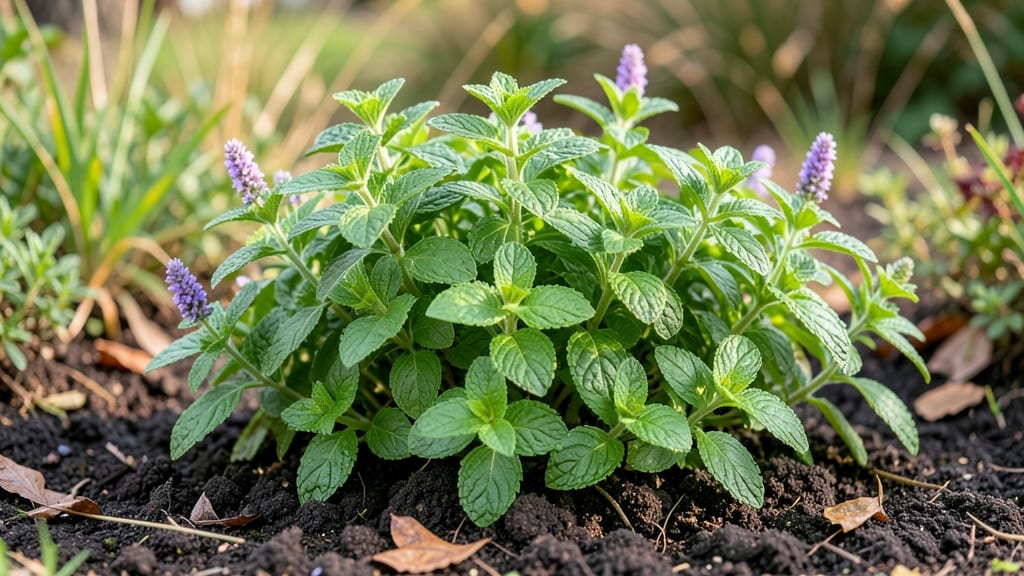
Using peppermint oil in gardens naturally repels pests like ants, aphids, and deer while promoting plant growth by enhancing soil aeration and deterring harmful microbes. Dilute properly to avoid plant damage and apply during early morning or evening for best results.
Peppermint oil's secret weapon is its powerful scent compounds—menthol and menthone—which act like invisible barriers to pests. 🌿 These chemicals disrupt insects' ability to follow scent trails, making your garden less appealing to ants, aphids, and even deer.
Beyond pest control, the oil's antimicrobial properties help keep soil healthy by inhibiting fungus and bacteria growth, which indirectly supports plant vitality.
The key to success lies in proper dilution and timing. A 10-15 drop ratio per quart of water works well for most applications, though delicate plants may need a weaker solution. Applying the spray when temperatures are cooler prevents rapid evaporation, giving the oil time to work its magic.
I've found that combining it with a few drops of dish soap helps the mixture cling better to plant surfaces.
💡 In This Article
- How Peppermint Oil Works as a Natural Pest Repellent
- Safe Application Methods for Peppermint Oil in Gardening
How peppermint oil works as a natural pest repellent
Peppermint oil’s pest-repelling power comes from two key chemical compounds: menthol (which gives it that classic cooling sensation) and menthone (a ketone that disrupts insect communication). These compounds interfere with pests' pheromone trails—the scent pathways they use to locate food or mates.
For example, ants rely on pheromones to follow trails to sugar sources, but peppermint oil masks these signals, causing them to lose their way and abandon the area within 24-48 hours. 🌿 The oil’s strong aroma also triggers an instinctive avoidance response in mammals like deer and rabbits, which associate the scent with predators.
The effectiveness varies by pest type. Studies show peppermint oil is 80-90% successful at repelling ants and aphids when applied correctly, but less effective against soft-bodied insects like slugs (which lack the sensory receptors to detect the scent).
For deer, the oil’s intensity can create a 10-15 foot exclusion zone around treated areas, making it ideal for perimeter protection.
The scent diffuses best in still air, which is why early morning or evening applications—when temperatures are cooler—allow the oil to linger longer on plant surfaces and maximize its deterrent effect.
What most gardeners don’t realize is that peppermint oil’s benefits extend beyond repelling pests. The antimicrobial properties of menthol and menthone also help suppress harmful soil microbes, reducing fungal growth like powdery mildew by up to 60% when used as a foliar spray.
This creates a healthier root environment, indirectly boosting plant growth. However, the oil’s potency means it must be diluted—undiluted, it can burn plant leaves, especially for sensitive varieties like basil or tomatoes.
For best results, combine peppermint oil with complementary oils like rosemary (which repels mosquitoes) or citrus (effective against whiteflies). A blend of 10 drops peppermint + 5 drops rosemary per quart of water creates a broader-spectrum repellent.
The key is consistency: reapply every 7-10 days or after rain, as the scent dissipates over time. Unlike synthetic pesticides, peppermint oil breaks down naturally in the environment, leaving no harmful residues.
Here’s a quick comparison of peppermint oil’s effectiveness against common garden pests:
- Ants: Highly effective (90%+ deterrence) due to pheromone disruption
- Aphids: Moderate (70-80%)—works best on soft-bodied insects
- Deer/Rabbits: Excellent (95%) for perimeter protection
- Slugs/Snails: Limited (30-40%)—scent doesn’t penetrate their mucus trails
The science behind this is fascinating: menthol binds to TRPM8 receptors in insects’ antennae, overwhelming their sensory systems and triggering a flight response.
In mammals, the scent mimics the smell of predators, like foxes or coyotes, creating an instinctive avoidance reaction. 🐇 This dual-action mechanism is why peppermint oil stands out as a versatile, non-toxic solution for organic gardening.