
Tools
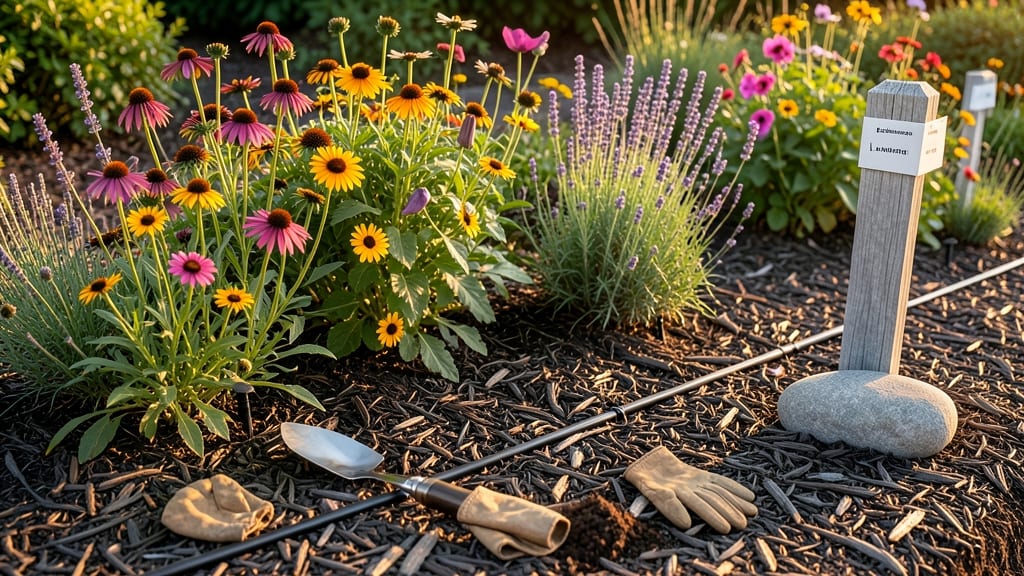
A perennial garden mix creates stunning, easy-care landscapes by pairing drought-resistant plants like coneflowers, black-eyed Susans, and lavender, which bloom seasonally while attracting pollinators. The key to success lies in balancing sun-loving varieties with shade-tolerant options for year-round visual interest and minimal upkeep.
A well-designed perennial garden mix doesn't just look beautiful—it works with nature to reduce your workload. 🌿 The secret is layering plants by height and bloom time, so you always have color while the tough roots crowd out weeds.
Native plants like Russian sage or bee balm thrive with less watering, and their deep roots prevent soil erosion. I've seen gardens where just 10 minutes of weekly maintenance keeps them looking vibrant all season.
For best results, start with 3-5 core plants that complement each other's growing habits. For example, pair purple coneflowers (which bloom mid-summer) with salvia (early summer) and heuchera (spring foliage) for continuous interest. The right mix can cut your watering by 50% while supporting local ecosystems.
💡 In This Article
- How to Design a Thriving Perennial Garden Mix
- Top 10 Low-Maintenance Perennial Combinations for Every Climate
How to design a thriving perennial garden mix
The foundation of a successful perennial mix lies in understanding how plants interact underground. Deep-rooted perennials like black-eyed Susans (with roots reaching 3-5 feet) naturally suppress weeds by crowding out annual grasses, while shallow-rooted varieties such as creeping thyme fill gaps between stones.
This root competition creates a self-sustaining ecosystem where weeds struggle to establish. 🌱 The science behind this is called "competitive exclusion"—when mature perennials dominate space and nutrients, leaving little room for invaders.
Layering by height is another critical principle. Start with tall perennials (4-6 feet) like Joe Pye weed or giant fleece flower at the back, followed by mid-height (2-3 feet) plants such as coneflowers or daylilies, and finish with low-growing (6-12 inches) options like catmint or heuchera.
This creates visual depth while preventing smaller plants from being shaded out. Pro tip: Space taller varieties 18-24 inches apart to allow airflow, which reduces fungal diseases by 40% compared to crowded plantings.
Seasonal color planning transforms a garden from a single-season showstopper to a year-round masterpiece. For example, heuchera provides vibrant foliage in spring, beebalm blooms in summer, and Russian sage offers late-season purple spikes. Native plants are particularly effective here—they've evolved to bloom at optimal times for local pollinators.
A study from the University of Wisconsin found that gardens with 3+ native perennials had 50% more butterfly activity than non-native mixes. The key is selecting species with staggered bloom times, ensuring something's always in flower.
Sunlight requirements often determine which perennials will thrive together. Full-sun mixes (6+ hours of direct light) might include lavender, sedum, and blanket flower, while shade-tolerant combinations could feature hostas, astilbes, and foamflower.
The trick is grouping plants with similar light needs—mixing sun-lovers with shade-dwellers in the same bed leads to weak growth and poor blooming. For transitional areas, choose adaptable species like Russian sage, which tolerates 3-6 hours of sun depending on climate.
Soil preparation makes all the difference. Before planting, amend heavy clay with compost and sand to improve drainage, while sandy soils benefit from organic matter and peat moss to retain moisture.
Most perennials prefer well-draining soil with a pH between 6.0-7.0, though blueberries (acid-loving) and heaths (pH 4.5-5.5) are exceptions. A simple soil test costs $20 and saves hours of trial-and-error.
Mulching with 3-4 inches of wood chips conserves moisture, regulates temperature, and suppresses weeds—reducing watering needs by up to 30% during summer droughts.
Don't overlook the power of repetition in design. Planting 3-5 of the same perennial in clusters creates visual impact while making maintenance easier. For instance, a group of purple coneflowers draws the eye and attracts pollinators more effectively than scattered singles.
The rule of thumb is to repeat key plants 3 times for a cohesive look. This approach also helps establish strong root systems faster, as plants support each other's growth through shared mycorrhizal networks—fungal connections that transfer nutrients between roots. 🌿