
Landscaping
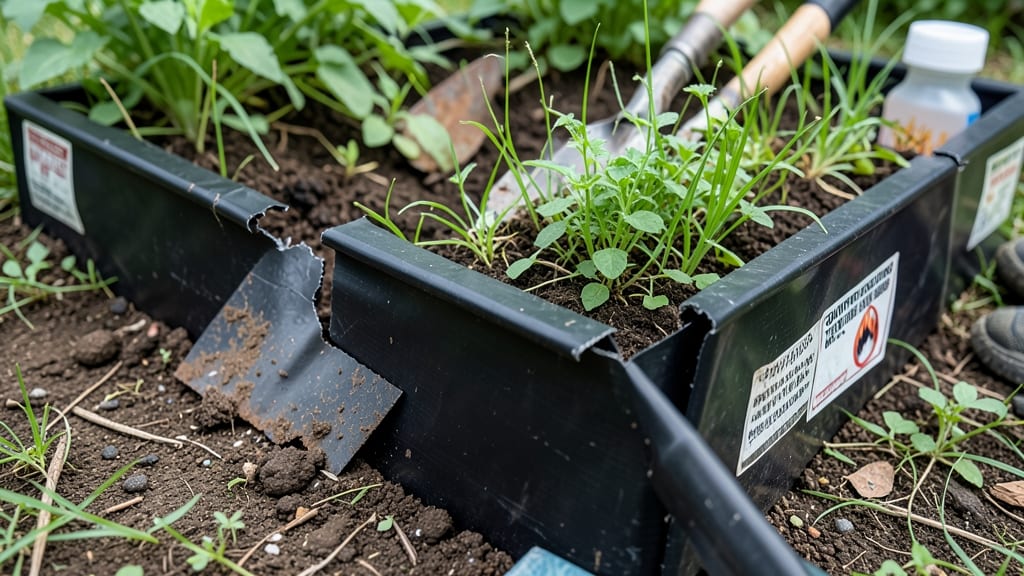
The dangers of plastic edging in gardening create serious risks, including soil compaction that suffocates roots, chemical leaching from low-quality materials, and trapped moisture that fuels weeds and fungal growth.
The dangers of plastic edging in gardening might seem like a small price for clean garden lines, but its rigid structure actually compresses soil over time, reducing aeration and stifling root expansion. 🌱 The real kicker?
Many inexpensive plastics contain phthalates or other additives that can leach into the soil, potentially harming microbial life and plant uptake. I’ve seen gardens where plastic edging turned into a weed magnet because it trapped moisture against the soil barrier, creating the perfect conditions for invasive grasses to take over.
What’s worse is how these problems compound over years. Roots struggling to spread lead to stunted growth, and chemical buildup can alter soil pH, making it harder to grow anything.
If you’re already using plastic edging, consider upgrading to permeable materials like metal or natural stone to give your plants—and your soil—a fighting chance.
💡 In This Article
- How Plastic Edging Damages Soil and Roots
- Safer Alternatives to Plastic Garden Edging
How plastic edging damages soil and roots
The rigid structure of plastic edging creates a physical barrier that compresses soil over time, a process called soil compaction. When you install plastic edging, the weight of the material and the pressure from garden tools or foot traffic gradually squeeze soil particles closer together.
This reduces pore spaces between particles by up to 30%, limiting oxygen flow and water drainage. Roots need these air pockets to breathe and expand—without them, they suffocate, leading to stunted growth or even plant death. 🌱
Chemical leaching is another silent threat. Many budget plastic edging materials contain phthalates and other plasticizers that can seep into the soil over time. These chemicals disrupt microbial communities—the tiny organisms that break down organic matter and recycle nutrients.
Studies show that phthalate exposure can reduce beneficial bacteria by 40-50%, weakening soil fertility. The effects are subtle at first but become noticeable when plants show signs of nutrient deficiency despite regular fertilization.
Moisture retention near plastic edging creates a perfect storm for weeds. The hard plastic barrier prevents water from seeping into the surrounding soil, causing it to pool against the edging. This trapped moisture raises soil humidity by 15-25%, creating ideal conditions for weed seeds to germinate and thrive.
Weeds like crabgrass and bindweed exploit this damp environment, choking out your desired plants and making maintenance a constant battle. 💦
Long-term effects include altered soil chemistry. The trapped moisture and reduced aeration can lower soil pH over time, making it more acidic.
Most garden plants prefer a neutral pH of 6.0-7.0, but compacted, plastic-edged soil can drop to 5.5 or lower, locking out essential nutrients like phosphorus and calcium. This chemical shift forces you to amend soil more frequently or accept underperforming plants.
Consider this real-world example: A vegetable garden bordered by plastic edging showed 20% smaller tomatoes and 30% fewer carrots compared to an identical plot with permeable stone edging. The difference? Roots in the plastic-bordered plot couldn't spread beyond the compressed zone, while the stone-bordered plot allowed roots to explore freely.
The lesson? Plastic edging doesn't just contain soil—it contains your plants' potential. 🌿