
Tools
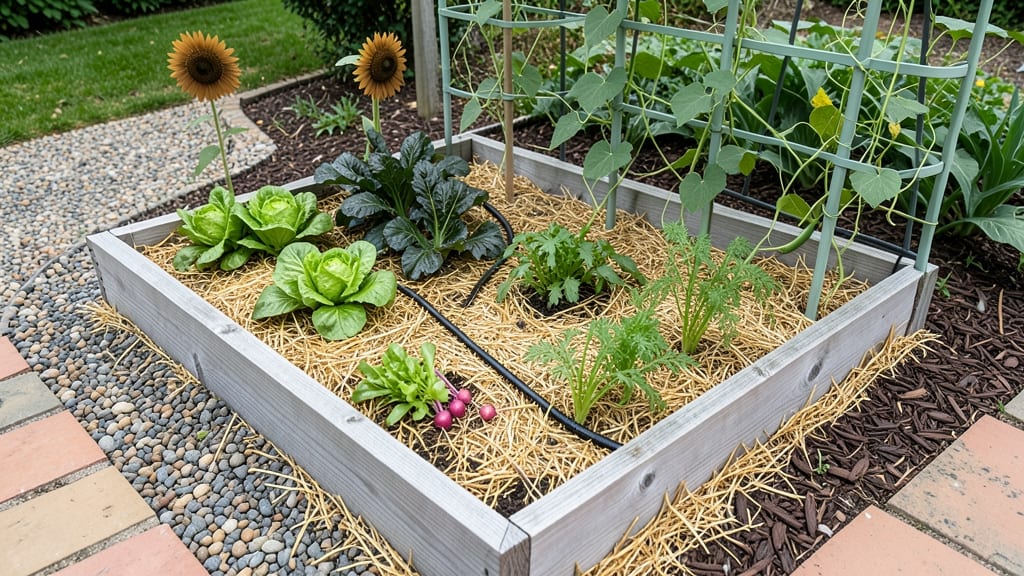
A plot in gardening is a defined planting area where you organize crops based on size, shape, and function—whether for vegetables, flowers, or decorative elements. Common dimensions start at 4x8 feet for small-scale growing and expand to 10x20 feet for larger harvests, with careful attention to plant spacing and sunlight exposure.
A plot in gardening isn't just about space—it's about strategy. 🌱 Smaller 4x8-foot plots work perfectly for beginners or urban gardens, while larger 10x20-foot sections maximize yield for heavy producers like tomatoes or corn.
The key is balancing plant needs: leafy greens thrive in tight rows, while root vegetables need wider spacing. I always sketch my layout first, marking sun paths and irrigation routes to avoid wasted effort later.
What makes a plot truly functional is its design. Pathways between rows (even narrow ones) save your back during harvests, and rotating crops yearly prevents soil depletion. For raised beds, I recommend 3x6-foot dimensions—they warm up faster in spring and give better drainage.
The best plots feel like a puzzle where every piece (plant, path, and purpose) fits together seamlessly.
💡 In This Article
- Standard Plot Sizes and Their Ideal Planting Arrangements
- Designing Functional Garden Plots for Maximum Productivity
Standard plot sizes and their ideal planting arrangements
Plot dimensions directly impact your garden's efficiency. A 4x8-foot plot (32 square feet) is ideal for beginners or small-scale growing—think lettuce, radishes, or herbs. This size fits neatly in urban spaces and allows for 12-18 inches of spacing between plants, preventing overcrowding.
Larger plots like 10x20 feet (200 square feet) become the backbone of vegetable gardens, accommodating heavy producers such as corn, squash, or potatoes with 2-3 feet of spacing between rows.
The difference between raised beds and in-ground plots becomes clear here. Raised beds (typically 3x6 feet) warm up 10-14 days earlier in spring due to their elevated soil, which is especially valuable for cool-season crops like peas or spinach.
In-ground plots, however, offer more stable moisture retention for drought-prone areas. The soil composition also shifts: raised beds often use a mix of topsoil, compost, and perlite, while in-ground plots rely on native soil, which may require amendments like aged manure or compost to improve fertility.
Planting density varies wildly based on the crop. Leafy greens like kale or Swiss chard can thrive in 6-inch spacing, while squash vines need 3-4 feet of diameter to sprawl. Companion planting—pairing plants that benefit each other—plays a huge role here.
For example, basil planted near tomatoes repels pests and enhances flavor, while marigolds deter nematodes in the soil. This strategic pairing maximizes every square inch of your plot, turning a simple rectangle into a high-yield ecosystem.
Sunlight exposure is another critical factor tied to plot size. A 4x8-foot plot might receive full sun (6+ hours) only in the center, while the edges could get partial shade. Larger plots allow for microclimates—you can position sun-loving tomatoes in the south-facing side and shade-tolerant greens on the north.
Tools like a sunlight mapping app or even a simple tape measure and string can help you visualize these zones before planting.
Consider the tools you'll use when designing your plot. A 4x8-foot plot is easy to reach across from all sides, while a 10x20-foot plot might require stepping into the middle for maintenance. Pathways between rows (even as narrow as 18 inches) make weeding and harvesting far more manageable.
For larger plots, I recommend adding a gravel or mulch path to prevent soil compaction from foot traffic.
What most gardeners overlook is how plot size affects soil health. Smaller plots can be tilled or amended more frequently, while larger plots benefit from no-till methods to preserve soil structure.
The key is matching your plot size to your goals: quick harvests for small plots, long-term yields for larger ones, and always leaving room for seasonal rotation to maintain soil vitality.
Finally, don't underestimate the psychological impact of plot size. A 4x8-foot plot feels manageable for beginners, reducing overwhelm, while a 10x20-foot plot can be intimidating if you're new. Start small, observe what works, and expand gradually—your first plot should inspire confidence, not stress. 🌱