
Tools
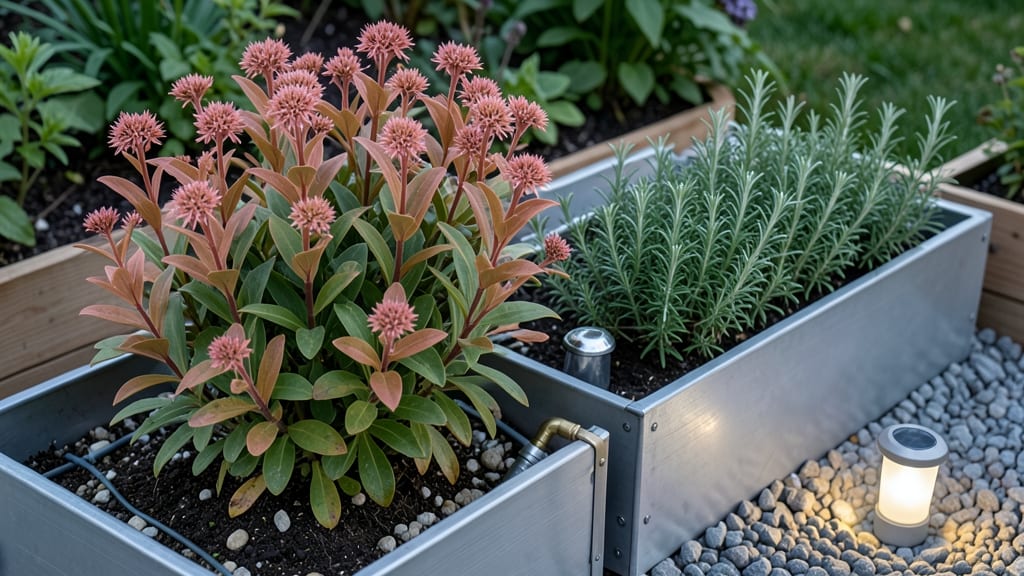
A roof terrace garden transforms limited space into a lush oasis by using shallow planters, sun-loving plants like thyme and rosemary, and built-in drainage systems that protect your roof's integrity.
A roof terrace garden thrives on smart plant selection and structural planning. 🌿 The right plants—like drought-tolerant lavender or compact strawberries—keep weight down while adding beauty, while lightweight fabric planters distribute load evenly.
I’ve found that adding a 1-2 inch gravel layer at the base of containers prevents water pooling and extends the life of your roof membrane. Start with small-scale testing: place containers in different spots to observe how wind and sunlight affect growth patterns before committing to full installation.
For beginners, I recommend starting with 3-4 gallon containers per plant to balance weight and root space. 💫 The key is creating a layered system—place heavier containers near the roof’s support beams and use vertical pockets for trailing plants like nasturtiums.
This approach lets you enjoy greenery without risking structural stress, making even small balconies feel like productive gardens.
💡 In This Article
- Choosing Lightweight Plants for Roof Gardens
- Structural Solutions for Roof Garden Weight Limits
Choosing lightweight plants for roof gardens
Roof gardens demand plants that balance minimal weight with resilience to extreme conditions—sun exposure, temperature swings, and wind.
The best candidates share three key traits: shallow root systems, drought tolerance, and compact growth habits. 🌱 Succulents like sedum (weight: ~0.5 lbs per gallon) and echeveria thrive because their thick leaves store water, reducing irrigation needs by up to 80% compared to thirsty annuals.
Herbs like thyme and rosemary weigh just 0.3-0.5 lbs per gallon when mature, while producing aromatic foliage that repels pests naturally.
The science behind their success lies in their photosynthetic efficiency—these plants convert sunlight into energy with minimal water loss through a process called Crassulacean Acid Metabolism (CAM). This allows them to stay hydrated even when exposed to afternoon sun, which can reach 120°F on dark roof surfaces.
For edible options, strawberries (especially alpine varieties) grow in 3-5 gallon containers and produce fruit weighing 0.2-0.4 lbs per plant, making them ideal for harvests without heavy yields.
Container size directly impacts root health and weight. A 5-gallon fabric grow bag filled with cactus/succulent mix holds about 15 lbs when saturated, while the same volume with potting soil weighs 20-25 lbs. This 25% difference matters when distributing loads across 20-30 sq ft of roof space.
Pro tip: Use hydroponic felt pockets (weighing 0.1 lbs each) for trailing plants like nasturtiums—they cling to vertical surfaces without adding structural stress.
Wind exposure creates another challenge, as gusts up to 20 mph can dehydrate plants or topple lightweight containers. To combat this, choose plants with low surface-area leaves (like lavender) and secure containers with non-slip mats or bungee cords.
I’ve found that placing taller plants (2-3 ft) near the roof’s windward edge acts as a natural barrier, reducing turbulence for shorter varieties behind them.
Seasonal adjustments are critical—spring and fall require 10-15% more water than summer due to temperature fluctuations, while winter dormancy reduces irrigation needs by 50% for most Mediterranean plants. Mulching with 1 inch of pebbles retains moisture while adding just 0.2 lbs per sq ft to the container’s total weight.
This simple layer can extend watering intervals from every 2 days to every 5-7 days during peak heat.
For visual impact, combine textures: pair silvery-blue sedum (which reflects heat) with deep purple lavender to create contrast.
The lavender’s woody stems also add structural interest without increasing weight significantly. 💫 Remember, the goal is to create a self-sustaining microclimate where plants support each other—like thyme ground cover shading strawberry roots from afternoon sun.