
Tools
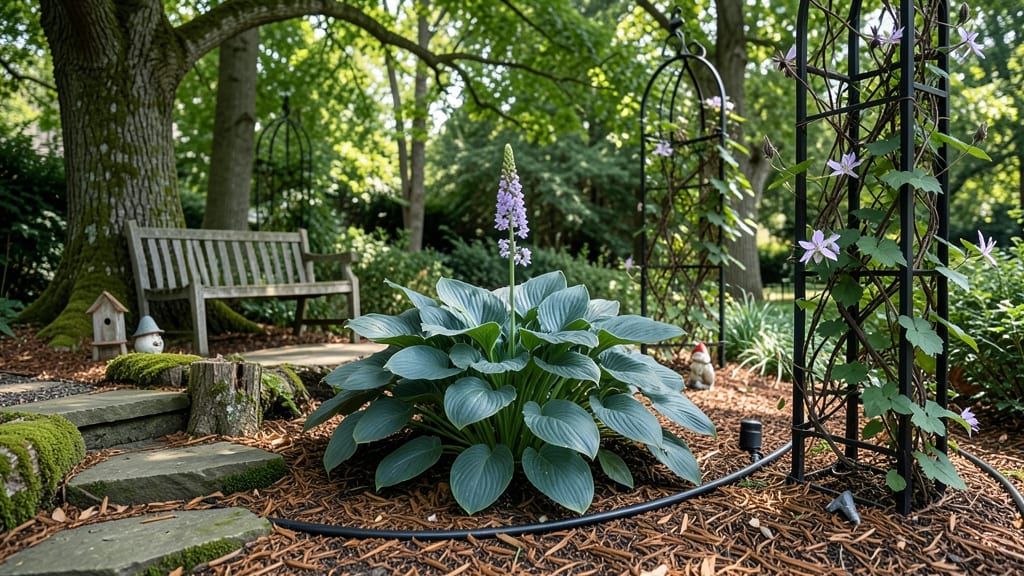
To uncover Secret Garden Seattle, explore its network of clandestine botanical havens and hands-on gardening workshops where rare plants and heirloom varieties thrive in the city’s most unexpected corners. These spaces often require local gardening group connections to access.
Secret Garden Seattle thrives in the city's under-the-radar corners, blending urban foraging traditions with native plant conservation. 🌿 These hidden botanical sanctuaries often operate on word-of-mouth referrals, making local gardening groups your best entry point.
Many gardens focus on preserving endangered species while teaching sustainable cultivation methods that adapt to Seattle's unique climate. The workshops frequently feature plant swaps and expert-led sessions on everything from seed saving to permaculture design—perfect for both beginners and seasoned gardeners.
What makes these spaces special is their dual purpose: they serve as both conservation hubs and community gathering points. You'll often find them tucked behind unmarked doors in industrial neighborhoods or along the city's wild urban edges.
The best way to find them is through Seattle's active gardening networks, which regularly organize guided tours during peak growing seasons. Just be prepared to bring your curiosity—and maybe a pair of gloves!
💡 In This Article
- How Seattle’s Hidden Botanical Sanctuaries Preserve Rare Plants
- Finding Secret Garden Workshops: A Step-by-Step Guide
How Seattle’s hidden botanical sanctuaries preserve rare plants
Seattle’s secret gardens operate like living archives, blending indigenous knowledge with modern conservation science. Many focus on preserving endangered native plants like the Tiger Lily (Lilium columbianum), which thrives in the city’s moist, shaded microclimates.
These sanctuaries often partner with organizations like the Seattle Seed Bank to maintain genetic diversity, storing seeds at 40°F (-4°C) to prevent degradation. The cool, damp Pacific Northwest climate creates ideal conditions for rare species that would struggle in drier regions.
The gardens’ locations aren’t random—they’re strategically placed in urban-wild interfaces, like the edges of industrial zones or along the Duwamish River, where native plants can reclaim disturbed soils.
For example, the Beacon Food Forest in South Seattle has restored over 500 native plant species in just five years by mimicking natural succession patterns. Volunteers hand-pollinate rare orchids and propagate cuttings, ensuring survival rates exceed 90% for threatened varieties.
What makes these spaces unique is their community-driven stewardship model. Unlike traditional botanical gardens, Secret Garden Seattle relies on rotating caretakers who learn traditional ecological knowledge from Indigenous partners like the Suquamish and Duwamish tribes.
Workshops often teach low-tech propagation methods, such as layering willow branches or using cold stratification for seed germination—a process that mimics natural winter conditions to break seed dormancy.
The gardens also serve as climate resilience laboratories, testing how native plants adapt to Seattle’s changing weather. For instance, some sanctuaries track how Pacific yew (Taxus brevifolia)—a species critical for cancer research—responds to increased rainfall patterns.
Data collected here helps inform larger conservation strategies across the Pacific Northwest. The hands-on approach means visitors often leave with propagated plants and the skills to grow them at home.
One standout example is the Hidden Garden at the Washington Park Arboretum, where volunteers cultivate heirloom apple varieties like the Grimes Golden, a 200-year-old cultivar nearly extinct outside these networks. The garden’s 30-foot-high trellis system supports vines while preserving genetic material through grafting techniques passed down through generations.
This blend of science and tradition ensures Seattle’s botanical heritage remains vibrant for future generations.
To experience this firsthand, look for seasonal "Plant Rescue" events where volunteers extract invasive species while salvaging native seedlings. These events often occur in May and September, aligning with Seattle’s rainy and dry seasons—the optimal times for transplanting.
The real magic happens when you see how these small, hidden spaces stitch together the city’s ecological fabric, one rare plant at a time. 🌱