
Landscaping
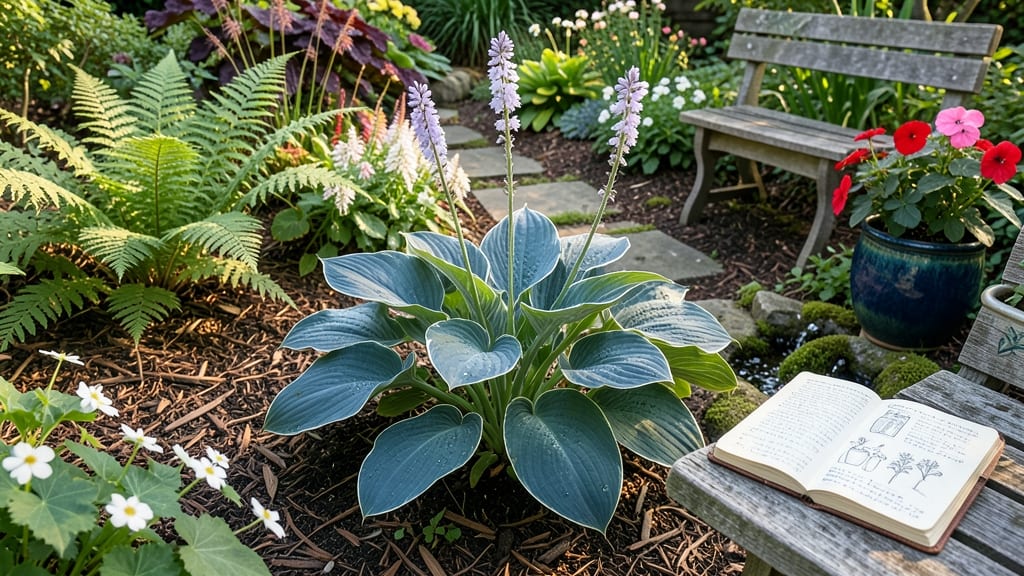
Let’s be honest: most gardeners avoid shade spots like the plague. But in Zone 6, where summers can be humid and winters chilly, a well-planned shade garden isn’t just possible—it’s a low-maintenance way to add beauty without the fuss of sun-loving plants.
Think of it as a multi-level stage: tall ferns and shrubs set the backdrop, mid-height perennials like hostas steal the show, and ground covers weave everything together. The result? A lush, ever-changing space that blooms from spring through fall.
Below, I’ll walk you through the best plants for Zone 6 shade, how to layer them for maximum impact, and the pro tips that keep your garden thriving—no guesswork required.
 Best Window Placement
Best shade-tolerant plants for Zone 6 layered planting designs
A shade garden in Zone 6 thrives with the right plant selection—one that balances foliage texture, seasonal blooms, and low-maintenance care. The key is layering plants by height to create depth while ensuring each layer gets the right amount of filtered light.
I’ve curated a list of top performers that handle Zone 6’s humidity swings and temperature fluctuations with ease.
For tall layers, evergreen shrubs like inkberry holly and boxwood provide structure and year-round interest. Medium-height plants such as hostas and astilbes add colorful foliage and summer blooms, while ground covers like foamflower and sweet woodruff fill gaps with delicate textures.
Together, they create a lush, dynamic garden that feels alive even in deep shade.
| Layer | Plant | Height | Light Needs | Seasonal Interest | Care Tips |
|---|---|---|---|---|---|
| Tall | Inkberry Holly (Ilex glabra) | 6-10 ft | Partial to full shade | Year-round evergreen | Prune in late winter; tolerates wet soil |
| Tall | Boxwood (Buxus sempervirens) | 3-6 ft | Partial shade | Dark green foliage; spring blooms | Shear 2x/year; mulch to retain moisture |
| Medium | Hosta 'Blue Angel' | 1.5-2 ft | Deep shade | Blue foliage; summer blooms | Divide every 3-4 years; avoid overhead watering |
| Medium | Astilbe 'Fanal' | 1.5-2 ft | Partial shade | Feathery pink plumes; summer to fall | Cut back after blooming; keep soil moist |
| Ground Cover | Foamflower (Tiarella cordifolia) | 6-12 in | Deep to partial shade | White spring blooms; textured foliage | Spreads slowly; great for borders |
| Ground Cover | Sweet Woodruff (Galium odoratum) | 6-10 in | Deep shade | Fragrant spring foliage; white flowers | Drought-tolerant once established |
| Accent | Japanese Fern (Athyrium niponicum) | 2-3 ft | Partial to full shade | Lacy fronds; year-round interest | Divide clumps every 5 years |
| Accent | Hellebore 'Black Beauty' | 1.5-2 ft | Partial shade | Dark purple blooms; winter to spring | Deadhead spent blooms; mulch heavily |
Start with evergreen shrubs like inkberry holly or boxwood for your back layer. These plants provide structure and winter interest while filtering light for lower layers.
Place them 10-12 feet apart to create a natural canopy. For medium-height plants, hostas and astilbes thrive in deep shade and offer bold foli
How to design a multi-layered shade garden for continuous color
A multi-layered shade garden thrives on vertical diversity, blending foliage textures and seasonal blooms for year-round interest. In Zone 6, where shade can be deep and unpredictable, this approach ensures no bare patches or dull seasons.
Start by mapping your space—identify areas with dappled light versus deep shade—to place plants strategically.
Layering works by creating three distinct zones: the canopy (tall plants), the understory (medium-height plants), and the ground cover. This structure mimics a natural forest ecosystem, where each layer supports the next.
For example, a Japanese maple or ornamental cherry can anchor your canopy, while hostas and heucheras fill the understory, and ajuga or lamium weave through the ground level.
🌿 Layered Shade Garden Design Guide
- Canopy Layer (6-10 ft tall): Tall shrubs and small trees like ornamental grasses (Hakonechloa), dogwood (Cornus), or hydrangeas (Hydrangea macrophylla). These cast gentle shade for lower layers.
- Understory Layer (2-4 ft tall): Medium-height perennials such as heucheras (Coral Bells), astilbes (False Spirea), and Japanese anemones (Anemone hupehensis). Choose plants with bold foliage or late-season blooms for winter interest.
- Ground Cover Layer (under 1 ft tall): Spreading plants like ajuga (Bugleweed), lamium (Dead Nettle), or foamflower (Tiarella). These suppress weeds, retain moisture, and add colorful textures to the base.
- Seasonal Fillers (all layers): Tuck in bulbs like daffodils (Narcissus) or helebores (Lenten Rose) for early spring color. Add ferns (Matteuccia) for architectural interest and Japanese forest grass (Hakonechloa) for movement.
- Pro Tip: Mix evergreens (e.g., inkberry holly (Ilex glabra)) with deciduous plants to ensure year-round structure. In Zone 6, prioritize cold-hardy varieties like hardy geraniums (Geranium macrorrhizum).
Incorporate foliage variety to keep your garden dynamic. For instance, pair silver-blue hostas with deep purple heucheras and chartreuse lamium for a striking contrast. Add height variation with ornamental grasses like Hakonechloa macra, which sways gently in the breeze and adds movement to the scene.
Don’t overlook seasonal blooms like Japanese anemones, which flower in late summer to fall, or helebores, which bloom in early spring before most other plants.
These gap-fillers ensure your garden stays vibrant even when other plants are dormant. For winter interest, include evergreen shrubs like boxwood (Buxus) or inkberry holly.
Finally, mulch generously with organic matter like shredded bark or leaf mold to retain moisture and regulate soil temperature. In Zone 6, where winters can be cold and summers humid, mulching also protects plant roots from temperature extremes and weed competition.
Replenish mulch annually to maintain its effectiveness.
With these layers in place, your shade garden will become a lush, low-maintenance oasis that thrives on color and texture year-round. Start small, experiment with combinations, and let your garden evolve naturally—just like a wild woodland! 🌿🌸