
Tools
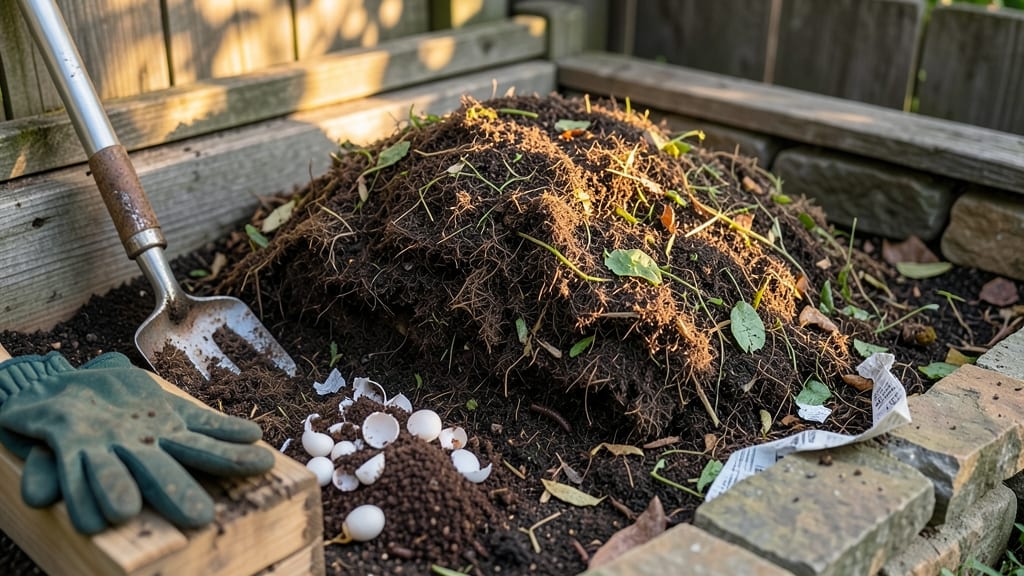
Shredded paper in the garden is safe as a mulch or compost additive when it's uncoated and free of glossy finishes, ink, or chemicals, breaking down slowly to improve soil texture and moisture retention without harming plants or soil health.
This eco-friendly alternative works because plain paper is mostly cellulose, which microbes break down naturally over time. 🌱 When used as mulch, it helps suppress weeds while locking in moisture—perfect for dry climates.
For compost, tear or shred paper into small pieces so it integrates smoothly with greens and browns, avoiding clumps that slow decomposition. Just avoid colored or glossy paper, as dyes and coatings can introduce toxins into your soil.
For best results, mix shredded paper with other compost materials like leaves or straw in a 1:2 ratio. In mulch applications, spread a 2- to 3-inch layer around plants, keeping it away from stems to prevent rot.
I’ve found that newspaper and office paper work best, while magazine pages or glossy inserts should be avoided entirely.
💡 In This Article
- How Shredded Paper Decomposes in Soil and Compost
- Best Practices for Using Shredded Paper in Gardens
How shredded paper decomposes in soil and compost
Plain paper is made mostly of cellulose, the same structural material in plant cell walls, which makes it an excellent carbon source for composting.
When shredded, the paper's surface area increases dramatically, exposing more cellulose fibers to moisture and microbes. 🌱 This process kickstarts decomposition within 2-4 weeks in optimal conditions, though thicker paper may take 3-6 months to fully break down.
The key players here are soil bacteria and fungi, which secrete enzymes like cellulase to break down the cellulose chains into simpler compounds.
In compost piles, shredded paper acts as a "brown" material, balancing nitrogen-rich "greens" like grass clippings or food scraps. The ideal carbon-to-nitrogen ratio for composting is about 25-30:1, and paper helps achieve this balance.
However, if the paper is too thick or clumped, it can create air pockets that slow microbial activity. That's why tearing or shredding paper into 1/2-inch to 1-inch strips is critical—it ensures even decomposition and prevents mold growth from trapped moisture.
Acidity plays a surprising role in this process.
Plain paper has a neutral pH, but if it contains ink or dyes, those chemicals can lower the pH, creating acidic conditions that inhibit microbial activity. 🔥 For example, newspaper ink (often alkaline) may raise pH slightly, while magazine dyes can introduce harmful compounds.
Always test paper for acidity by soaking a small piece in water—if the water turns yellow or smells off, skip it for compost. The goal is to maintain a compost pH between 6.0 and 8.0 for optimal decomposition.
When used as mulch, shredded paper works differently. It forms a protective layer that blocks sunlight, suppressing weeds while slowly breaking down. Over time, it integrates into the topsoil, improving its structure by adding organic matter that holds 30-50% more moisture than bare soil.
This is especially valuable in dry climates, where mulch can reduce watering needs by up to 30%. The paper's fibrous texture also creates tiny air pockets, enhancing soil aeration for root growth.
One common misconception is that all paper decomposes at the same rate. In reality, the thickness and type of paper matter significantly. Office paper (usually 0.1mm thick) breaks down in 4-8 weeks, while cardboard (often 0.3mm+ thick) can take 6-12 months to decompose fully.
Even within the same type, coated or glossy paper resists decomposition due to plastic or wax coatings, which repel water and microbes. Always opt for uncoated, plain paper to avoid these pitfalls.
For composters, the breakdown process releases beneficial compounds like humic acids, which improve soil fertility. These acids bind nutrients, making them more available to plants while enhancing the soil's ability to retain water. 💫 The result is a richer, darker soil that supports healthier plant growth.
Just remember: the smaller the pieces, the faster the decomposition—and the more effective your compost or mulch will be.