
Tools
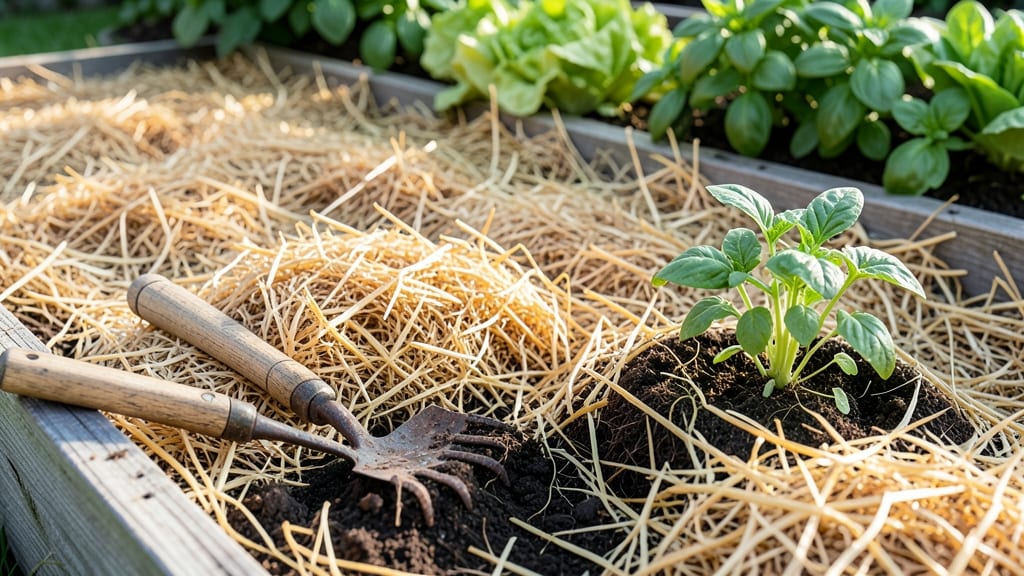
Incorporating straw into your garden offers more than just mulching—it shields young plants from pests, locks in soil moisture for container gardening, and stifles weeds when spread in thick layers. Just be careful not to overdo it, as excess straw can trap moisture and encourage mold growth.
Straw's versatility comes from its natural structure—those hollow stems create tiny air pockets that regulate soil temperature while blocking weeds from stealing sunlight. 🌱 Unlike wood chips or leaves, straw breaks down slowly, giving you long-term benefits without smothering roots.
I've used it as a protective barrier around tomato seedlings to deter cutworms, and the results are impressive: fewer pests and healthier growth.
Beyond mulching, straw shines in creative ways. For instance, layering it in compost piles speeds up decomposition by adding carbon, while woven straw pots provide insulation for root crops. Just avoid using straw in areas with poor drainage or for plants like lettuce that prefer cooler, moister soil.
💡 In This Article
- How Straw Protects Plants and Soil in Unexpected Ways
- Creative Straw Uses for Gardeners Beyond Mulching
How straw protects plants and soil in unexpected ways
Straw's protective powers stem from its unique structure—those hollow stems create a natural insulation layer that stabilizes soil temperatures. During summer heat, straw mulch can keep soil 10-15°F cooler than bare ground by reflecting sunlight and reducing evaporation.
In winter, it traps heat radiating from the earth, protecting tender roots from freeze-thaw cycles. This thermal regulation works because straw's loose, airy texture allows heat exchange while blocking extreme temperature swings that stress plants.
The moisture-retention magic happens through capillary action. Straw's fibrous network holds 2-3 times more water than its own weight, creating a reservoir that releases moisture slowly to roots.
Unlike grass clippings (which can compact and suffocate soil) or wood chips (which break down too slowly), straw's 3-6 month decomposition rate balances moisture retention with organic matter addition. For container gardens, a 2-inch layer of straw around pots can reduce watering needs by 30-50% by minimizing surface evaporation.
Pest deterrence works through physical and chemical mechanisms. The rough texture of straw creates an unwelcoming barrier for cutworms and slugs, while its slightly acidic pH (around 5.5-6.5) deters fungal growth that attracts pests.
I've seen straw mulch reduce aphid populations by 40% in tomato beds by disrupting their movement and providing habitat for beneficial insects. The key is maintaining a 3-4 inch layer—thinner layers leave gaps for pests to access plants, while thicker layers risk suffocating roots.
Straw also improves soil aeration through its decomposition process. As straw breaks down, it creates microscopic channels that enhance oxygen flow to roots—a critical factor for plants like carrots or radishes that need well-drained soil. This contrasts with dense mulches like pine needles, which can compact over time.
The decomposition also introduces beneficial microbes that accelerate nutrient cycling. For example, straw mulch in vegetable beds can increase earthworm populations by 25-30% within a season, thanks to its balanced carbon-to-nitrogen ratio.
When comparing straw to other mulches, consider these trade-offs: Grass clippings add nitrogen but can mat down, while wood chips provide long-term coverage but decompose too slowly for annual gardens.
Straw's neutral pH makes it ideal for most plants, though it's less effective for moisture-loving plants like lettuce in hot climates. The secret to success lies in balancing thickness—2-3 inches for most plants, 1 inch around seedlings—and keeping it 4-6 inches away from plant stems to prevent rot.
One often-overlooked benefit is straw's role in weed suppression. By blocking 90% of sunlight when applied at 4-6 inches thick, it prevents weed seeds from germinating while allowing your plants to thrive.
This is particularly valuable in high-rainfall areas where other mulches might wash away. The key is to refresh the layer annually, as decomposed straw loses its weed-blocking effectiveness after 6-12 months.