
Tools
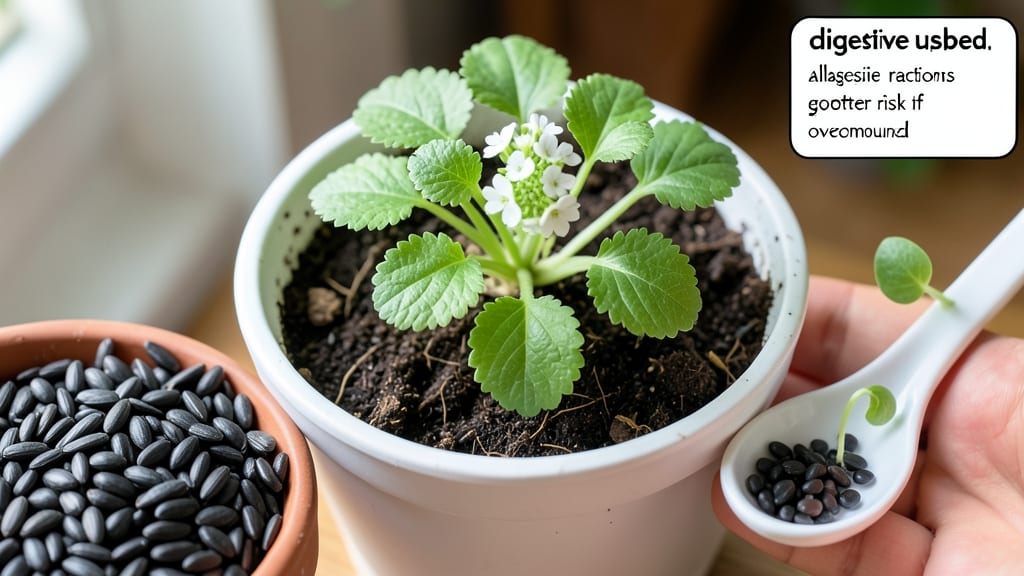
The side effects of garden cress seeds can include digestive issues like bloating or gas, rare allergic reactions such as skin rashes, and potential interactions with blood thinners due to their vitamin K content. Overconsumption may also affect thyroid function because of goitrogens, so moderation and professional advice are key.
Garden cress seeds contain compounds called glucosinolates, which can act as goitrogens and interfere with thyroid function when consumed in excess. 🔥 These natural chemicals also contribute to the plant's peppery flavor but may cause mild digestive upset in sensitive individuals.
If you're on anticoagulant medications, the seeds' high vitamin K levels could impact how your body processes those drugs, making regular monitoring essential. For most people, however, these effects are minimal when consumed in reasonable amounts.
To minimize risks, consider soaking or lightly cooking the seeds before eating, as this can reduce goitrogen levels. Always start with small portions to gauge your body's response, especially if you're pregnant, nursing, or have thyroid conditions.
When in doubt, a quick check with your healthcare provider ensures you're making informed choices about incorporating garden cress into your diet.
💡 In This Article
- How Garden Cress Seed Compounds Trigger Potential Side Effects
- Safety Precautions When Growing or Consuming Garden Cress Seeds
How garden cress seed compounds trigger potential side effects
The primary culprits behind garden cress seed side effects are glucosinolates—a class of sulfur-containing compounds that give the seeds their characteristic peppery kick. When consumed in large amounts, these compounds can interfere with thyroid function by inhibiting iodine uptake, a process known as goitrogenic activity.
The most potent goitrogen in garden cress is progoitrin, which converts to goitrin during chewing or digestion. Studies show that even moderate consumption (around 10-15 grams per day) can trigger this effect in iodine-deficient individuals, though healthy individuals typically tolerate smaller doses well.
Another critical compound is vitamin K, which garden cress contains in significant amounts (about 100-150 mcg per tablespoon of seeds). This is particularly relevant for individuals on blood-thinning medications like warfarin, as vitamin K plays a crucial role in blood clotting.
A sudden increase in vitamin K intake can counteract the medication's effects, leading to inconsistent blood thinning levels. The body absorbs vitamin K most efficiently from raw seeds, so cooking or soaking can reduce its bioavailability by up to 30-40%, mitigating this risk.
For those with histamine sensitivity, garden cress seeds may also pose challenges. The seeds contain natural amines that can trigger symptoms like headaches, flushing, or digestive distress in sensitive individuals.
Unlike allergies, which involve the immune system, histamine intolerance is a metabolic issue where the body can't break down histamine efficiently. Symptoms often appear within 30-60 minutes of consumption and can persist for hours, making it easier to identify the trigger.
Processing methods can significantly alter these effects. Soaking garden cress seeds in water for 4-6 hours reduces goitrogen levels by breaking down glucosinolates, while light cooking (like steaming for 5-7 minutes) can further diminish their potency.
However, these methods don't eliminate all risks—especially for those with pre-existing thyroid conditions or medication sensitivities. Always introduce garden cress seeds gradually to monitor your body's response.
The peppery flavor of garden cress seeds also stems from isothiocyanates, compounds that may cause mild digestive irritation in some people. These compounds can stimulate gut motility, leading to symptoms like bloating or gas—particularly in individuals with sensitive digestive systems.
The effect is dose-dependent, meaning larger quantities are more likely to trigger discomfort. For most people, however, the digestive system adapts over time with regular, moderate consumption.
Allergic reactions to garden cress seeds are rare but possible, typically presenting as skin rashes, itching, or swelling within 1-2 hours of ingestion. Cross-reactivity with other cruciferous vegetables (like mustard or horseradish) is also a consideration for those with known allergies.
If you notice any of these symptoms, discontinue use and consult a healthcare provider, as severe reactions can occur in sensitive individuals.