
Tools
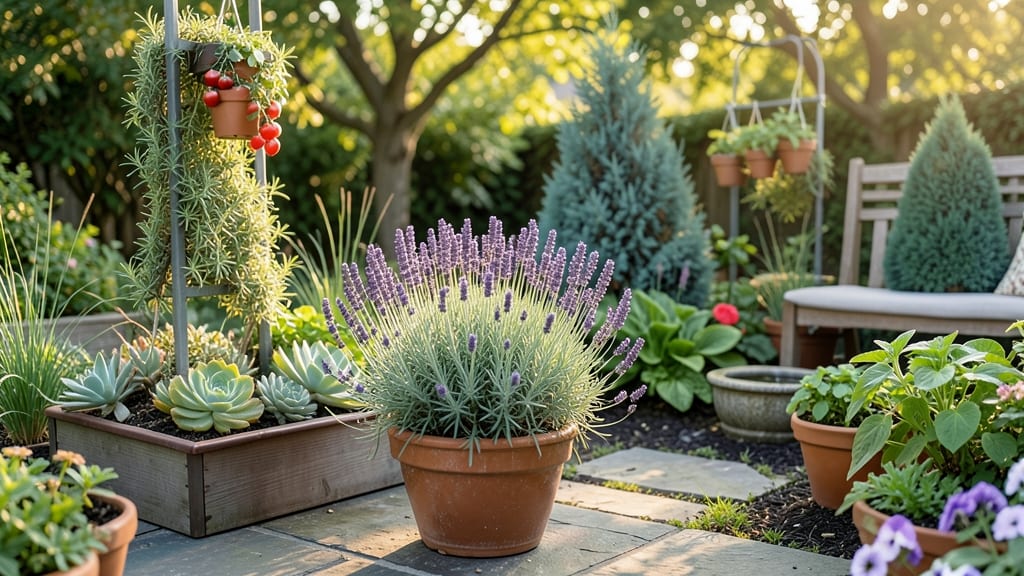
Small garden layout ideas focus on vertical gardening, raised beds, and multi-functional designs like edible borders to transform limited urban spaces into productive, visually appealing gardens. Smart plant selection and sun optimization are key to maximizing every square foot.
When working with limited space, think beyond the ground—vertical gardening can double or triple your growing area without expanding your footprint. 🌿 Trellises for climbing plants like beans or cucumbers, wall-mounted planters for herbs, and hanging baskets for strawberries or lettuce all free up valuable floor space.
I've found that combining these with raised beds (even just 4'x8' sections) gives you better drainage and easier access, which is a game-changer for urban growers with uneven terrain.
Another smart approach is strategic plant layering—pairing shallow-rooted plants like thyme or lettuce with deeper-rooted vegetables such as carrots or tomatoes. This creates a natural vertical ecosystem where each plant supports the others.
For example, planting marigolds around tomatoes deters pests while adding color, and using ground covers like clover between rows suppresses weeds and retains moisture. The result? A garden that looks intentional and produces more in less space.
💡 In This Article
- Vertical Gardening Techniques for Compact Spaces
- Space-Saving Plant Pairing Strategies for Small Gardens
Vertical gardening techniques for compact spaces
Vertical gardening transforms walls and fences into productive growing surfaces, effectively turning unused vertical real estate into valuable garden space.
The key lies in selecting plants that naturally thrive upward—like pole beans, which can climb 10-15 feet on a sturdy trellis, or cucumbers that sprawl horizontally but can be trained vertically with 3-4 feet of support.
For herbs, consider mint or basil in wall-mounted pockets, where their trailing growth habit creates a lush, aromatic curtain.
The science here involves plant morphology: vining plants like peas or grapes have tendrils that cling to structures, while others like strawberries send out runners that can be guided along vertical planters.
Structural support is critical—especially in urban environments where wind or foot traffic might destabilize lightweight systems. For balconies, opt for galvanized metal trellises (rated for 20-30 lbs of plant weight) or modular wall planters with built-in drainage.
I’ve seen 4-inch-deep pockets on vertical planters produce thriving lettuce or spinach, while deeper pockets (8+ inches) accommodate root vegetables like radishes. The material choice matters too: cedar resists rot, while plastic systems are lightweight but may degrade under UV exposure over time.
For hanging gardens, use coconut fiber baskets with 1-2 inch drainage holes to prevent root rot in moisture-loving plants like ferns or strawberries.
Sun exposure is the non-negotiable factor—most vertical plants need 6-8 hours of direct sunlight daily. South-facing walls (in the Northern Hemisphere) are ideal, but east or west exposures work for sun-tolerant varieties like Swiss chard or nasturtiums.
Here’s a pro tip: Use reflective surfaces like white-painted walls or mirror panels to bounce 10-20% more light onto shaded vertical gardens. For indoor vertical setups, supplement with LED grow lights (10,000-15,000 lux) positioned 12-18 inches above foliage to mimic sunlight spectra.
This ensures herbs like basil or parsley stay vibrant even in low-light kitchens.
Beyond aesthetics, vertical gardens solve real space challenges. For example, a 6-foot-tall trellis with climbing roses or clematis can produce 50% more blooms than the same plants grown on the ground, where they’d compete for space with other crops.
In my own 80-square-foot balcony garden, I dedicated one wall to vertical herbs, freeing up 12 square feet of floor space for raised beds.
The herbs (thyme, oregano, and chives) thrive in the partial shade cast by the trellis above, while the raised beds below get full sun for tomatoes and peppers. This layering isn’t just efficient—it’s a visual feast, with textures ranging from the feathery basil to the fuzzy lamb’s ear ground cover.
Don’t overlook the sensory benefits: vertical gardens bring plants to eye level, making harvesting and maintenance easier while adding a dynamic, living element to urban spaces.
For instance, a vertical strawberry planter lets you pluck ripe berries without bending, and the cascading foliage adds a touch of nature to concrete jungles.
The aroma of mint or lavender trailing down a wall is unmatched—it’s like having a fragrant air freshener that also produces edible leaves. 🌿 For those with limited mobility, vertical gardening reduces the need for crouching or kneeling, making it a practical and inclusive solution.