
Tools
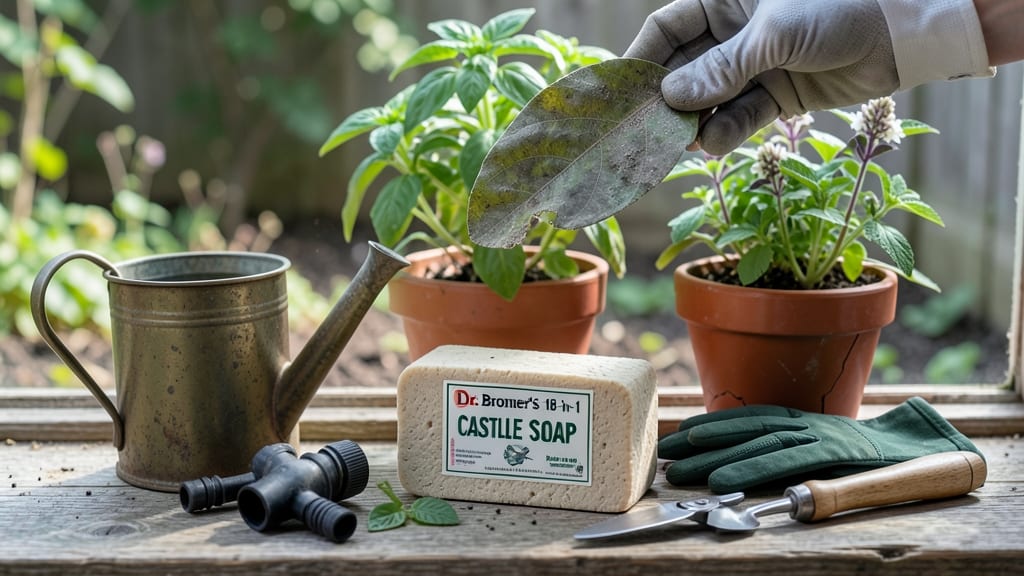
Soap in the garden disrupts pests and fungi by breaking cell membranes and suffocating soft-bodied insects, while mild solutions like diluted castile soap kill fungal spores without harming plants when applied correctly. Always test on a small area first.
Soap works as a natural pesticide because its surfactant molecules disrupt the protective layers of insects and fungal spores. 🌿 When mixed with water, it creates tiny bubbles that penetrate soft-bodied pests like aphids and mites, causing dehydration and death.
For fungal issues, the soap's alkaline nature helps dissolve the waxy coatings of spores, preventing them from establishing on leaves. I've found that using a 1% dilution (1 tablespoon of mild soap per quart of water) strikes the perfect balance between effectiveness and plant safety.
What makes this method particularly appealing is its dual action—it tackles both above-ground pests and soil-borne fungi without introducing harsh chemicals.
The key is consistency: reapply every 7-10 days during active pest seasons, and always spray in the early morning to allow the solution to dry before afternoon heat sets in.
Just remember, never use it on edible plants right before harvest, and always rinse off thoroughly if you notice any leaf burn.
💡 In This Article
- How Soap Kills Garden Pests and Fungi
- Best Soap Recipes for Garden Sprays and Safety Tips
How soap kills garden pests and fungi
Soap works its magic through a chemical process called surfactancy, where surfactant molecules in soap break down the protective layers of pests and fungi. These molecules have both hydrophilic (water-attracting) and hydrophobic (water-repelling) ends, allowing them to penetrate the waxy cuticles of insects and fungal spores.
When applied, the soap molecules insert themselves between the lipid layers of cell membranes, causing them to rupture. This disruption leads to dehydration in soft-bodied insects like aphids and mites, while fungal spores lose their protective barriers, making them vulnerable to environmental factors.
The pH level of the soap solution also plays a critical role in its effectiveness. Most garden soaps have a slightly alkaline pH (around 8-9), which is effective against many fungal pathogens that thrive in neutral or acidic environments.
For example, powdery mildew spores prefer a pH of 5-6, so an alkaline soap solution creates an inhospitable environment. However, this alkalinity must be balanced—too high a pH can damage plant tissues.
Natural soaps like castile soap (pH ~9) are generally safer than synthetic detergents, which often have higher pH levels and more harsh additives that can harm plants.
When you apply a soap solution to your garden, the tiny bubbles formed create a physical barrier that suffocates pests. For instance, aphids have a delicate outer layer that's easily disrupted by these bubbles, leading to rapid dehydration.
The soap's ability to lower surface tension of water also helps it spread more evenly across plant surfaces, ensuring thorough coverage. This dual mechanism—chemical disruption and physical suffocation—makes soap an effective natural pesticide when used correctly. 🌱
One important factor is the type of soap used. Castile soap, made from olive oil, is particularly plant-friendly because it contains no synthetic fragrances or preservatives that could harm beneficial insects or soil microorganisms. Its gentle yet effective action makes it ideal for organic gardening.
In contrast, harsh detergents or soaps with added chemicals can leave residue that may harm plants or beneficial predators like ladybugs and lacewings, which help control pest populations naturally.
For fungal issues, the soap's ability to dissolve the waxy coatings of spores is crucial. Many plant diseases, like black spot on roses or early blight on tomatoes, rely on these protective layers to survive.
When soap breaks through these barriers, the spores become exposed to sunlight, air, and other environmental factors that kill them. This is why soap sprays are often recommended as a preventative measure during humid conditions, when fungal spores are most active.
The effectiveness of soap sprays also depends on timing and environmental conditions. Applying the solution in the early morning allows it to dry slowly, maximizing contact time with pests and fungi.
Additionally, the solution should be applied when temperatures are below 85°F—heat can cause the soap to dry too quickly, reducing its effectiveness. Always test the mixture on a small area first to ensure it doesn't cause leaf burn or other damage to your plants.