
Vegetables
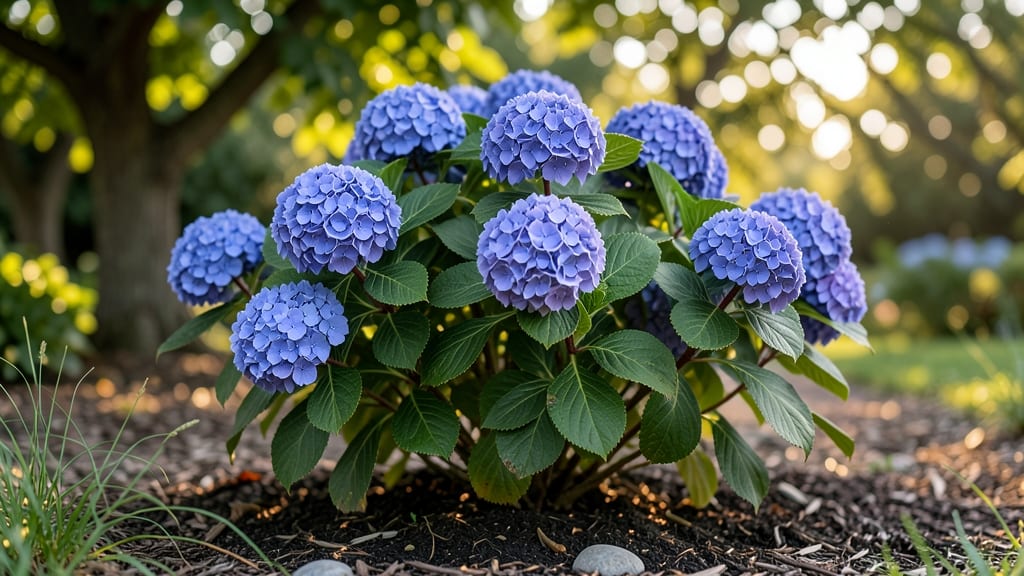
Stan Hywet Hall and Gardens spans 67 acres of meticulously landscaped grounds, featuring formal gardens, woodlands, and rare botanical collections that blend American and European design elements. The estate's historic 19th-century mansion and ever-changing seasonal displays highlight its horticultural expertise and architectural heritage.
This Ohio estate is a masterpiece of landscape architecture that tells a story through its carefully curated gardens. 🌿 The property's design reflects both Frederick Law Olmsted's influence and European-inspired layouts, creating a harmonious blend that has evolved over centuries.
What makes it particularly special is how the gardens change with each season, offering unique experiences whether you visit for spring tulips, summer perennials, or autumn foliage displays.
The estate's 67 acres include not just the famous formal gardens but also hidden gems like the Japanese Garden and Woodland Walk. These lesser-known areas provide peaceful escapes and showcase the estate's commitment to horticultural diversity.
Planning your visit around seasonal highlights ensures you'll see the gardens at their most vibrant, while the historic mansion offers insight into how these landscapes were originally envisioned and maintained.
💡 In This Article
- Design History Behind Stan Hywet’s Iconic Gardens
- Best Seasonal Plants and Hidden Garden Spots to Visit
Design history behind Stan Hywet’s iconic gardens
Stan Hywet’s gardens trace their roots to the Gilded Age, when the estate was built in 1915 for industrialist F.A. Seiberling. The original design blended American practicality with European grandeur, a fusion that defined its identity.
Frederick Law Olmsted’s influence—though indirect—shaped the estate’s open lawns and winding paths, creating a sense of flow that mimics natural landscapes while maintaining structured elegance. This approach was revolutionary for its time, as it prioritized both aesthetic beauty and functional usability in large-scale gardens.
The estate’s formal gardens, like the grand parterre and rose gardens, showcase European-inspired layouts with geometric precision. These designs were meticulously planned to showcase seasonal blooms, with each plant strategically placed to ensure year-round visual interest.
For example, the 1,500 tulips planted in spring are arranged in intricate patterns that highlight the mansion’s façade, while summer perennials like peony and daylily fill the borders with vibrant color.
The woodlands, on the other hand, reflect a more naturalistic approach, with native species like oak and maple providing a contrasting backdrop to the formal areas.
Horticultural innovation played a key role in preserving the original vision. The estate’s founders introduced rare and exotic plants, such as the Japanese maples and English boxwood hedges, which were cutting-edge choices in the early 20th century.
These selections weren’t just decorative—they were practical, chosen for their hardiness in Ohio’s climate while still delivering stunning visual impact. Today, the gardens maintain this balance, using modern horticultural techniques to keep the original plantings thriving while incorporating new varieties that honor the estate’s historic roots.
One of the most fascinating aspects of Stan Hywet’s design is how it adapts to seasonal changes. In spring, the focus shifts to bulbs and early bloomers, while summer highlights perennials and annuals that thrive in the heat.
Fall brings the fiery hues of maple and oak foliage, and winter showcases evergreens like pine and holly to maintain year-round interest. This cyclical approach ensures the gardens remain dynamic, offering something new with each visit while staying true to their original design principles.
The estate’s commitment to historic preservation extends beyond the mansion—it’s embedded in every garden bed and pathway. Restoration efforts focus on maintaining the original plant palette, using period-appropriate species and techniques.
For instance, the walled garden, which dates back to the 1920s, features herbs and vegetables that would have been grown for both culinary and medicinal purposes in the Gilded Age. This dedication to authenticity makes Stan Hywet not just a beautiful landscape, but a living museum of horticultural history.
What’s truly remarkable is how the estate’s design continues to evolve while staying rooted in its past. Modern additions, like the Japanese Garden and Woodland Walk, complement the original layout without disrupting its harmony.
These newer features introduce contemporary gardening trends while reinforcing the estate’s reputation as a place where tradition and innovation coexist seamlessly. 🌿