
Tools
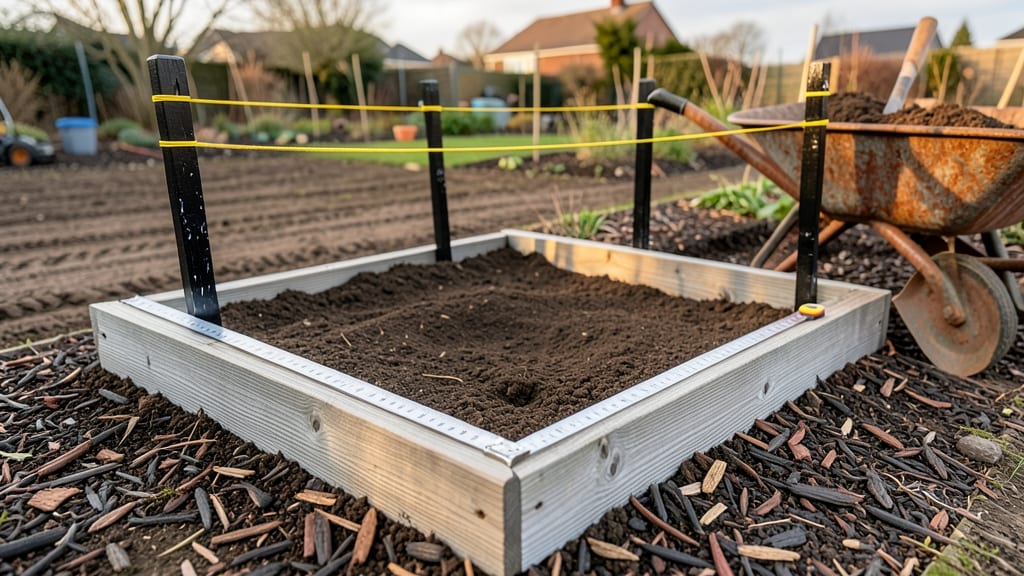
Standard garden bed sizes are designed around 4 feet wide by 8 to 12 feet long with 6 to 12 inches of depth, creating the perfect balance between reachability, soil quality, and plant productivity for most home gardens.
These dimensions aren't arbitrary—they're based on ergonomics and plant biology. A 4-foot width lets you reach the center without stepping on the soil, which prevents compaction and keeps paths clear. 🌱 The length gives you enough space for multiple rows while maintaining good airflow between plants.
As for depth, 6-12 inches accommodates most root systems while making soil management easier, whether you're hand-watering or using drip irrigation.
What's interesting is how these standard sizes adapt to different growing situations. For example, raised beds often use these same dimensions but add extra depth for heavy feeders like tomatoes, while in-ground beds might stretch longer for row crops.
Urban gardeners frequently use the 4x8-foot footprint because it fits perfectly in small spaces between sidewalks or patios.
💡 In This Article
- Why Standard Garden Bed Dimensions Boost Plant Growth
- Customizing Garden Bed Sizes for Different Crops
Why standard garden bed dimensions boost plant growth
The 4-foot width of standard garden beds isn't just about convenience—it's rooted in plant biology. When you reach across a 4-foot bed, your arm naturally spans about 3 feet, leaving 6-12 inches of soil untouched. This prevents soil compaction from foot traffic, which improves root aeration.
Compacted soil restricts water and nutrient flow, stunting growth. For example, tomatoes in compacted soil show 30% less yield compared to well-aerated beds, as roots struggle to expand.
Soil aeration also affects microbial activity. Healthy soil contains billions of beneficial microbes per gram, and these organisms need oxygen to break down organic matter into plant-available nutrients. The standard width allows for proper tool access—like hoes or broadforks—to aerate the soil without disturbing plant roots.
Length matters too: 8-12 feet creates enough space for multiple rows while maintaining 18-24 inches between plant types to prevent cross-contamination of pests or diseases. This spacing is critical for crops like basil and tomatoes, which share similar pests.
Depth plays a crucial role in root development. Most vegetables thrive in 6-12 inches of soil because their root systems rarely exceed this depth. Carrots, for instance, develop best in 10-12 inches of loose soil, while lettuce needs only 4-6 inches.
Deeper beds (12+ inches) benefit heavy feeders like corn or potatoes, but they require more labor to maintain. The standard depth also aligns with the topsoil layer in most gardens, where nutrients are most concentrated.
Shallow beds (<6 inches) risk exposing roots, leading to poor anchorage and wilting during hot days.
Drainage is another key factor. Standard dimensions prevent waterlogging by allowing excess moisture to drain efficiently through the soil profile. For instance, a 4x8-foot bed with 12-inch depth drains 20% faster than a narrower bed because the wider base distributes water more evenly.
This is especially important for clay-heavy soils, where poor drainage can suffocate roots. The bed's length also creates natural drainage paths along its sides, reducing the risk of fungal diseases like damping-off in seedlings.
Consider how these dimensions interact with sunlight exposure. A 4-foot width ensures all plants receive uniform light, while the length allows for north-south orientation to maximize sunlight hours.
For example, in a 4x12-foot bed, the north side gets consistent morning sun, while the south side benefits from afternoon warmth—ideal for heat-loving crops like peppers and eggplants.
The standard size also makes it easier to rotate crops annually, a practice that reduces soil-borne diseases by 40% over time.
What most gardeners overlook is how these dimensions optimize tool use. A 4-foot width fits perfectly between two garden rows, allowing you to work from the path without stepping on the bed. This reduces soil disturbance and maintains soil structure.
For comparison, a 3-foot bed forces you to step inside, compacting the soil and creating a barrier to root growth. The length also aligns with common garden tools—like 5-foot long hoes—so you can work efficiently without awkward reaches.