
Tools
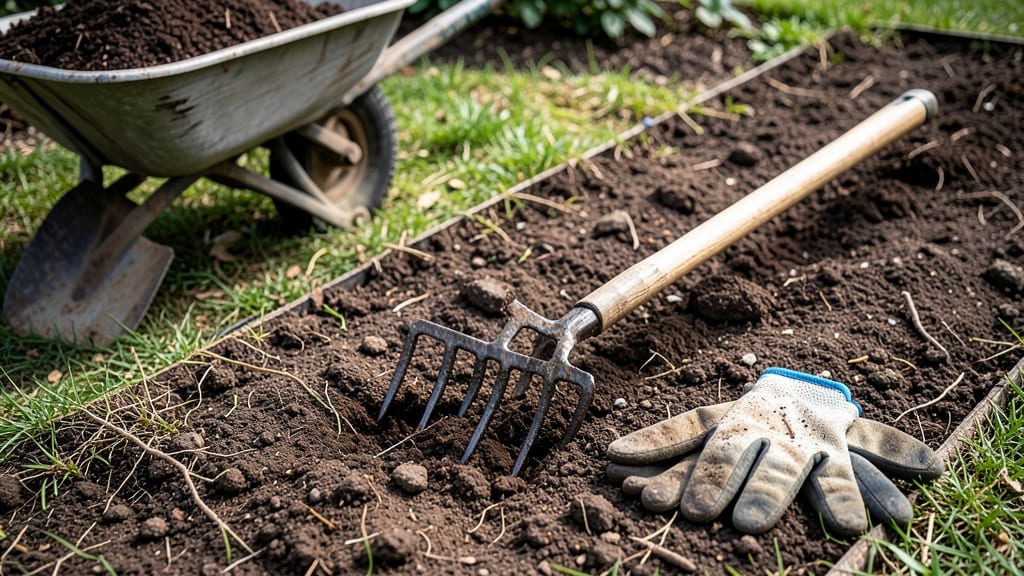
When we talk about tilling the garden meaning the process of turning over and loosening soil, we're describing a technique that removes weeds, breaks up compacted earth, and creates an ideal planting environment. This essential method enhances root growth, improves water drainage, and boosts nutrient availability for healthier plants.
Tilling transforms dense soil into a fluffy, nutrient-rich foundation for your garden. 🌱 The mechanical action of tilling disrupts compacted layers, allowing air and water to penetrate deeper into the soil profile.
This isn't just about making planting easier—it's about creating an ecosystem where beneficial microbes can thrive, breaking down organic matter into plant-available nutrients. I've seen firsthand how properly tilled soil can turn struggling plants into thriving ones, especially in heavy clay or sandy soils where drainage becomes a challenge.
What's fascinating is how different tilling methods yield different results. Traditional mechanical tilling with rototillers offers quick coverage but can disrupt soil structure over time, while manual methods like broadforking preserve soil organisms better.
The key is matching your technique to your specific soil type—some gardens benefit from deep tilling in fall to incorporate compost, while others need only shallow disturbance before spring planting.
💡 In This Article
- How Soil Tilling Improves Garden Health
- Best Tools and Techniques for Tilling Gardens
How soil tilling improves garden health
Tilling physically breaks apart compacted soil layers that form naturally from foot traffic, machinery, or seasonal freeze-thaw cycles. When soil compacts, it creates dense zones where air and water struggle to penetrate, suffocating plant roots.
A study from the University of California found that compacted soil can reduce root growth by up to 60% compared to loose, tilled soil. The mechanical action of tilling creates larger pore spaces—typically increasing porosity from 10% to 30%—which dramatically improves oxygen exchange and water infiltration.
This aeration boosts microbial activity, which is where the real magic happens. Soil microbes like bacteria and fungi decompose organic matter, releasing nutrients in forms plants can absorb. Tilling mixes these microbes throughout the soil profile, creating a more uniform nutrient distribution.
For example, earthworms—nature's tillers—can move through loose soil 30% faster than compacted soil, accelerating nutrient cycling. However, over-tilling can disrupt these beneficial organisms, so timing matters: fall tilling incorporates organic matter while spring tilling prepares planting beds.
The moisture balance is another critical factor. Tilled soil absorbs and retains water more efficiently than compacted soil, reducing runoff and erosion. In clay soils, tilling creates channels that prevent waterlogging, while in sandy soils, it slows drainage to prevent nutrient leaching.
The ideal tilled soil should crumble easily between your fingers when slightly moist—a texture that feels like a well-aerated cake batter rather than dense clay or powdery sand. This balance between aeration and moisture retention is what transforms struggling plants into vigorous growers.
Different tilling methods affect soil structure in distinct ways. Mechanical rototillers provide quick, deep disturbance but can pulverize soil into fine particles that compact easily when wet. Manual tools like broadforks preserve soil aggregates better, maintaining the natural crumb structure.
For organic gardeners, no-till methods using sheet mulch or cover crops build soil health without disruption. The choice depends on your garden's needs: heavy clay benefits from deep tilling, while delicate root systems (like carrots) need only shallow disturbance.
Consider this real-world example: In a vegetable garden with compacted clay soil, deep tilling to 12 inches in fall followed by adding compost creates an ideal planting environment. By spring, the soil structure improves enough that even shallow-rooted plants like lettuce thrive without smothering.
The key is observing how your soil behaves after tilling—if it forms clods that resist breaking down, you've gone too deep or used too much force. The goal is to mimic nature's own tilling process, just with a little human assistance.
What most gardeners don't realize is that tilling also affects weed control. By burying weed seeds deeper than 1 inch, you prevent them from reaching light to germinate—a technique called "solarization" when combined with clear plastic.
This passive method can reduce weed pressure by up to 90% in a season. The combination of improved soil structure, enhanced microbial activity, and weed suppression is why tilling remains one of the most effective garden preparation techniques, despite modern no-till alternatives.