
Tools
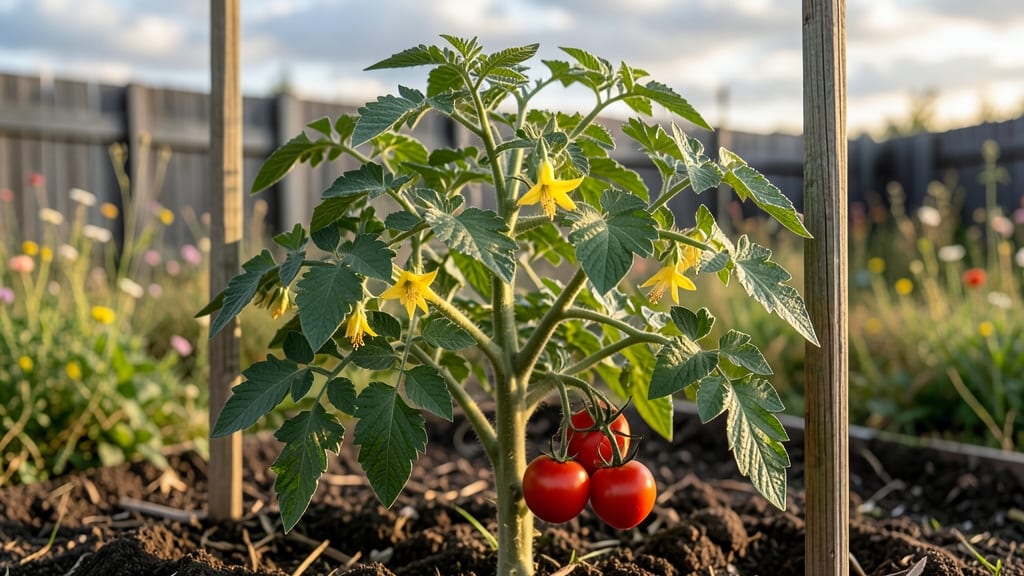
A tomato garden in Vernon, NJ thrives in USDA Zones 6b-7a, with ideal planting between mid-April and late May for best yields. Start seeds indoors 6-8 weeks before the last frost or transplant seedlings after soil reaches 60°F.
A tomato garden in Vernon, NJ benefits from the region's moderate climate, where the growing season typically spans from late spring through early fall. 🌱 The 6b-7a zones mean you can grow both early varieties like 'Stupice' and heat-loving types such as 'Celebrity' with proper care.
I've found that using black plastic mulch helps warm the soil faster, while row covers protect tender seedlings from late spring frosts—a common issue in this area.
Timing is everything here: planting too early risks frost damage, while waiting too long shortens the harvest window. The 60°F soil temperature threshold ensures roots establish quickly, and I recommend testing your soil's pH (aim for 6.2-6.8) to maximize nutrient uptake.
For extended harvests, try succession planting every 2-3 weeks after the initial transplant date.
💡 In This Article
- Vernon NJ’s Climate Zones and Tomato Varieties
- Step-by-Step Vernon NJ Tomato Planting Calendar
Vernon NJ’s climate zones and tomato varieties
Vernon, NJ’s classification in USDA Zones 6b-7a creates a unique growing environment for tomatoes.
The 6b zone (average minimum temperature of -5°F to 0°F) means you can push early varieties slightly further than in colder regions, while the 7a zone (0°F to 5°F) allows for longer growing seasons.
This climate window—roughly 180-200 frost-free days
The key advantage of this zone is the ability to grow both cold-tolerant and heat-loving varieties. For example, 'Early Girl' (maturing in 55-65 days) thrives in Vernon’s cooler springs, while 'Better Boy' (maturing in 75-80 days) handles the summer heat. The region’s average summer highs of 85-90°F can stress indeterminate varieties, so I recommend using shade cloth during peak heat or choosing heat-resistant types like 'Solar Fire', which produces well even when temperatures exceed 95°F. Soil temperature is critical—Vernon’s clay-heavy soils retain heat well, but they can become waterlogged after heavy rains. To optimize growth, I’ve found that adding 2-3 inches of compost before planting improves drainage while maintaining moisture. The 60°F soil temperature threshold isn’t just about avoiding frost; it’s also when beneficial soil microbes become active, breaking down organic matter into nutrients tomatoes crave. A soil thermometer is your best friend here—planting too early when soils are still cool delays root establishment. Another Vernon-specific challenge is humidity, which can promote fungal diseases like early blight. To combat this, I recommend spacing plants 18-24 inches apart for airflow and using drip irrigation to keep foliage dry. The high humidity also means you’ll need to monitor for hornworms—these pests thrive in Vernon’s climate. A simple neem oil spray every 10-14 days keeps them in check without harming pollinators. For gardeners in Vernon, the secret to success lies in variety selection and timing. Early varieties like 'Stupice' (a cold-hardy Czech heirloom) can be planted as soon as soil reaches 55°F, while heat-set varieties like 'Arkansas Traveler' perform best when daytime temperatures exceed 75°F. The 10-14 day difference in maturity between these types means you can stagger plantings for a continuous harvest from June through October. Don’t overlook the role of sunlight—Vernon receives 2,500-2,700 hours of sunlight annually, but afternoon shade during July and August can prevent sunburn on ripening fruit. A simple 30% shade cloth strung above plants during peak heat hours makes a world of difference. This small adjustment can extend your harvest by 2-3 weeks compared to unprotected plants.