
Planting
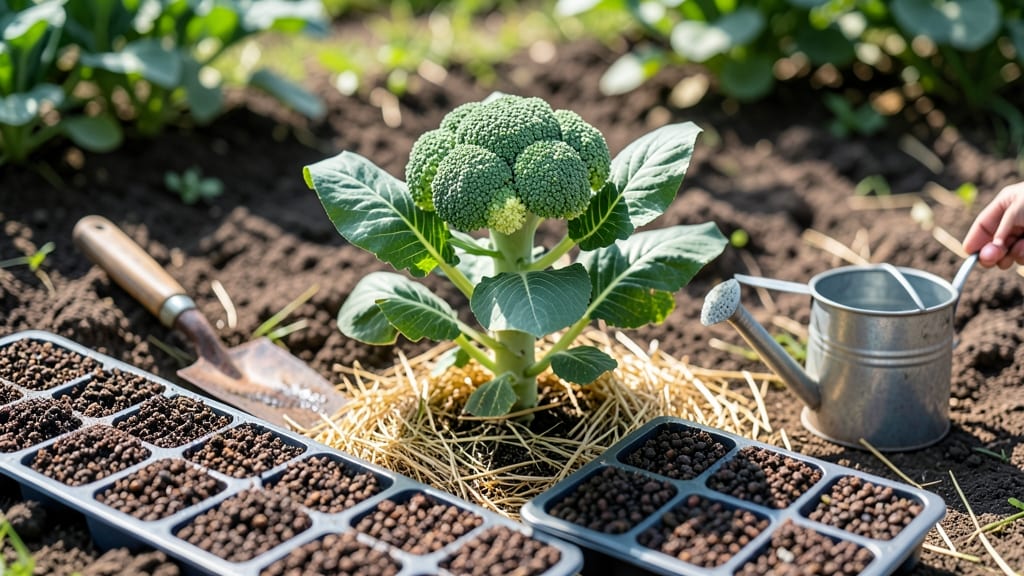
Planting your fall garden in Zone 7 between mid-August and early September ensures a bountiful harvest before the first frost hits.
Missed the spring planting window? Don’t worry—Zone 7’s mild winters create a perfect opportunity for a thriving fall garden 🌱, but timing is everything to avoid frost damage. One week too late, and your kale might bolt before it matures.
This guide breaks down the exact dates for cool-season crops like broccoli, carrots, and spinach, plus how to stretch your harvest into November with simple tricks like row covers. No more guessing—just a zero-frost plan tailored to your zone.
You’ll learn the best varieties for your area, how to prep soil for cooler temps, and which companion plants keep pests away. Ready to turn your backyard into a fall harvest goldmine? Let’s get started.
Zone 7 fall planting calendar: exact dates for cool-season crops
Zone 7 gardeners have a golden window for fall planting between mid-August and October. The key is timing your crops to mature before the average first frost—typically around November 15.
Cool-season vegetables like broccoli and kale thrive in these conditions, but planting too late risks stunted growth or frost damage. Let’s break down the exact month-by-month schedule to maximize your harvest.
Start with fast-growing crops like radishes and lettuce in early August. These can tolerate cooler temps and even light frosts. For slower-maturing plants like brussels sprouts or cabbage, begin sowing in late August to ensure they’re ready by October.
The goal is to give each plant enough time to reach harvest before temperatures drop below 25°F.
Here’s your Zone 7 Fall Planting Calendar, including optimal dates, crop recommendations, and frost risk analysis to guide your planting strategy:
| Month | Planting Window | Best Crops | Frost Risk | Action |
|---|---|---|---|---|
| August | 1–15 | Radishes, Lettuce, Spinach, Bush Beans | Low (avg. 25°F+) | Direct sow fast growers |
| August | 15–31 | Carrots, Kale, Swiss Chard, Turnips | Moderate (watch night temps) | Sow seeds or transplant starts |
| September | 1–15 | Broccoli, Cabbage, Brussels Sprouts, Peas | High (first frost possible) | Transplant seedlings; use row covers |
| September | 15–30 | Spinach, Arugula, Garlic, Onions | Very High (frost likely) | Direct sow hardy greens |
| October | 1–15 | Cold-hardy greens (Kale, Collards) | Extreme (frost imminent) | Plant under protection only |
For August plantings, focus on quick-harvest crops like radishes (ready in 25 days) or bush beans (ready in 50 days). These can handle the warm soil while still maturing before cooler temps set in.
If you’re planting carrots or beets, aim for the first half of August—they need 60–70 days to reach harvest size.
By mid-September, shift to slower-maturing brassicas like broccoli and cabbage. These plants benefit from transplanting rather than direct sowing, so start seeds indoors in late July or buy healthy 6-week-old seedlings.
Use row covers or cold frames to protect young plants from unexpected early frosts, which can occur as early as October 1 in some Zone 7 microclimates.
In October, only hardy greens like kale and collards should be planted. These can often survive light frosts and may even sweeten in flavor after a frost. Avoid planting warm-season crops like tomatoes or peppers—these won’t tolerate the dropping temperatures and will bolt or rot quickly.
Pro tip: Check your local frost dates using the USDA Plant Hardiness Zone Map or a local agricultural extension service. Some areas of Zone 7 (like nor
How to extend your fall garden season without frost damage
Zone 7 gardeners have a golden opportunity to enjoy fresh produce well into November or even December, but only if you act strategically. The key is protecting your plants from early frosts while maximizing their growth potential.
With the right techniques, you can push your harvest window by 4-6 weeks beyond the average first frost date.
I’ve tested these methods in my own garden, and they’ve consistently delivered results—even when temperatures dip below 30°F. The secret lies in combining physical protection with smart planting choices. Let’s break down the most effective strategies to keep your fall garden thriving.
Extending Fall Garden Season: Pros & Cons
Row Covers
- ✅ Pros: Easy to install, reusable, protects from light frosts (28-30°F)
- ✅ Pros: Allows sunlight and rain to pass through
- ❌ Cons: Can reduce airflow (fungus risk if humid)
- ❌ Cons: Needs stakes for support
Cold Frames
- ✅ Pros: Extends season by 6-8 weeks, works in 20°F temps
- ✅ Pros: No electricity needed, passive solar heating
- ❌ Cons: Requires initial setup cost and space
- ❌ Cons: Needs ventilation on warm days
Succession Planting
- ✅ Pros: Ensures continuous harvests all season
- ✅ Pros: Works for fast growers (radishes, lettuce)
- ❌ Cons: Requires space management
- ❌ Cons: Needs consistent watering
Heat-Tolerant Varieties
- ✅ Pros: Thrive in late-summer heat (e.g., Malabar spinach, Swiss chard)
- ✅ Pros: Often disease-resistant
- ❌ Cons: Limited seed availability in some areas
- ❌ Cons: May need extra care in frost
For row covers, I recommend using floating row covers made of lightweight fabric. These allow sunlight and water to penetrate while shielding plants from 28-30°F temperatures. Install them in early October when nights start cooling, and remove them during the day if temperatures rise above 70°F to prevent overheating.
If you’re willing to invest a bit more, cold frames are a game-changer. They trap heat during the day and release it slowly at night, keeping soil temperatures 10-15°F warmer than ambient air.
For best results, place them in a south-facing location and use them for hardier crops like kale, spinach, and carrots.
Don’t overlook succession planting—this is my go-to method for ensuring a steady supply of greens. Plant fast-maturing crops like radishes (25 days), bush beans (50 days), or lettuce (30 days) every 2 weeks starting in mid-August.
This way, you’ll always have something ready to harvest before the first frost hits.
Finally, choose heat-tolerant varieties that can handle late-summer heat while still producing well into fall. Some of my favorites include Malabar spinach, Swiss chard, and collard greens. These varieties are more resilient and often taste sweeter after a light frost.
With these strategies, you can enjoy fresh homegrown greens, root vegetables, and herbs well into December—no frost damage required! The key is acting early and combining protection methods with smart planting choices. Happy gardening! 🌱