
Tools
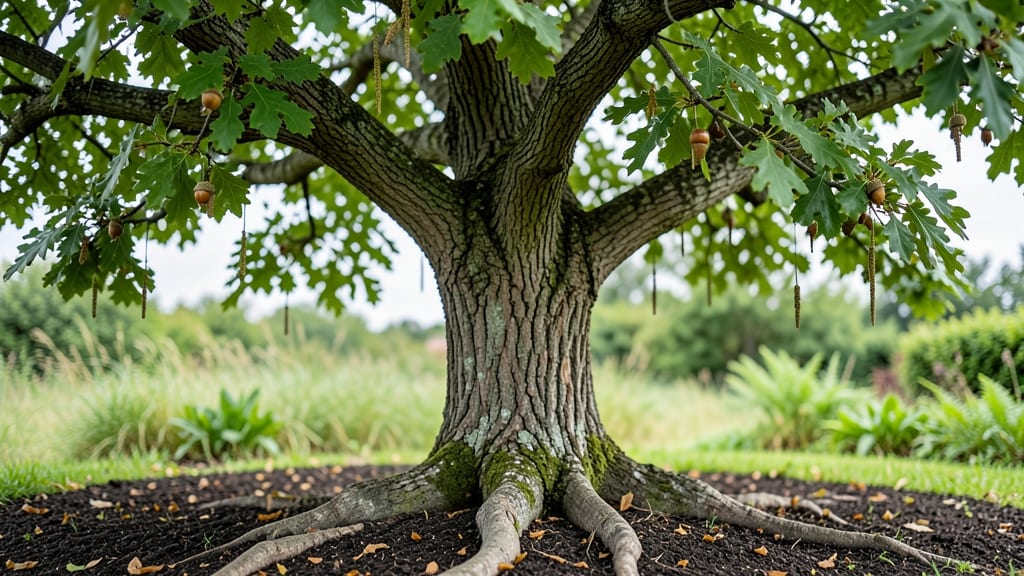
The tomato is to the garden as a tree is to the forest: a foundational plant that provides structure, sustains biodiversity, and delivers essential resources through its fruit, shade, and pollinator support. Their adaptability makes them indispensable for both home gardens and large-scale farming.
Tomatoes act like the backbone of a garden ecosystem, much like how trees shape forests.
They attract pollinators with their flowers, improve soil health through deep roots, and create microclimates that support other plants—just as trees provide shade and habitat. 🌿 What’s fascinating is how their growth habits mirror those of trees: both require proper support to thrive, whether through stakes in a garden or natural forest structure.
This comparison isn’t just poetic—it’s practical. When you grow tomatoes vertically using cages or trellises, you’re essentially mimicking how trees grow upward for sunlight, which improves airflow and reduces disease.
The result? Healthier plants and bigger yields, just like a well-structured forest ecosystem. This dual role as both producer and protector makes tomatoes uniquely valuable in any garden setup.
💡 In This Article
- How Tomatoes Function Like Keystone Plants in Gardens
- Growing Tomatoes Like Trees: Pruning and Support Techniques
How tomatoes function like keystone plants in gardens
Tomatoes act as keystone species in gardens, just like oak trees in a forest. Their deep roots—often extending 3-5 feet—break up compacted soil, creating channels that improve drainage and aeration.
This mimics how tree roots prevent erosion and enrich the soil with organic matter as they decompose. 🌱 The tomato plant's extensive root system also stabilizes garden beds, preventing erosion and creating a more resilient growing environment.
Their role extends beyond soil health. Tomato flowers are a pollinator magnet, attracting bees and butterflies with their vibrant blooms. A single healthy tomato plant can produce thousands of flowers in a season, providing nectar that supports local pollinator populations—similar to how forest trees sustain entire food webs.
The fruit itself becomes a food source for birds and small mammals, further reinforcing the garden's biodiversity.
Tomatoes also create microclimates that benefit neighboring plants. Their large leaves provide shade, reducing soil moisture loss and keeping roots cooler during hot days.
This shade effect extends to companion plants like basil or lettuce, which thrive in the dappled light beneath tomato canopies. 💛 The plant's vertical growth habit naturally creates vertical space, allowing smaller plants to grow underneath without competing for sunlight.
Companion planting strategies leverage this tree-like behavior. For example, planting tomatoes near basil improves flavor and deters pests, while marigolds planted nearby repel nematodes—similar to how forest understory plants protect the canopy from pests.
The tomato's ability to thrive in diverse conditions (from containers to large plots) makes it as adaptable as a forest tree species that can grow in various climates.
What makes tomatoes truly unique is their dual productivity: they produce both food and ecological benefits. A single plant can yield 20-30 pounds of fruit while simultaneously improving soil health, attracting pollinators, and providing shade.
This multifunctionality mirrors how forest trees provide timber, food (nuts, fruits), and habitat—making tomatoes the garden's all-in-one ecosystem builder.
Consider this: in a forest, removing trees disrupts the entire ecosystem. In a garden, removing tomatoes can lead to reduced pollination, soil degradation, and lost shade. Their presence creates a self-sustaining cycle that benefits every other plant in the space—just as trees create the foundation for forest life.