
Neem Oil
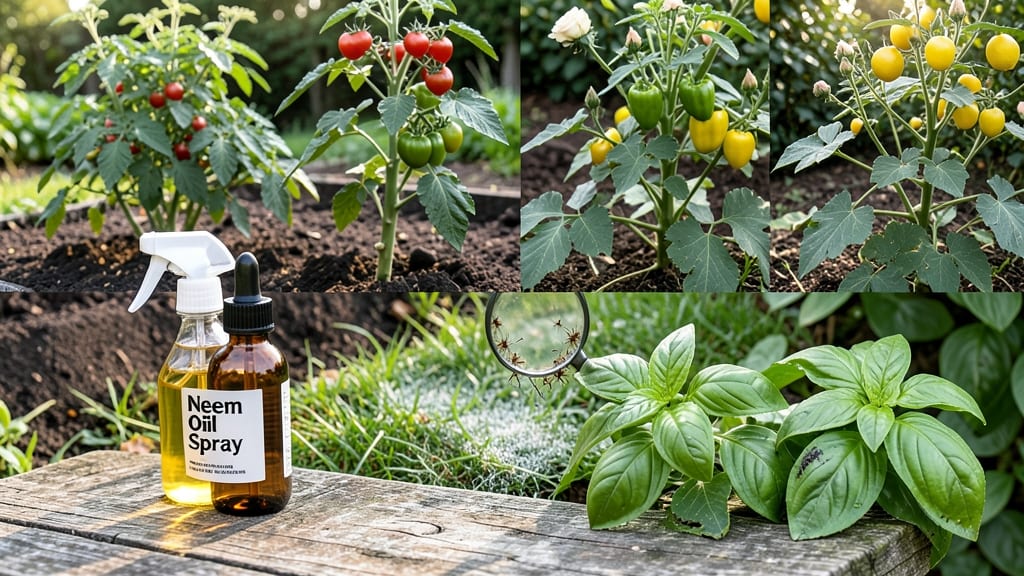
The uses for neem oil in the garden make it a versatile ally, functioning as a natural pesticide to deter pests like aphids, mites, and whiteflies, while also acting as a fungicide to combat diseases such as powdery mildew and black spot. Beyond plant protection, it enhances soil quality by decomposing organic matter and fostering beneficial microbial growth when applied thoughtfully.
The uses for neem oil in the garden come from its active compounds like azadirachtin, which disrupts pests' feeding and reproductive cycles. 🌱 Unlike harsh chemicals, it targets specific insects while being gentle on beneficial pollinators when used properly.
The oil's antifungal properties make it a go-to for preventing fungal infections, especially in humid climates. For soil health, it breaks down organic debris faster, creating a richer environment for earthworms and microbes that support plant roots.
When applying, I recommend diluting neem oil to 1-2 teaspoons per quart of water for sprays, and using it in early morning or late evening to avoid sunburn on plants.
The key is consistency—regular applications every 7-14 days during growing seasons provide the best protection. Just remember to shake well before each use, as the oil separates when stored.
💡 In This Article
- How Neem Oil Works as a Natural Garden Pest Repellent
- Best Ways to Apply Neem Oil for Soil and Plant Health
How neem oil works as a natural garden pest repellent
Neem oil's power comes from its complex mix of compounds, with azadirachtin being the superstar. This limonoid disrupts pests' hormonal systems, preventing them from feeding and reproducing.
When aphids or mites ingest it, their growth hormones get scrambled, leading to deformed larvae that can't mature. 🔥 The oil also contains nimbin and salannin, which act as repellents by masking plants' natural scents that attract insects.
Unlike synthetic pesticides that kill on contact, neem oil works systemically—pests avoid treated plants entirely.
The science gets even more fascinating when you consider how neem oil affects different pests. For soft-bodied insects like aphids, the oil creates a protective film on leaves that suffocates them over 24-48 hours.
Against fungal pathogens, compounds like gedunin and margosin disrupt cell membrane integrity, preventing spores from germinating. This is why neem oil works so effectively against powdery mildew—it starves the fungus at its earliest stages.
The oil's broad-spectrum nature means it targets over 200+ insect species while being far less toxic to mammals than chemical alternatives.
What makes neem oil safer than synthetic pesticides is its selective toxicity. Beneficial insects like bees and ladybugs generally avoid treated plants because the strong odor acts as a warning signal. Studies show that when applied correctly, neem oil reduces bee mortality by over 90% compared to neonicotinoids.
The key difference is timing—always apply in early morning or late evening when pollinators are least active. The oil's volatility means it breaks down in sunlight within 24-48 hours, reducing environmental persistence.
For gardeners dealing with fungal issues, neem oil's mechanism is particularly impressive. Fungal spores need specific conditions to germinate—moisture, warmth, and a suitable surface. Neem oil creates an unfavorable environment by coating plant surfaces with a thin hydrophobic layer that prevents water droplets from forming.
This physical barrier, combined with the fungicidal compounds, creates a double defense against diseases like black spot and anthracnose. The oil's ability to penetrate plant cuticles means it works both preventatively and curatively when applied at the first sign of infection.
One common misconception is that neem oil kills all insects indiscriminately. In reality, its effectiveness varies by pest type. For example, it's 90%+ effective against aphids and whiteflies but only 60-70% effective against harder-shelled pests like beetles. The oil works best as a preventative measure rather than a cure-all.
When used in combination with other natural methods like companion planting or beneficial nematodes, you create a truly integrated pest management system that's more effective than any single approach.
The sensory experience of using neem oil is worth noting too. The oil has a distinctive bitter almond smell that's unmistakable—this odor acts as both a warning to pests and an indicator to gardeners that the treatment is working.
After application, you'll notice leaves develop a slight sheen, which is the protective film that repels insects. While the smell can be strong initially, it dissipates quickly and doesn't linger like some chemical pesticides. This makes neem oil particularly appealing for organic gardens where maintaining a pleasant environment is important.
What most gardeners don't realize is how neem oil's properties change when combined with other natural ingredients.
For example, adding a small amount of dish soap (1 teaspoon per gallon) helps the oil spread more evenly on leaf surfaces, while garlic or cayenne pepper can enhance its repellent effects against specific pests.
The key is understanding that neem oil isn't a one-size-fits-all solution—its effectiveness depends on proper formulation, timing, and application technique. ✨