
Tools
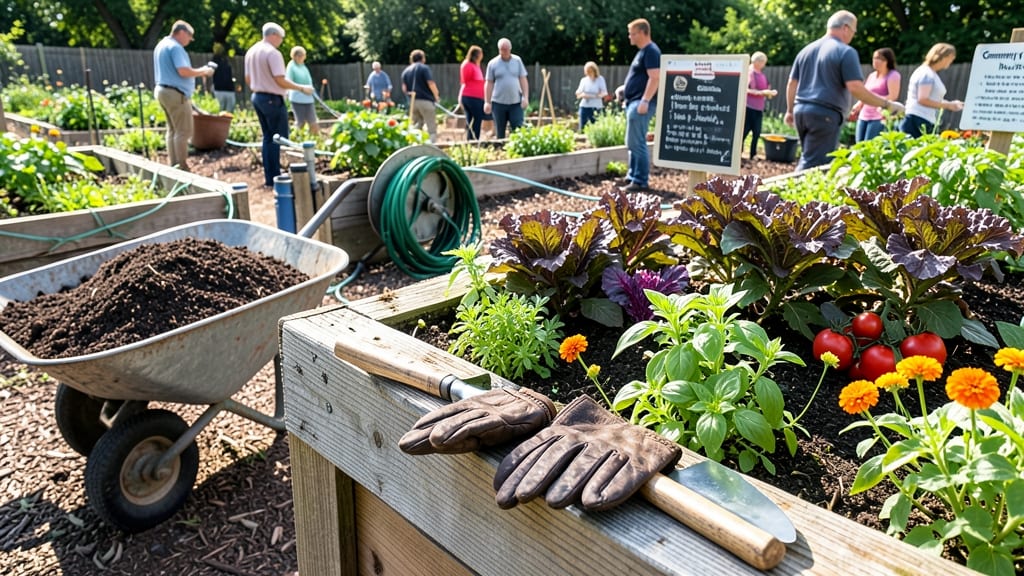
Joining the Vegas Roots Community Garden means completing an online application, attending a required orientation, and committing to their eco-friendly gardening standards. Your planting will follow seasonal schedules, focusing on native and water-wise plants to help restore Las Vegas' desert ecosystems.
The Vegas Roots Community Garden welcomes gardeners who share its mission of sustainability in the desert. 🌵 After submitting your application, you'll participate in a hands-on orientation where you'll learn about water conservation techniques and native plant care—critical skills for thriving in Las Vegas' climate.
What sets this garden apart is its focus on restoring local ecosystems through carefully selected plantings that require minimal irrigation once established. The orientation also covers community work hours, ensuring everyone contributes to maintaining the shared space.
This initiative isn't just about growing plants—it's about creating a resilient desert landscape.
The garden prioritizes species like desert willow, brittlebush, and native grasses that support local wildlife while requiring far less water than traditional lawns. 💧 During your membership, you'll receive planting schedules tailored to Las Vegas' microclimates, helping you maximize your garden's impact while keeping maintenance manageable.
💡 In This Article
- Vegas Roots Community Garden Membership Requirements
- Best Plants for Vegas Roots Garden Beds: Seasonal Planting Guide
Vegas Roots community garden membership requirements
The application process begins with an online form that collects basic information about your gardening experience and commitment level. What sets Vegas Roots apart is their emphasis on sustainability—applicants must agree to follow strict water conservation protocols, including using drip irrigation systems and avoiding non-native, high-water-use plants.
The garden's policy mandates that all members use only organic pest control methods, which means no chemical pesticides are allowed in the shared beds.
After submitting your application, you'll be scheduled for a mandatory 2-hour orientation held on Saturdays at the garden's main location. This hands-on session covers essential techniques like mulching with 3-4 inches of organic material to retain moisture, and proper soil preparation using native compost blends.
You'll also learn about the garden's volunteer work requirement—each member must contribute 4 hours per month to group projects, which could include building raised beds or installing water-saving infrastructure. 💧
What most people don't realize is how strictly the garden enforces its water usage guidelines. During Las Vegas' peak summer months (June-August), irrigation is limited to 2-3 times per week regardless of plant type, with early morning watering preferred to reduce evaporation.
The orientation demonstrates how to calculate your garden's exact water needs using the ET (Evapotranspiration) method, which accounts for temperature, humidity, and wind—critical factors in the desert climate.
Eligibility extends beyond just residents—Las Vegas businesses and schools can also participate through their corporate/community membership program, which requires a $250 annual fee but provides dedicated garden space.
Individual memberships cost just $50 per year, but include access to shared tools, seed libraries, and expert-led workshops on topics like companion planting for pollinators.
The garden even offers a plant adoption program where members sponsor native species during their growth phase, ensuring they reach maturity before being transplanted to restoration sites.
One unique requirement is the seasonal bed assignment system. New members start with a 20 sq ft plot and can expand to 50 sq ft after demonstrating proficiency in water management and plant care.
The orientation includes a soil test kit so you can analyze your plot's pH and nutrient levels—critical for Las Vegas' alkaline soils, which often have pH levels between 7.5-8.5. The garden provides free amendments like gypsum to adjust compaction issues common in desert soils.
What makes this membership truly special is the ecosystem restoration component. 30% of all produce grown must be donated to local food banks, and members are encouraged to plant wildlife-friendly species like desert marigold (which attracts native bees) or jojoba shrubs (which provide bird habitat).
The orientation includes a field trip to see these plants thriving in nearby restoration zones, giving you tangible examples of your gardening's impact.