
Vegetables
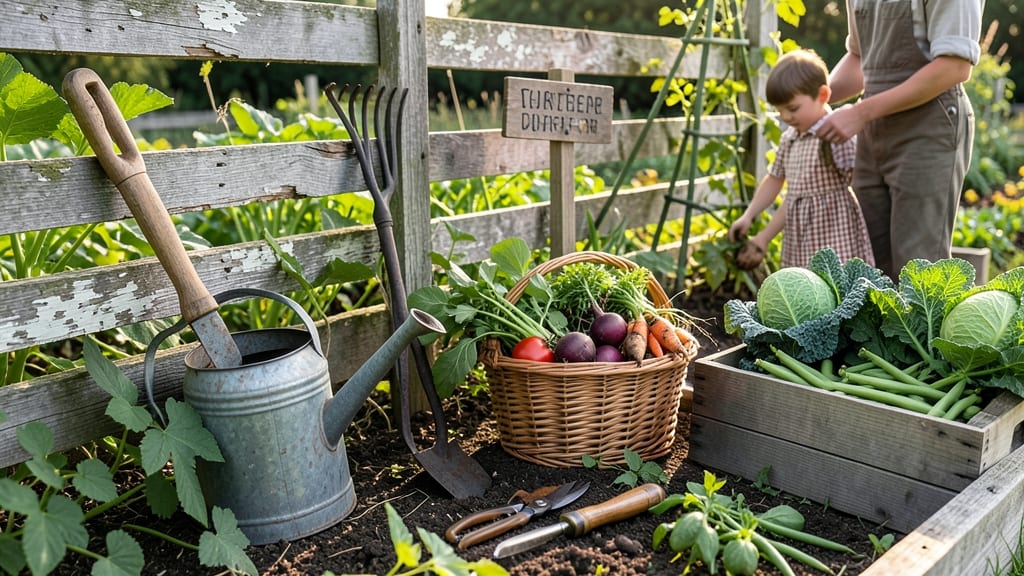
Victory gardens during WW2 became essential for families to grow their own vegetables, fruits, and herbs at home, directly addressing food shortages by cutting commercial supply demand and supporting the war effort through increased self-sufficiency.
These home gardens weren't just a wartime fad—they were a strategic response to rationing and labor shortages that left grocery shelves empty. 🌱 The U.S. government even launched campaigns like "Food Will Win the War," encouraging Americans to dedicate at least 40% of their land to growing food.
What's fascinating is how these gardens evolved from tiny urban plots to massive suburban operations, with some families producing thousands of pounds of produce annually. The impact went beyond just feeding families—it helped redirect commercial crops toward troops overseas.
What made victory gardens so effective was their focus on high-yield crops like potatoes, carrots, and tomatoes—foods that could be stored long-term or preserved through canning. Many families also grew herbs for cooking and medicinal uses, maximizing every square foot.
The government even provided free seeds and planting guides to make it accessible for everyone, proving that even small spaces could make a big difference during a crisis.
💡 In This Article
- How WW2 Victory Gardens Conserved Food Supplies
- Best WW2 Victory Garden Plants for Small Spaces
How WW2 victory gardens conserved food supplies
The core purpose of victory gardens during WW2 was to address the critical shortage of commercial food supplies caused by rationing and wartime priorities. With meat, dairy, and canned goods heavily rationed, families faced empty shelves and limited options.
The U.S. government responded by launching the "Food Will Win the War" campaign in 1942, encouraging citizens to grow their own food. This wasn't just about feeding families—it was about freeing up 40% of commercial crops for military use overseas, where troops needed fresh supplies.
Here's how it worked: Victory gardens produced 40% of all vegetables consumed in the U.S. by 1943, with an estimated 8 million tons of food grown annually.
The focus was on high-yield, storable crops like potatoes (which could be stored for months), carrots (rich in vitamin A), and tomatoes (versatile for fresh eating, canning, or sauces). These crops required minimal processing, unlike canned goods that needed scarce metal resources.
The government even distributed 30 million seed packets in 1943 alone, ensuring everyone had access to planting materials.
Labor shortages made this even more critical. With 16 million men serving in the military by 1945, farms lost workers, reducing commercial agricultural output. Victory gardens filled this gap by utilizing women, children, and elderly citizens—groups previously excluded from farm work.
The physical act of gardening became a patriotic duty, with families planting everything from lettuce to onions in backyard plots, window boxes, and even vacant lots. This collective effort wasn't just practical; it fostered community resilience during uncertain times.
What's often overlooked is how victory gardens reduced transportation demands. Fresh produce grown locally eliminated the need to transport food across states, saving fuel and reducing strain on the already overburdened rail system.
The U.S. Department of Agriculture reported that victory gardens saved enough food to feed 20 million people annually—equivalent to feeding every man, woman, and child in New York, Chicago, and Philadelphia combined.
This conservation effort extended beyond food to preserve resources like rubber (for canning lids) and metal (for rationed goods).
The psychological impact was equally significant. During rationing, families often faced limited variety in their diets, with staples like butter and sugar heavily restricted. Victory gardens provided fresh, flavorful produce that lifted spirits and improved nutrition.
For example, a family growing their own tomatoes could enjoy fresh slices instead of relying on canned tomatoes with added salt or sugar. The aroma of homegrown herbs like basil or parsley added sensory comfort during a time of scarcity. 🌱
Perhaps most importantly, victory gardens demonstrated how decentralized food production could stabilize a nation under crisis. The model proved so effective that the concept persisted long after WW2, influencing modern community gardens and urban farming movements.
Today, we can see echoes of this wartime strategy in initiatives like "Victory Gardens 2.0," where families grow food to combat modern supply chain disruptions and promote self-sufficiency.