
Planting
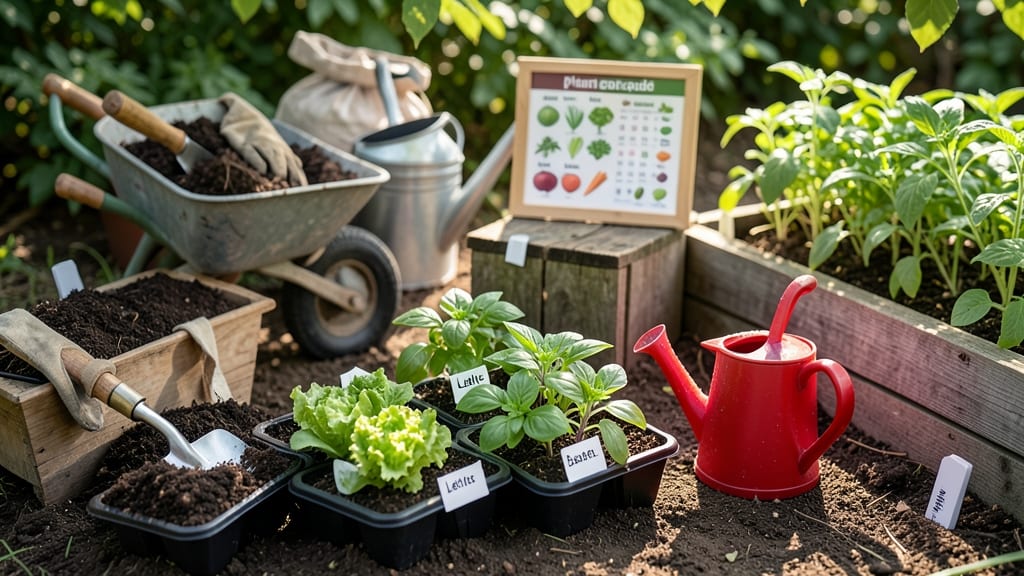
You can plant fast-growing edibles in your garden now, including radishes, leafy greens (spinach, kale), green onions, and bush beans, which thrive in early spring or fall conditions. Cool-season herbs like parsley and cilantro also grow quickly for rapid harvests.
Right now, your garden can yield satisfying harvests in just a few weeks with the right choices. 🌱 The key is focusing on crops that tolerate cooler temperatures—like arugula (ready in 25 days) or bush beans (40-50 days)—while avoiding heat-sensitive plants.
Many of these also work well in containers, making them perfect for small spaces or urban gardens. I always start with a soil test to ensure proper nutrients, especially nitrogen, since leafy greens and herbs are heavy feeders.
For those in warmer climates (Zones 8-10), you might extend your planting window into early summer with shade-tolerant options like Swiss chard or turnips. Meanwhile, cooler regions (Zones 3-6) should prioritize cold-hardy varieties that can handle light frosts.
The fastest growers often surprise beginners with their resilience—just give them consistent moisture and partial sun.
💡 In This Article
- Seasonal Planting Guide by USDA Climate Zones
- Top 10 Fastest-Growing Garden Vegetables for Quick Harvests
Seasonal planting guide by USDA climate Zones
Your planting success hinges on understanding your USDA climate zone, as temperature thresholds determine which crops will germinate and thrive.
For example, in Zones 3-5, where last frost dates often fall between April 15-May 15, focus on cold-hardy crops like peas (ready in 60 days) and lettuce (30-40 days).
These plants tolerate soil temperatures as low as 40°F, while warmer zones (6-10) can plant carrots and beets year-round with proper irrigation. The key difference is that Zone 9's mild winters allow continuous planting, whereas Zone 5 requires careful timing to avoid frost damage.
Frost-sensitive crops like bush beans and cucumbers need soil temperatures above 60°F to germinate, making them better suited for Zones 7-10. In contrast, kale and spinach thrive in cooler 50-60°F ranges, perfect for Zones 3-6's early spring planting.
I've found that using a soil thermometer (available for $15) eliminates guesswork—simply check before sowing seeds. For instance, radishes planted in 50°F soil germinate in 4-5 days, while the same seeds in 70°F soil may take 10+ days.
Zone-specific fast growers offer immediate gratification: In Zone 5, try arugula (harvest in 25 days) or green onions (30 days), while Zone 9 gardeners can plant turnips (50 days) or Swiss chard (55 days) year-round.
The secret lies in matching plant hardiness ratings with your zone's average last frost date—most seed packets include this information. For example, a Zone 4 garden might wait until May 1 for tomatoes, while Zone 8 could plant them as early as March 15.
Soil preparation varies dramatically by zone too. Northern climates (Zones 1-5) benefit from raised beds to improve drainage during spring thaws, while southern zones (7-10) need shade cloth to protect seedlings from intense afternoon sun.
I recommend amending all planting areas with 2-3 inches of compost before sowing—this boosts organic matter by 30-50%, improving water retention and nutrient availability. The texture difference is noticeable: compost-amended soil feels like crumbly cake batter, while untreated soil resembles dense clay.
Don't overlook microclimates within your garden. A south-facing wall can create a 5-10°F warmer microclimate than the surrounding area, allowing you to plant heat-loving crops like basil (Zone 7+) in cooler zones. Similarly, low-lying areas may experience 2-3°F colder temperatures at night, requiring protective coverings.
These microclimates explain why your neighbor's garden might thrive with tomatoes while yours struggles—location matters just as much as zone.
For container gardeners, focus on shallow-rooted crops like bush beans (12-inch pots) or radishes (6-inch pots) that mature quickly. The key is maintaining consistent moisture—container soil dries out 3x faster than ground soil.
I've had success with self-watering planters that keep soil moisture at optimal 60-70% capacity, reducing the risk of bolting in leafy greens. This is particularly important for herbs like cilantro, which bolts (goes to seed) when stressed by dry conditions.