
Planting
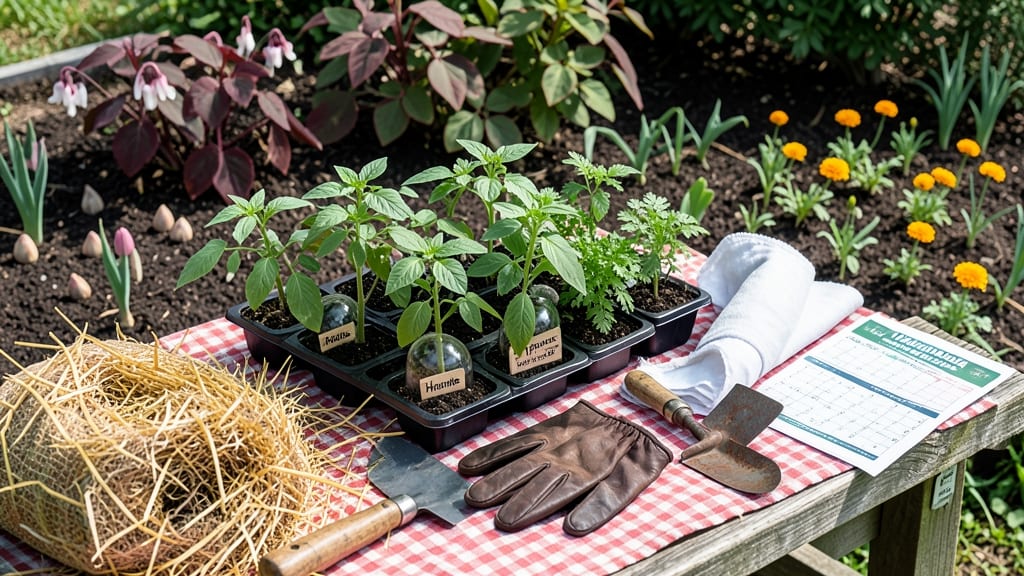
The best time to plant a garden in Michigan is between mid-April and mid-June for most vegetables 🌱—timing that avoids late frosts while giving plants enough warmth to thrive.
Michigan’s unpredictable springs and frosty autumns can turn gardening into a high-stakes guessing game—but timing your plantings just right ensures a thriving harvest instead of wilted disappointment.
Cool-season crops like spinach and peas can go in as early as March, while tomatoes and peppers need to wait until after the last frost, usually around mid-May in USDA Zones 5b-6a.
Below, I’ll break down the exact planting windows for every crop, plus pro tips to stretch your growing season and protect your plants from Michigan’s unpredictable weather.
Michigan planting calendar by USDA Zone: exact dates for zero-frost success
Michigan’s USDA Zones 5b and 6a create a unique gardening puzzle—where last frost dates can swing wildly between April 15 and May 15, depending on whether you’re in the Upper Peninsula’s chillier climes or the Lower Peninsula’s warmer pockets.
My years of gardening here taught me that timing isn’t just about dates—it’s about soil warmth, heatwave prep, and microclimates that can turn a failed crop into a bumper harvest.
For cool-season crops like spinach, peas, and kale, I plant 4-6 weeks before the last frost—often as early as mid-March in protected beds.
Meanwhile, warm-season powerhouses like tomatoes, peppers, and cucumbers demand soil temps above 60°F and wait until 2-3 weeks after the last frost, usually late May to early June. But here’s the catch: Upper Peninsula gardeners often play by 2 weeks later than their Lower Peninsula neighbors.
Last frost averages are your best friend, but they’re not gospel. I rely on Michigan State University’s frost maps and track local weather patterns—because a late-May frost in Traverse City can wipe out my tomato seedlings overnight. That’s why I’ve created this zone-specific calendar to help you avoid those heartbreaking losses.
| Season | Crop Type | Planting Window (Zone 5b/6a) | Key Notes | Upper Peninsula Adjustment |
|---|---|---|---|---|
| Early Spring | Cool-Season | March 15 - April 15 | Spinach, peas, lettuce, kale. Use row covers for frost protection. | Wait 2-3 weeks longer. |
| Late Spring | Warm-Season | May 1 - June 1 (after last frost) | Tomatoes, peppers, cucumbers. Soil must be 60°F+. | Wait until June 1-15. |
| Summer | Succession | June - August | Bush beans, radishes, carrots. Plant every 2 weeks. | Shorten window by 3 weeks. |
| Fall | Cool-Season | August 15 - September 15 | Broccoli, cabbage, Swiss chard. Harvest before hard frost. | Start 1 month earlier. |
| Critical Dates | All Zones | Last Frost: April 15 (Lower) / May 1 (Upper) | First Frost: October 15 (Lower) / October 1 (Upper) | Frost-free days: 150-180. |
Let’s break down the three critical planting phases that define Michigan’s growing seasons. First, early spring is all about hardy cool-season crops. I start spinach and peas in mid-March under row covers or in a cold frame to jumpstart growth.
The Upper Peninsula’s shorter season means I delay these plantings until April 1 to avoid late-spring frosts that can kill tender seedlings.
Next comes the warm-season rush—my favorite part of the year. Tomatoes, peppers, and eggplants need warm soil and consistent heat, so I wait until late May to early June after the last frost date. Pro tip: Use a
5 Critical factors that determine your Michigan planting timeline (beyond the calendar)
Michigan’s last frost dates can swing by weeks—sometimes even overnight—making generic planting guides unreliable. While most sources suggest mid-May for warm-season crops, your actual timeline depends on soil science, not just the calendar.
I’ve learned the hard way that tomatoes planted too early in chilly soil stunt growth, while peppers planted after the last frost still struggle if nights dip below 50°F. The key? Pay attention to these five data-driven factors instead of blindly following dates.
First, soil temperature is your #1 indicator. Most warm-season crops like cucumbers and beans need soil at 60°F or warmer to germinate, while cool-season crops like kale and spinach thrive in 45-55°F soil.
A soil thermometer ($10 at garden centers) reveals the truth—my 2023 early May planting failed because soil was still 52°F, even though air temps hit 70°F. Always check 2-3 inches deep, where roots actually grow.
Next, frost depth matters more than frost dates. A light 28°F frost can kill young seedlings, but a 32°F frost with wind? Catastrophic. Michigan’s Upper Peninsula often sees deeper frosts than the Lower Peninsula, so adjust your timeline 1-2 weeks later if you’re north of USDA Zone 5b.
I use the Michigan State University frost maps to track 32°F depth—last year, my Detroit garden had 1.5-inch deep frost in early October, while Traverse City saw 3-inch frosts by mid-September.
- 🌡️ Soil Temperature: Warm-season crops need 60°F+ soil; cool-season crops 45-55°F. Use a soil thermometer (not air temp!).
- ❄️ Frost Depth: A 32°F frost with wind is deadlier than a light 28°F frost. Check MSU frost maps for your region.
- ☀️ Solar Exposure: South-facing beds warm 5-10°F faster than north-facing. Plant heat-lovers (peppers, tomatoes) on south sides first.
- 🌬️ Wind Patterns: Open fields lose 10-15°F faster at night. Use windbreaks (fence, hedges) or choose wind-resistant varieties like ‘Early Girl’ tomatoes.
- 📊 Microclimates: Urban areas are 2-5°F warmer than rural zones. Test your spot with a minimum-maximum thermometer for 2 weeks.
Solar exposure creates microclimates that override regional averages. My south-facing raised bed hits 80°F soil by late April, while the north side of my shed lingers at 50°F until mid-May. Plant heat-sensitive crops like lettuce on cooler, shadier spots, and reserve full sun for tomatoes, peppers, and squash. A sun gauge (or even a DIY shadow tracker) helps map your yard’s heat zones.
Don’t underestimate wind patterns, especially in Michigan’s Lake Effect zones. A 10 mph wind can drop nighttime temps by 10-15°F, shocking tender seedlings. Last year, my cucumber plants on the exposed side of the garden wilting overnight while identical plants near the fence thrived.
Solutions? Plant windbreaks (even a corn stalk fence helps) or choose compact, bushy varieties like ‘Patio’ tomatoes that recover faster.
Finally, microclimates turn Michigan’s USDA Zone 5b/6a into a patchwork of Zone 4 to Zone 7 pockets. Urban areas with concrete and pavement can be 2-5°F warmer than nearby farms, while low-lying spots hold cold air longer.
Before planting, place a minimum-maximum thermometer in your garden for 2 weeks to record real temps. I’ve seen Detroit gardens plant tomatoes in early May while 10 miles north in Oakland County still had frost risk.
Tools like soil thermometers, frost depth gauges, and wind speed meters cost less than $50 total and save you from wasted seeds and stunted plants. Next spring, skip the calendar and let data guide your timeline—your tomatoes (and wallet) will thank you. 🌿