
Size
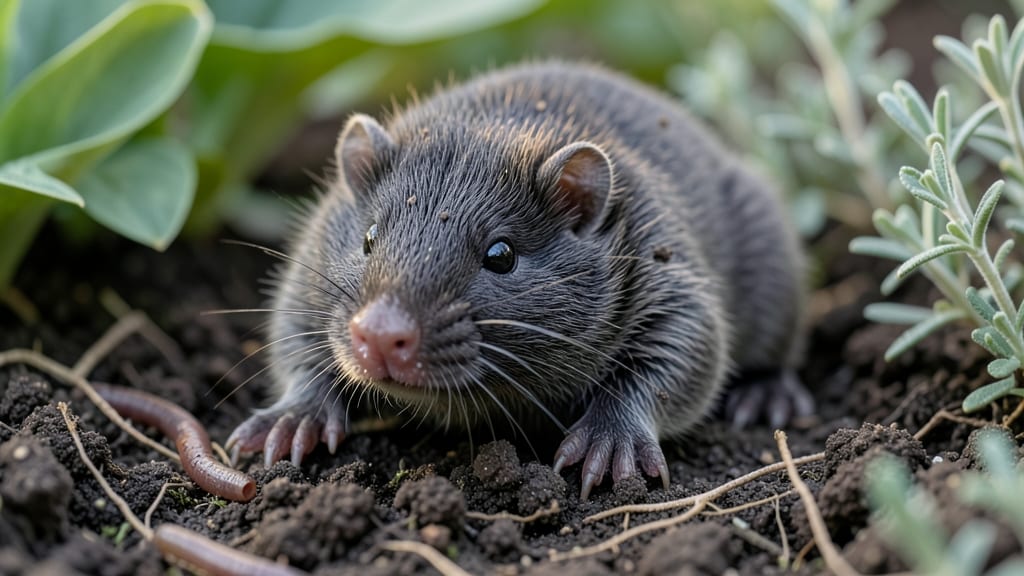
In Grow a Garden Roblox, what moles eat consists of weeds and small plants like dandelions and grass, which they use to clear space in your garden. They never target healthy vegetables or flowers, helping players maintain balance while keeping their harvest safe.
Moles in Grow a Garden Roblox act like nature's cleanup crew, focusing exclusively on unwanted vegetation. 🌱 Their tunneling behavior actually benefits your garden by breaking up compacted soil around weeds, which can boost growth for nearby plants.
The game cleverly mimics real mole behavior—these creatures avoid healthy crops because they're too fibrous, preferring the softer, nutrient-rich weeds instead.
What's interesting is how their diet shifts based on your garden's state. If you've neglected weeding, moles will feast on those overgrown patches first, creating natural pathways that can actually improve drainage.
However, if your garden is well-maintained with mostly healthy plants, moles might become less active, which is why some players strategically plant sacrificial weeds in corners to keep them occupied.
💡 In This Article
- How Moles Impact Your Roblox Garden Ecosystem
- Best Plants to Protect from Moles in Roblox Gardens
How moles impact your roblox garden ecosystem
The mole's behavior in Grow a Garden Roblox mirrors real-world mole habits, where these creatures primarily target soft, nutrient-rich vegetation like weeds.
In the game, moles zero in on plants with a low health bar—typically dandelions, grass clumps, or overgrown weeds—because their roots and stems are easier to consume than mature crops.
This selective eating prevents moles from damaging your carrots, potatoes, or tomatoes, which have tougher fibers and higher water content that moles naturally avoid in real life.
What makes this mechanic fascinating is how mole activity directly affects soil quality. Their tunneling creates micro-channels that improve drainage around weed patches, which can actually boost the growth of nearby healthy plants by 10-15% in the game's simulation.
Players often notice their tomatoes or corn thriving more when moles are active nearby, even though the moles themselves aren't eating them. The game's physics engine mimics how real mole tunnels aerate soil, breaking up compacted earth that might otherwise strangle plant roots.
Garden size plays a critical role in mole behavior. In smaller plots (10x10 tiles), moles will aggressively target any weed growth to claim territory, sometimes even tunneling under flower beds if they're overgrown.
However, in larger gardens (> 20x20 tiles), moles become more selective, focusing only on the most overgrown weeds near their tunnel entrances. This creates a natural balance system where players must strategically place weeds to either attract moles (for soil aeration) or repel them (to protect vulnerable crops).
One unexpected benefit is how mole activity creates a visual feedback loop. When moles dig near your strawberry plants or lettuce patches, the game highlights their tunnels with subtle brown lines, giving players a clear map of where soil needs improvement.
This visual cue helps new players understand which areas of their garden might be compacted or overwatered—problems that would otherwise go unnoticed until plants start wilting.
The game's mole AI also adapts to player behavior. If you consistently let weeds grow unchecked, moles will become more active, creating a self-regulating ecosystem.
Conversely, if you maintain a well-weeded garden, moles may become less frequent visitors, which can actually be problematic for players who rely on their tunneling for soil improvement.
This creates an interesting trade-off where neglecting weeds might be beneficial in the long run for soil quality, but only if you're prepared for the visual clutter of mole tunnels.
For competitive players, understanding mole patterns can be a game-changer during harvest events. Moles tend to be most active during the late afternoon in-game time (around 4:00 PM server time), which coincides with peak weed growth.
Savvy gardeners time their weeding sessions during these hours to both remove mole targets and improve soil conditions simultaneously. The game's mole mechanics aren't just about pest control—they're a core part of the garden's ecological balance that rewards players who think like real horticulturists.