
Planting
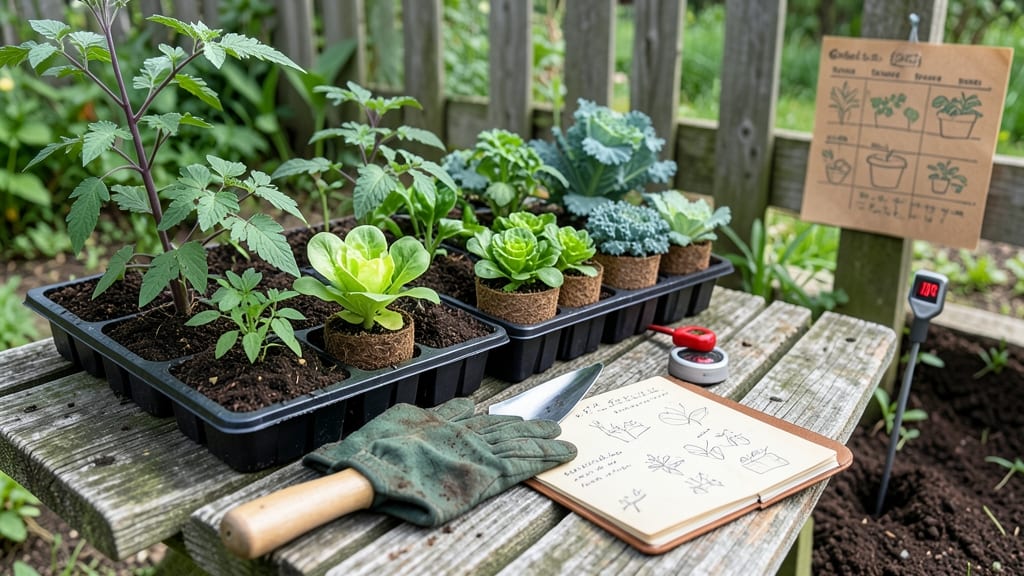
Planting a vegetable garden in Ontario starts two to four weeks before your last spring frost — timing that balances cold-hardy crops with warm-season favorites.
Ontario’s unpredictable spring weather can turn a gardener’s excitement into frustration—planting too early risks frost damage, while waiting too long shortens your harvest. Timing is everything, and mastering Ontario’s planting zones will help you grow a thriving vegetable garden.
Southern Ontario’s milder climate lets you plant earlier than the north, but even a two-week difference can mean the difference between a bumper crop and a sad, wilted mess. Cold-hardy greens like spinach and peas can handle frost, while tomatoes and peppers need warm soil to thrive.
Below, I break down the exact weeks to start seeds indoors, transplant outdoors, and adjust for late frosts—plus a month-by-month checklist to keep your garden on track from February to October.
Ontario’s planting zones: when to start cold-hardy vs warm-season vegetables
Ontario spans USDA Plant Hardiness Zones 3-7, meaning frost dates vary dramatically from Northern Ontario’s late May last frost to Southern Ontario’s mid-April.
This range forces gardeners to strategize carefully—cold-hardy crops like spinach and peas thrive in chilly soil, while warm-season vegetables like tomatoes and peppers need consistent warmth to thrive. Understanding your zone’s average last frost date is the first step to avoiding frost damage or missed harvest windows.
For Zone 3-4 (Northern Ontario), where frost lingers until mid-to-late May, focus on early cold-hardy starts indoors in March. In Zone 5-7 (Southern Ontario), you can plant warm-season crops directly outdoors by late April—but always have a backup plan for late frosts.
My rule of thumb? Wait until soil reaches 10°C (50°F) before planting warm-season seeds or seedlings.
Here’s the key distinction: Cold-hardy crops (e.g., kale, peas, radishes) can handle light frosts and even germinate in cool soil (5-10°C/41-50°F). Meanwhile, warm-season plants (e.g., tomatoes, peppers, cucumbers) need soil temperatures above 15°C (60°F) and consistent warmth to avoid stunted growth.
A soil thermometer is your best friend here—don’t guess!
Let’s break it down by zone. Zone 3-4 gardeners should start cold-hardy seeds indoors in March and transplant after the last frost (mid-May). Zone 5-6 gardeners can direct-sow cold crops in early April and warm crops after last frost (late April-early May). Zone 7 gardeners enjoy the longest growing season, with warm crops going in by mid-April—but even here, late frosts can sneak in.
| Zone | Avg. Last Frost | Cold-Hardy Start (Indoors) | Cold-Hardy Direct Sow | Warm-Season Start (Indoors) | Warm-Season Transplant |
|---|---|---|---|---|---|
| Zone 3-4 | Mid-to-late May | Mid-March | Early May | Late March | Early June |
| Zone 5 | Late April-early May | Early March | Early April | Late February | Mid-May |
| Zone 6 | Early-to-mid May | Early March | Early April | Late February | Late April |
| Zone 7 | Early April | Late February | Early March | January | Mid-April |
For Zone 3-4 gardeners, the last frost window is critical. I always recommend using row covers to extend the season for warm-season plants like peppers, which can’t handle frost.
In my Zone 4 garden, I start tomato seedlings indoors in late March and keep them under grow lights until mid-May, when I harden them off before transplanting. This extra time ensures they’re ready to thrive after the last frost.
In Zone 5-7, where springs arrive earlier, the challenge shifts to avoiding bolting in fast-maturing crops like lettuce. For example, spinach sown in late August will overwinter and produce sweet spring harvests—but if planted too early in spring, it bolts quickly.
Timing is everything! I’ve learned to stagger plantings for continuous harvests, especially for leafy greens and radishes.
Pro tip: Use local frost date resources like the Canadian Hardiness Zone Finder or your local agricultural college’s weather station. My Zone 5 garden in Waterloo has seen late frosts as late as June 1st, so I never plant cucumbers outdoors before June 10th.
When in doubt, err on the side of waiting—a few extra weeks of warmth are better than frost-killed seedlings.
For warm-season vegetables, soil temperature matters more than air temperature. I test soil warmth with a soil thermometer—if it’s below 15°C (60°F), even tomato seedlings will struggle.
In Zone 6, I wait until late May to transplant peppers, even if the air feels warm. Cold soil slows root growth, leading to stunted plants. Patience pays off!
How to adjust planting times for Ontario’s unpredictable weather patterns
Ontario’s unpredictable spring weather can leave even experienced gardeners guessing about the best time to plant. While last frost dates provide a general guideline, sudden temperature drops or early warmth can throw off your entire planting schedule.
The key is flexibility—using tools like row covers and cold frames to extend your growing season while avoiding common mistakes like planting tomatoes before the soil warms.
One of the biggest mistakes I see is relying solely on calendar dates instead of soil temperatures and local weather patterns. For example, warm-season crops like peppers and cucumbers need soil that’s at least 15°C (60°F) before planting.
Testing your soil with a soil thermometer gives you a more accurate picture than guessing. Meanwhile, cold-hardy crops like spinach and kale can handle frost, but planting them too early in cold, wet soil leads to rot.
To stay ahead of Ontario’s variable frost dates, I recommend tracking your local frost history. The Canada Agriculture and Food Museum and Environment Canada provide frost-free date maps, but I also keep a personal log of when frost hits in my area.
For instance, in Zone 5 (Southern Ontario), the average last frost is around May 15, but it can vary by 10-14 days either way. Adjusting your planting timeline by a week or two based on your observations can make all the difference.
⚠️ callout warning ⚠️
Tomatoes are warm-season plants that won’t thrive if planted in cold soil. If you plant them before the soil reaches 15°C (60°F), their roots struggle to absorb nutrients, leading to stunted growth or even death. Wait until late May or early June in most of Ontario to ensure success.
💡 Pro Tip: Use a soil thermometer to check temperatures before planting. If it’s too cold, opt for transplants instead of seeds—they’ll establish faster once conditions improve.
Extending your growing season with row covers or cold frames is a game-changer for Ontario gardeners. A floating row cover (a lightweight fabric) can protect plants from light frosts and even extend your harvest into early fall.
For example, I use row covers to plant lettuce and radishes as early as April, giving me a head start on the season. Cold frames, which are like mini greenhouses, can push the limits even further—letting you grow spinach and peas well into October in milder years.
Another trick I swear by is succession planting. Instead of planting all your carrots or beans at once, stagger your plantings every 2-3 weeks. This ensures a steady harvest and reduces the risk of losing everything to a late frost.
For instance, I plant a batch of bush beans in early June, another in late June, and a final one in early July. By the time the first batch matures, the second is ready to harvest, and the third is just getting started.
Finally, don’t forget to monitor weather forecasts and have a backup plan. If a late frost warning pops up, be ready to cover tender plants with old blankets or frost cloth.
I also keep a few potted plants on hand—like tomato or pepper seedlings—so I can move them indoors if needed. With these strategies, you’ll turn Ontario’s unpredictable weather into an advantage, not a setback.