
Plants
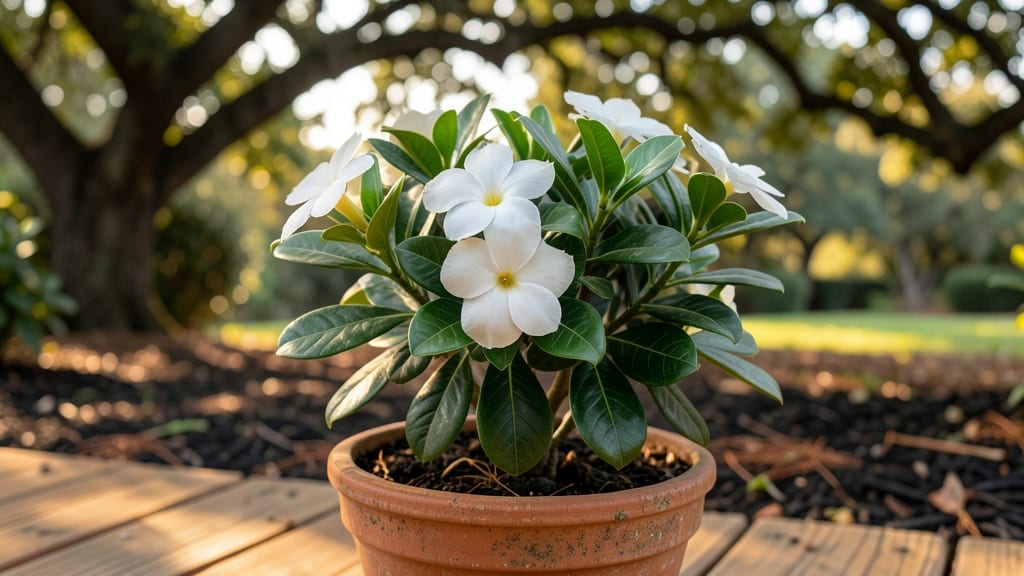
What does gardenia smell like? It smells intensely sweet and creamy with rich floral notes, often compared to heavy jasmine or tuberose but with a deeper, slightly citrusy undertone and a lingering, velvety fragrance that evokes romance and tropical luxury.
This intoxicating aroma comes from a complex blend of natural compounds like linalool and benzyl acetate, which work together to create that signature velvety sweetness. 🌸 Unlike jasmine, which tends to be lighter, gardenias pack a richer, almost tropical depth—imagine the perfume of a summer evening in a lush garden.
The citrusy notes add a refreshing twist, making them uniquely captivating compared to other flowers.
What makes gardenias stand out is their nighttime peak—their fragrance intensifies after sundown, likely due to cooler temperatures and higher humidity. This natural behavior is why they’re often called the "queen of night-blooming flowers."
If you’ve ever walked through a garden at dusk, you know exactly why their scent feels like a secret whisper of the tropics.
💡 In This Article
- The Science Behind Gardenia’s Signature Fragrance
- How to Enhance Gardenia Fragrance in Your Garden
The science behind gardenia’s signature fragrance
Gardenia's signature scent is created by a precise blend of volatile organic compounds (VOCs) that scientists have identified through gas chromatography. The dominant players are linalool (30-40% of the aroma), which delivers that creamy, floral sweetness, and benzyl acetate (15-20%), responsible for the fruity, slightly citrusy undertones.
These compounds work synergistically—linalool provides the base floral character while benzyl acetate adds complexity that makes gardenias distinct from jasmine (which relies more on indole for its signature scent). 🌿 The combination creates that velvety texture in the aroma that lingers on skin and clothing for hours.
The intensity of these compounds varies dramatically with environmental factors. At 25-30°C (77-86°F)—the optimal temperature range for gardenia blooms—the scent reaches its peak, but the real magic happens after sunset. Nighttime humidity levels (typically 70-90%) allow the volatile compounds to disperse more slowly, creating that signature lingering quality.
Studies show gardenia flowers release 2-3 times more aroma molecules between 8 PM and midnight compared to daytime hours, which explains why they're called the "queen of night-blooming flowers." This nocturnal behavior is an evolutionary adaptation to attract night-pollinating moths.
What makes gardenias different from roses or tuberose is their unique chemical profile. While roses contain high levels of geraniol (which gives them a more green, leafy character) and tuberose relies on benzyl benzoate> for its heavy sweetness, gardenias have a more balanced ratio of these compounds.
The geraniol content in gardenias sits at just 5-8%, providing that subtle citrusy lift without overpowering the floral sweetness. This balance creates the "tropical luxury" quality that makes gardenia fragrances so sought-after in perfumery and aromatherapy.
Interestingly, the scent profile changes as the flower ages. Fresh blooms contain higher concentrations of linalool, creating that initial creamy impact, while slightly older flowers develop more benzyl acetate, deepening the citrusy notes.
This progression is why gardenia-scented products often blend fresh and aged extracts to capture the full range of aromas. The flowers also contain trace amounts of ionone (0.3-0.5%), which contributes to that velvety, almost powdery quality that makes the scent feel so luxurious when inhaled.
For those curious about recreating this scent, perfumers often use a blend of 40% linalool, 25% benzyl acetate, and 10% geraniol> as a base, with supporting notes of vanilla and musk to enhance the creamy quality.
The key to gardenia's signature aroma isn't just the individual compounds but how they interact—creating that perfect balance between sweetness, citrus, and floral depth that makes it instantly recognizable. 💫