
Planting
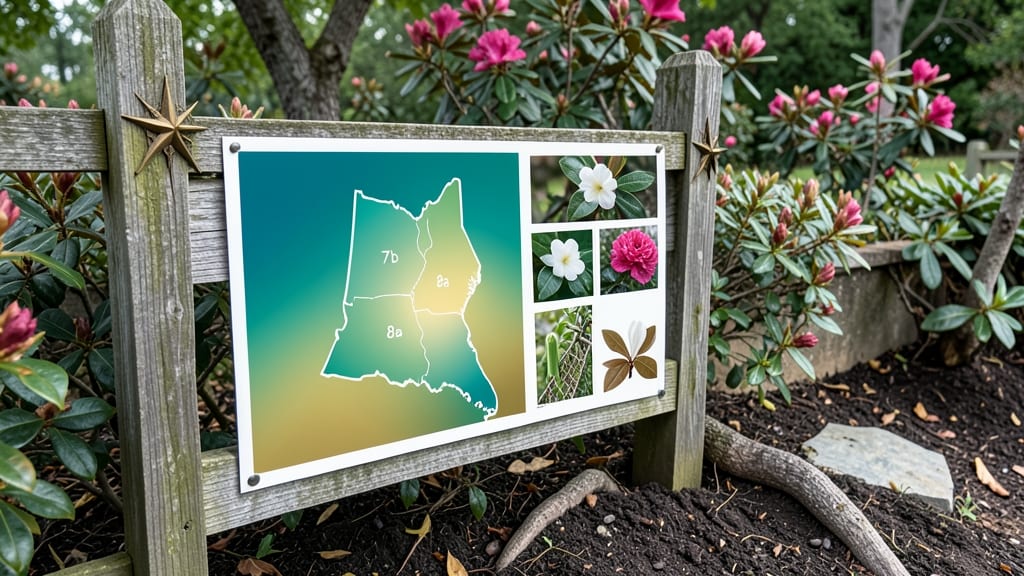
Alabama's gardening zones range from USDA Zone 6 in the northern mountains to Zone 9 along the Gulf Coast, with most of the state falling in Zones 7 and 8.
Alabama's varied geography—from the Appalachian foothills to the coastal plains—creates these distinct zones. 🌿 The northern mountains like Huntsville experience colder winters (Zone 7), while the southern Gulf Coast areas like Mobile enjoy warmer winters (Zone 9).
This variation means you can grow everything from cold-hardy peonies in the north to tropical hibiscus in the south, all within the same state. Elevation plays a key role too: higher areas can be 5°F colder than nearby lowlands, so always check your exact location's microclimate before planting.
For example, if you're gardening in Birmingham (Zone 7b), you'll want to choose plants that tolerate brief freezes, while Mobile gardeners (Zone 9a) can grow citrus trees year-round.
Urban areas might experience heat islands that push zones up by half a level, so always verify with your local extension office for precise planting guidance.
💡 In This Article
- How Alabama’s Geography Creates Unique USDA Zones
- Best Plants for Alabama’s Diverse Gardening Zones
How Alabama’s geography creates unique USDA zones
Alabama’s gardening zones are shaped by dramatic geographical contrasts. The northern Appalachian highlands—like the areas around Huntsville—plunge into Zone 6 due to higher elevations and colder winter winds, where temperatures can dip to -10°F during extreme freezes.
Meanwhile, the Gulf Coast stretches into Zone 9, where Mobile’s proximity to the warm waters of the Gulf moderates winters, keeping lows above 20°F most years. This 15°F+ temperature swing between north and south creates ideal conditions for both cold-hardy perennials and subtropical plants.
The USDA’s zone map accounts for average annual minimum temperatures over a 30-year period, but Alabama’s microclimates add complexity.
For instance, Birmingham’s urban heat island effect can push temperatures 2-5°F warmer than rural areas just miles away, making Zone 7b more suitable for heat-loving plants than the official map suggests.
Elevation alone can shift zones by half a level—Mount Cheaha (the state’s highest point at 2,407 feet) sits in Zone 6, while nearby valleys drop into Zone 7, creating pockets where frost lingers longer in high areas.
Latitude plays a critical role too: northern Alabama’s 34°-35° N latitude receives more direct sunlight in winter, warming soils faster than the Gulf Coast’s 30°-31° N areas, which benefit from maritime influence.
This explains why Zone 7 plants like peony bushes thrive in Huntsville but may struggle in Mobile’s Zone 9 without winter chill hours. The state’s 400-mile coastline also creates humidity gradients—coastal areas experience 70-80% humidity year-round, while inland regions can drop below 40% in summer, further influencing plant hardiness.
What most gardeners overlook is how these zones interact with soil types. The red clay soils of central Alabama (Zone 7) drain poorly in winter, keeping roots colder than sandy coastal soils (Zone 8-9), which warm up faster in spring.
This is why azaleas flourish in northern Alabama’s acidic soils but may need winter mulch in southern zones where soils stay warmer. The USDA’s zone map provides a baseline, but Alabama’s topography and soil diversity mean your exact location’s microclimate often dictates what will thrive.
Consider these key geographical factors when selecting plants:
- Elevation: Every 1,000 feet gain typically drops a zone by 1°F in minimum temperature
- Coastal influence: Areas within 50 miles of the Gulf often experience Zone 8-9 conditions
- Urban areas: Pavement and buildings can raise temperatures by 3-7°F, pushing zones up
- River valleys: Cold air pools in low areas, creating frost pockets that may need frost cloth
For precise planting, use the USDA Interactive Map and cross-reference with your county’s Alabama Cooperative Extension Service data. Many nurseries now offer site-specific zone guides that account for these local variations—because in Alabama, the zone isn’t just about latitude, it’s about the terrain beneath your feet. 🌍