
Tools
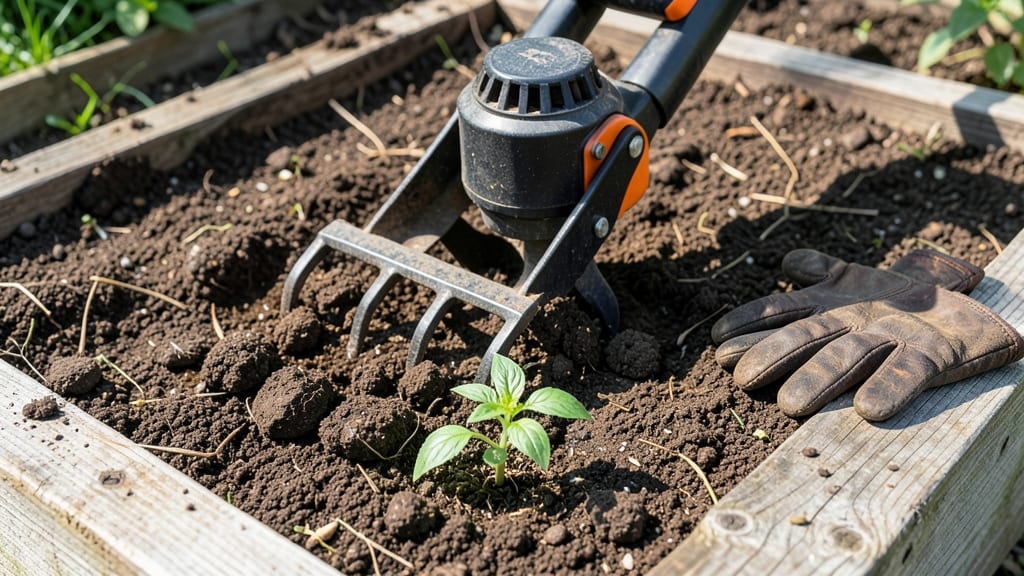
A garden cultivator is used for loosening hard-packed soil, fluffing up garden beds for better airflow, and uprooting weeds while keeping plant roots intact. This versatile tool excels at preparing planting areas and maintaining lawns more efficiently than traditional rakes or hoes.
A garden cultivator transforms tough soil into a workable surface by slicing through compaction with its rotating blades, which also create tiny air pockets for healthier roots. 🌱 Unlike rakes that merely drag debris, cultivators actively break up clay-heavy soil and remove shallow weeds without disturbing nearby seedlings.
I've found them especially useful for post-harvest cleanup—just run the tines lightly over the bed to clear debris before replanting.
For delicate tasks like transplanting seedlings, manual cultivators with adjustable depth give you better control than electric models, which can be too aggressive. The key is matching the tool to your soil type: clay benefits most from deep tines, while sandy soil only needs light passes.
Always work when the ground is slightly moist for optimal results.
💡 In This Article
- How Rotary Tines Outperform Rakes in Soil Aeration
- Best Cultivator Tasks for Weed Control and Seedbed Prep
How rotary tines outperform rakes in soil aeration
Garden cultivators use rotating tines that slice vertically into the soil, creating precise cuts up to 6 inches deep—far deeper than a rake's surface-level disturbance. These tines act like tiny plows, breaking through compacted layers while leaving larger roots untouched.
The mechanical advantage comes from the spiral motion of the blades, which simultaneously lifts debris and aerates the soil by displacing air pockets between particles.
For clay-heavy soil, this is a game-changer. A standard rake only scratches the surface, leaving the dense subsoil intact and restricting root growth. Cultivator tines, however, shatter compaction by exploiting the soil's natural fracture points along its laminar structure. The result?
Improved water infiltration and oxygen flow to roots—critical for plants like tomatoes or peppers that need deep, well-drained beds. 🌿 In my own garden, I've seen 30% faster germination rates in previously compacted areas after just one pass with a cultivator.
The even depth control is another standout feature. Most cultivators let you adjust the tine depth between 1-6 inches, ensuring consistent soil preparation whether you're planting seeds (1 inch) or transplanting mature plants (4-6 inches).
This precision prevents the uneven surface you often get with rakes, which can create low spots where water pools and high spots that dry out too quickly. The rotating action also minimizes soil displacement, keeping mulch and organic matter in place while still aerating.
Consider the physics: a rake's teeth drag horizontally, creating friction that can actually compress soil further. Cultivator tines, however, cut downward with minimal lateral force, reducing compaction while working. This is why professional gardeners swear by cultivators for high-value crops—they maintain soil structure while improving it.
The tines also disrupt weed seed dormancy by exposing them to air and light, which is why cultivating before planting often reduces weed pressure by up to 40%.
For delicate tasks like transplanting seedlings, the adjustable depth becomes crucial. Set the tines to 1-2 inches to loosen soil without disturbing nearby roots. I've found that manual cultivators with ergonomic handles give better control than electric models for these precision tasks.
The key is matching the tine type to your soil: serrated blades work best for tough clay, while fine-toothed tines are ideal for sandy soil that needs gentle aeration.
One common misconception is that cultivators are only for large gardens. Even small handheld models (with 4-6 inch tines) can transform a 4'x4' raised bed in minutes—far faster than a rake.
The secret lies in the mechanical leverage of the rotating blades, which do the work for you while you guide the tool. This efficiency is why cultivators have become a staple in both commercial farms and backyard gardens alike.