
Tools
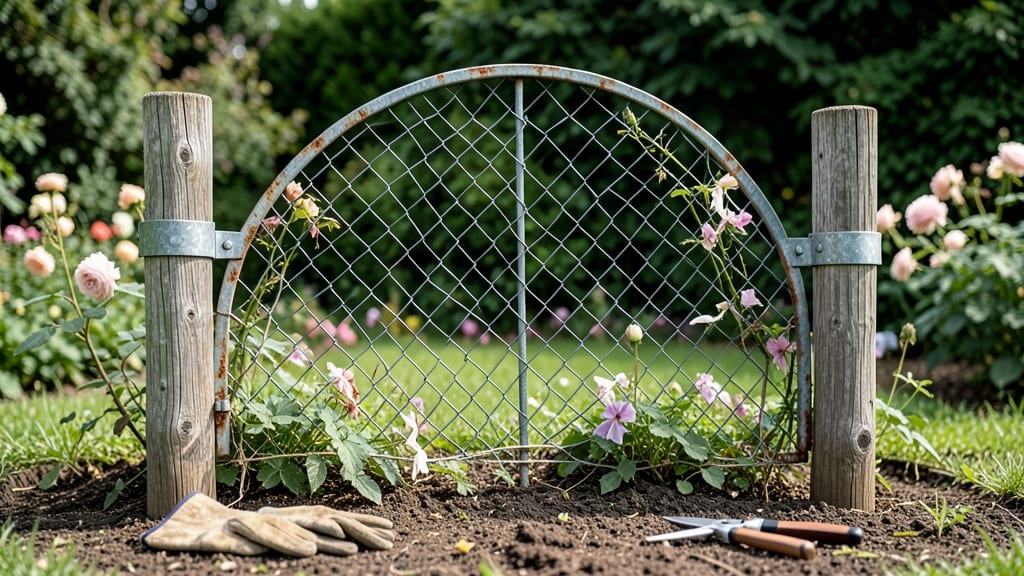
Determining the size of cattle panels for a garden arch requires matching 48-inch heights for climbing plants, 36-48-inch spans for stability, and 16-24 gauge panels for lightweight support. Always measure your space to ensure proper vine coverage and structural integrity.
Finding the right cattle panel dimensions ensures your garden arch stays sturdy while giving climbing plants like roses or clematis the support they need. 🌿 The 48-inch height is ideal because it accommodates most mature vines without requiring excessive bending, while the span width determines how much weight the structure can handle.
For example, a 36-inch span works well for smaller gardens, whereas a 48-inch span provides better stability in windy areas. The gauge thickness (16-24) balances durability and ease of assembly—thicker panels last longer but may be heavier to work with.
Beyond basic measurements, consider the angle of your arch. A slight slope (around 10-15 degrees) helps water drain away from the base, preventing rot. If you're working with heavy vines like wisteria, opt for 16-gauge panels and reinforce connections with galvanized hardware.
For lighter climbers like morning glories, 24-gauge panels will do just fine. Always check local wind conditions—taller arches in exposed areas may need additional bracing.
💡 In This Article
- How Cattle Panel Size Affects Garden Arch Stability
- Best Cattle Panel Sizes for Common Climbing Plants
How cattle panel size affects garden arch stability
The stability of your garden arch starts with understanding the relationship between panel height and span. A 48-inch height is the gold standard because it matches the mature growth height of most climbing plants like roses or clematis, while keeping the structure manageable for DIY assembly.
The span width (distance between posts) creates a triangle of support when combined with the arch's curve—this geometric principle distributes weight evenly. For example, a 36-inch span creates a stable base for smaller gardens, while a 48-inch span handles heavier vines or windier conditions.
The gauge thickness directly impacts weight capacity and durability. 16-gauge panels (0.064 inches thick) can support up to 150 pounds of vine weight, making them ideal for mature wisteria or grapevines. 20-gauge panels (0.036 inches) handle 50-75 pounds, perfect for roses or clematis, while 24-gauge panels (0.020 inches) work for lightweight climbers like morning glories.
The thinner the gauge, the more flexible the panel becomes—great for bending into arches but less resistant to wind stress. This flexibility also means you'll need more frequent bracing for taller structures.
Wind resistance becomes critical when your arch exceeds 5 feet in height. A 48-inch span arch with 20-gauge panels can withstand up to 30 mph winds when properly anchored, but add a 10-15 degree slope to the design to channel wind forces upward rather than sideways.
The arch's curve naturally deflects wind, but straight panels require additional cross-bracing every 24 inches for stability. For coastal areas, consider 16-gauge panels with galvanized hardware—the extra weight and corrosion resistance make all the difference in hurricane-prone zones.
Plant growth patterns also influence stability requirements. Vines like clematis grow in a spiral pattern that creates 3-5 pounds of tension per vine at maturity, while roses develop a bushier structure with 1-3 pounds of weight per stem.
The panel's height determines how much vertical space your vines have to spread—48-inch panels give clematis enough room to climb without overcrowding, while 36-inch panels work better for roses that prefer more horizontal growth.
The key is matching the panel height to your plant's mature growth habit to prevent overloading.
Assembly angle matters too—the 10-15 degree slope isn't just about wind resistance. This angle creates a natural water runoff path, keeping moisture away from the base where rust begins. Most cattle panels come in 4-foot widths, so you'll typically need 2-3 panels per arch depending on your span.
The overlap between panels should be at least 6 inches to prevent gaps where vines could escape. Use galvanized screws (not staples) for connections—they bite into the metal better and won't pull out when vines tug at the structure.
For maximum stability, bury the post bases 12 inches deep in concrete or use T-post anchors for sandy soil. The deeper the anchor, the more surface area the post has to resist lateral forces. In areas with heavy snow, add horizontal cross-bracing every 3 feet along the arch's length.
This creates a truss-like structure that can handle 10-15 pounds of snow load per square foot—critical for northern climates where winter weight can collapse lighter structures.