
Tools
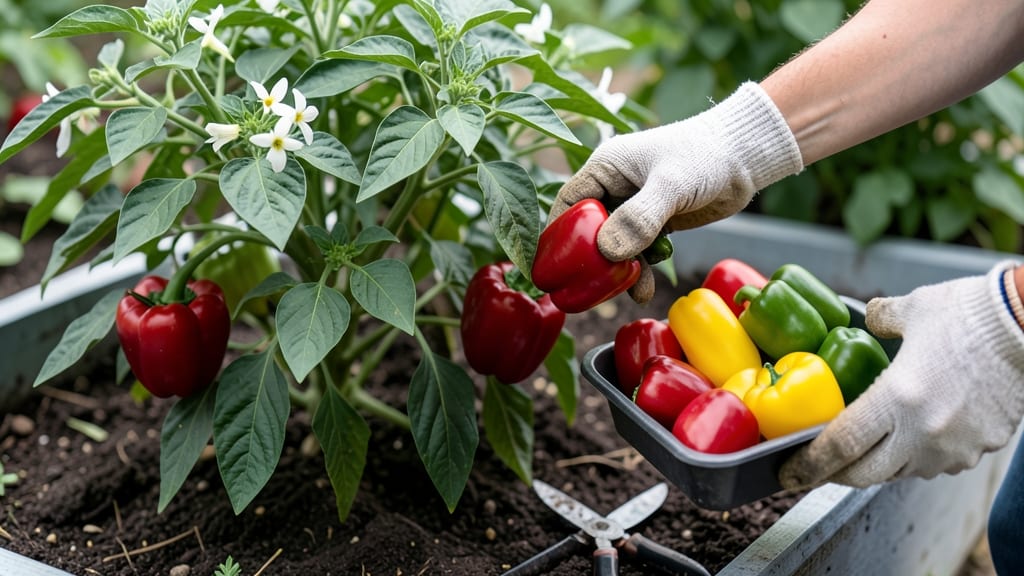
What to do with peppers from your garden includes preserving them fresh, cooked, or fermented to extend shelf life and enhance flavor—try pickling, drying, making hot sauce, or freezing whole for later use in soups, stir-fries, or roasted dishes. Avoid waste by repurposing overripe peppers into sauces or salsas.
Garden peppers are incredibly versatile, and the key to maximizing their potential lies in transforming them beyond simple salads. 🔥 Whether you have a surplus of jalapeños, bell peppers, or hot peppers, each preservation method unlocks unique flavors—fermentation adds tangy depth, drying concentrates heat, and freezing locks in freshness.
For instance, fermented peppers develop complex, umami-rich profiles perfect for hot sauces, while dried peppers become crispy, flavorful snacks or key ingredients in spice blends. Overripe peppers aren’t wasted either; they’re ideal for making sauces, salsas, or even pepper-infused oils that elevate everyday dishes.
Start with simple techniques like roasting and freezing whole peppers for quick meal prep, or experiment with pickling for tangy crunch. The goal is to turn your harvest into pantry staples that make cooking easier and more flavorful year-round.
💡 In This Article
- How to Preserve Garden Peppers for Long-Term Use
- 10 Easy Pepper Recipes to Use Up Your Harvest
How to preserve garden peppers for long-term use
Preserving garden peppers transforms their shelf life and flavor through science-backed techniques. Fermentation, for example, relies on lactic acid bacteria that convert sugars into acids and alcohols, creating that tangy, probiotic-rich kick.
This process also breaks down capsaicin molecules, making fermented peppers like jalapeños or serranos less harsh but more complex in flavor—ideal for hot sauces or spreads.
The magic happens at 68-72°F over 5-7 days, where the right balance of salt (2-3%) and time prevents mold while encouraging beneficial bacteria growth. 🔥
Drying peppers concentrates their natural sugars and oils, creating intense, crispy snacks or powdered spices. The key is proper moisture removal: air-drying at 140-160°F for 6-12 hours (depending on pepper type) ensures even dehydration without burning. Smaller peppers like chilies dry faster than thick-walled bell peppers.
Once fully dried, their texture becomes leathery or brittle, perfect for grinding into chili powder or stuffing with cheese. The process also preserves capsaicin, making dried peppers up to 10x hotter per gram than fresh ones!
Freezing peppers locks in freshness by halting microbial activity and enzyme reactions that cause spoilage. Whole peppers freeze beautifully for up to 12 months, while chopped or roasted peppers last 8-10 months.
The trick is blanching (2-3 minutes in boiling water) before freezing to stop enzymes that degrade texture. For example, frozen roasted bell peppers hold their smoky flavor perfectly for stir-fries, while whole frozen jalapeños can be charred and sliced straight from the freezer.
This method preserves 90% of vitamin C, unlike canning which loses 20-50%.
Vacuum-sealing takes preservation further by removing oxygen—critical for preventing oxidation that turns peppers bitter. This method works best for cooked peppers (like pepper relish) or those with high moisture content, as it extends shelf life to 18-24 months in the freezer.
The vacuum creates an airtight barrier that stops mold and bacteria growth, while also concentrating flavors over time. For instance, vacuum-sealed fermented hot sauce develops deeper notes after 3 months of storage, unlike open containers that spoil in 1-2 months. 💫
Each method alters peppers differently: fermentation adds acidity, drying intensifies heat, and freezing maintains freshness. The choice depends on your end goal—whether you want crispy snacks, tangy condiments, or quick-cooking ingredients.
For example, dried ancho peppers (dried poblano) are essential for mole sauce, while frozen jalapeños work perfectly in queso dip. Understanding these transformations helps you pick the right technique for your culinary needs.
Pro tip: Label everything with the date and method used. A simple pepper preservation log can save you from food waste and help track flavor development over time.
For instance, note when you fermented a batch of serranos—some develop funkier notes after 2 weeks of fermentation, while others peak at 1 week. This personalized approach turns preservation into a flavor experiment! ✨