
Tools
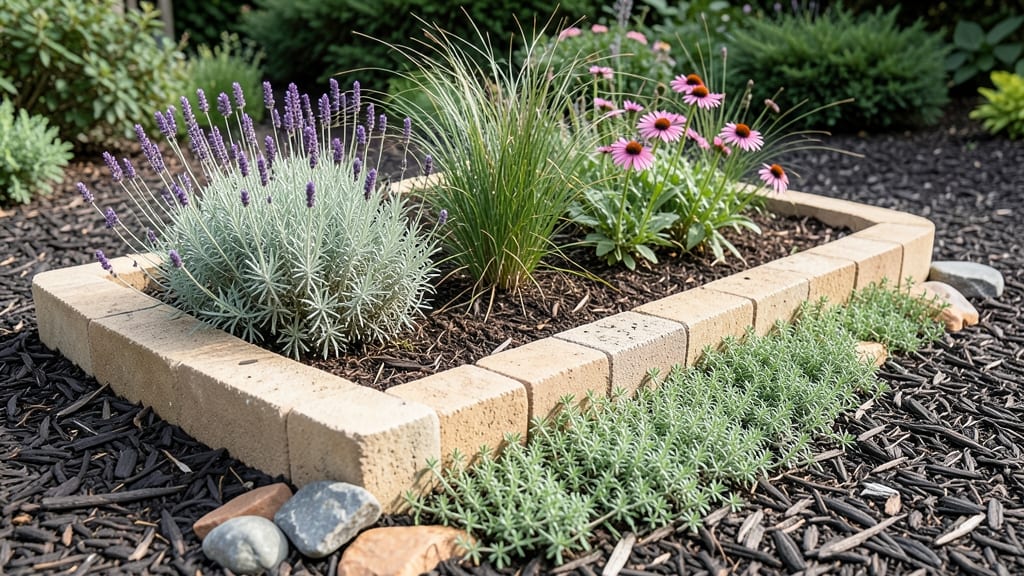
What to put around garden beds effectively requires materials like brick, stone, or metal edging to create clear borders and prevent weed intrusion. Organic options such as mulch, landscape fabric, or wood chips offer low-maintenance alternatives that also help retain soil moisture and suppress unwanted plant growth.
Choosing the right border materials depends on your garden's needs and style. 🌿 For instance, brick or stone edging provides a polished, long-lasting solution that works beautifully in formal gardens, while metal edging offers a sleek, modern look that's easy to install.
On the other hand, organic options like mulch or wood chips are perfect for natural landscapes, blending seamlessly with the surroundings while requiring minimal upkeep. The key is balancing functionality with aesthetics—whether you prioritize weed control or visual appeal.
Another factor to consider is how each material interacts with your soil and plants. For example, landscape fabric beneath mulch helps prevent weeds from growing through while still allowing water to penetrate, whereas wood chips break down over time, enriching the soil as they decompose.
I always recommend testing a small section first to see how the material performs in your specific climate and soil conditions before committing to a full installation.
💡 In This Article
- Best Garden Bed Edging Materials for Weed Control
- How to Choose Edging Based on Garden Layout
Best garden bed edging materials for weed control
Physical barriers like brick or stone create an impenetrable shield against weeds by forming a tight, raised edge that blocks light—critical because weeds need sunlight to germinate. A 3-4 inch deep installation ensures roots can't creep underneath, while the smooth, dense surface prevents seeds from lodging.
For example, granite or bluestone slabs (typically 1-2 inches thick) create a durable, weather-resistant border that lasts decades with minimal maintenance.
Metal edging, like galvanized steel or aluminum, offers a lighter alternative that bends to curves but requires 6-12 inches of depth to stay effective against aggressive weeds like creeping Charlie.
The organic approach—mulch or wood chips—works differently by smothering weeds through shade and moisture regulation. A 3-4 inch layer of hardwood mulch (like cedar or oak) suppresses weeds by blocking 90% of sunlight, while also moderating soil temperature.
Landscape fabric beneath mulch adds an extra barrier, though it must be 1-2 inches below the mulch surface to prevent fabric from overheating in summer. The trade-off? Organic materials break down over time, requiring replenishment every 1-3 years depending on climate.
Cost and installation effort vary dramatically between options. Brick or stone edging costs $5-$15 per square foot installed, with labor adding 50-100% to the total. Metal edging is cheaper ($1-$4 per foot), but requires precise digging and staking.
Organic options like mulch cost $0.50-$2 per square foot, but demand annual top-ups. For example, a 10x10 foot bed would cost $50-$200 for mulch compared to $500-$1,500 for stone. The choice often comes down to how much time you're willing to invest versus upfront costs.
Durability also depends on your climate. In freezing regions, metal edging can corrode within 5-10 years, while brick may crack from freeze-thaw cycles. Organic materials fare better in wet climates—they absorb excess moisture and prevent soil erosion.
In arid areas, mulch helps retain 30% more soil moisture, reducing irrigation needs by up to 50%. For example, a 4-inch mulch layer in a desert garden can mean the difference between thriving plants and struggling ones during summer droughts.
Consider the visual impact too. Brick or stone creates clean, geometric lines perfect for formal gardens, while rustic wood chips blend into natural landscapes. Color matters too—dark mulch absorbs heat, raising soil temps by 5-10°F in summer, which can stress heat-sensitive plants like lettuce.
Light-colored gravel reflects heat, making it ideal for Mediterranean-style gardens where herbs and succulents thrive in warmth.
For maximum weed control, combine materials. Start with a 6-inch deep trench filled with landscape fabric, then add 2 inches of gravel for drainage, topped with 3 inches of mulch.
This "layered defense" blocks weeds at multiple points while improving soil health. The gravel prevents fabric from decomposing, and the mulch keeps it all in place—like a fortress against invasive plants.
Pro tip: If you have pets, avoid cedar mulch—its oils can irritate paws. For high-traffic areas, opt for paver stones with interlocking edges, which resist shifting better than loose gravel. The right edging isn’t just about looks; it’s about creating a system that works with your garden’s unique challenges.