
Companion Plants
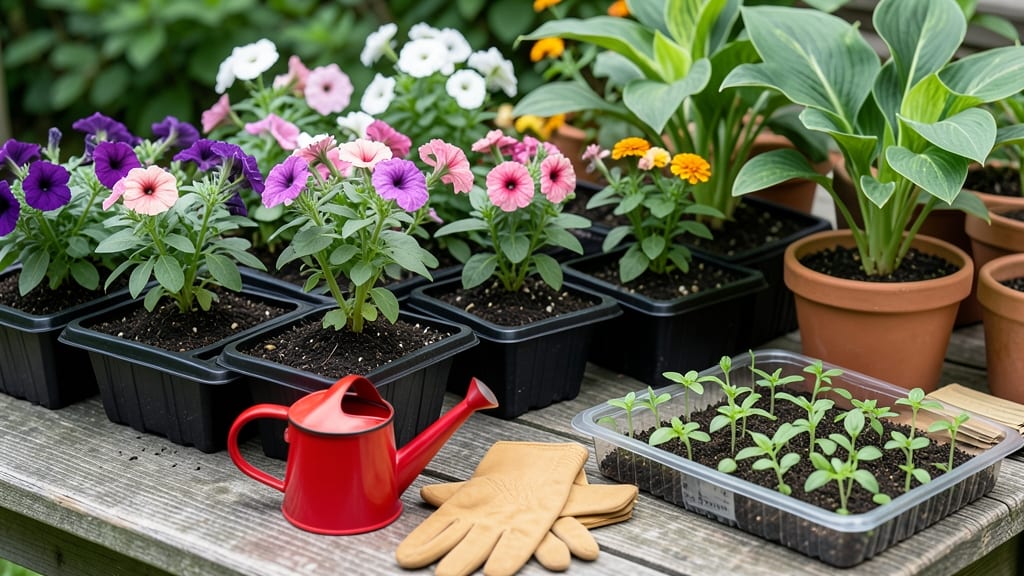
Garden centers offer a wide variety of the types of plants involved in landscaping, from seasonal blooms to foundational greenery. They typically stock annuals for vibrant seasonal displays, perennials that return year after year, shrubs and trees for structural foundation, vegetables and herbs for culinary use, and drought-resistant succulents and cacti. Additionally, bulbs and ground covers help create depth and texture in garden designs.
Garden centers organize plants based on their growth patterns, maintenance needs, and the specific roles they play in landscaping.
Annuals, for example, provide quick bursts of color but need replanting each season, while perennials offer long-lasting beauty with minimal effort. 🌿 Shrubs and trees serve as architectural anchors, while edible plants like herbs and vegetables cater to functional gardening goals.
Understanding these categories helps you select the right mix for your garden's style—whether you're aiming for a lush cottage garden or a low-water xeriscape design.
Many gardeners also focus on pairing plants with complementary needs, such as grouping sun-loving succulents with drought-tolerant grasses or placing shade-tolerant ferns near trees. This thoughtful arrangement ensures your garden thrives while minimizing upkeep.
The key is balancing fast-growing annuals with slower, structural plants to create a visually appealing and sustainable landscape.
💡 In This Article
- How Garden Centers Categorize Plants by Function and Growth Habits
- Selecting Plants for Your Garden: A Buyer’s Guide by Category
How garden centers categorize plants by function and growth habits
Garden centers group plants by their functional roles in landscapes, which directly impacts how they grow and thrive. Annuals, like marigolds or petunias, are prized for their fast-growing, seasonal blooms that provide vibrant color for 3-6 months before dying back.
Their quick turnover makes them ideal for filling gaps or creating temporary displays, but they require replanting each year. Perennials, such as coneflowers or hostas, establish deep root systems that allow them to return annually with minimal care, often thriving for decades with proper soil and sunlight.
The growth habits of these plants also dictate their placement in garden designs. Succulents like sedum or agave, for example, thrive in full sun and well-draining soil, making them perfect for drought-prone areas where they spread slowly but steadily.
In contrast, ferns and hostas prefer shady, moist conditions and grow more slowly, creating lush foliage that contrasts beautifully with faster-growing annuals. 🌵 This strategic grouping ensures plants with similar water and light needs are placed together, reducing maintenance while maximizing visual appeal.
Understanding these categories helps gardeners create balanced landscapes. Shrubs like boxwood or hydrangeas serve as structural elements, providing year-round interest with their dense foliage and seasonal flowers.
Trees, such as maples or dogwoods, offer height and seasonal color changes, while edible plants like tomatoes or basil cater to functional gardening goals. The key is balancing fast-growing annuals with slower, structural plants to create a cohesive design that evolves over time.
Soil preferences also play a critical role in categorization. Acid-loving plants like azaleas or blueberries require soil with a pH of 4.5-5.5, while alkaline-tolerant plants like lavender or yucca thrive in pH 7.0-8.0 conditions.
Garden centers often label plants with care instructions, helping you match them to your garden's specific conditions. This attention to detail ensures your plants not only survive but flourish, creating a thriving, low-stress landscape.
Seasonal cycles further influence plant selection. Spring-blooming bulbs like tulips or daffodils provide early color, while fall-blooming chrysanthemums extend the season. By layering plants with staggered bloom times, gardeners create continuous interest throughout the year.
This thoughtful approach to plant categorization transforms a garden center's offerings into a curated palette for designing spaces that are both beautiful and functional.
For instance, a modern garden might emphasize clean lines with structured shrubs and geometric ground covers, while a cottage garden would blend loose annuals, climbing roses, and fragrant herbs for a more organic feel.
The same center stocks all these plants, but their arrangement and purpose differ based on the gardener's vision. 🌸