
Tools
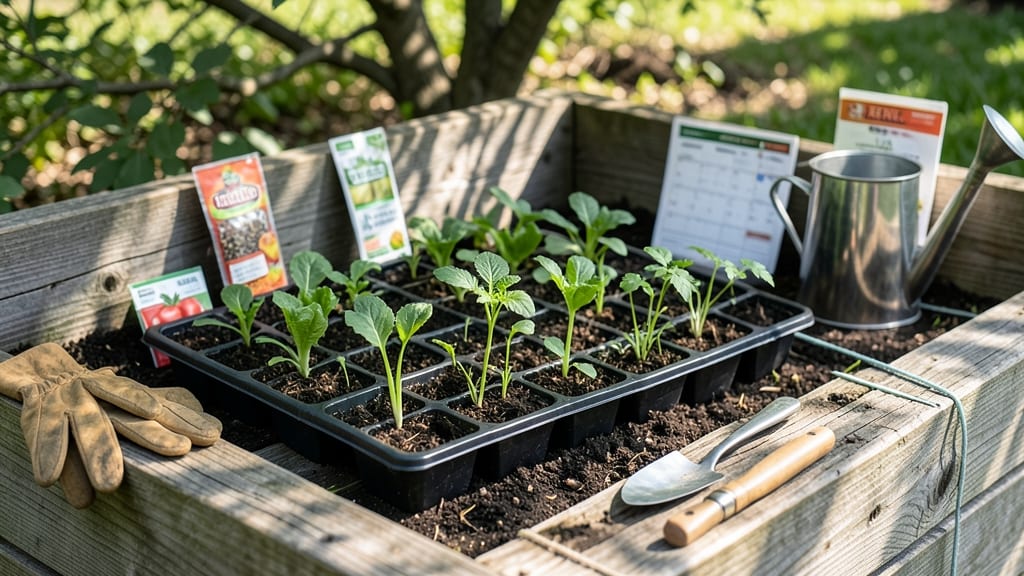
The best time to start a vegetable garden depends on your climate and crop types, but most gardeners should begin 4-6 weeks before the last frost in spring.
Timing your vegetable garden start can mean the difference between a bountiful harvest and wasted effort—yet most gardeners miss the optimal windows for their climate and crop types.
Cool-season crops like peas and spinach thrive when planted in early spring, while tomatoes and peppers need warmer soil temperatures, typically waiting until after the last frost date.
In this guide, you’ll learn how to read your local frost dates, adjust for microclimates, and choose the perfect window for your fastest-growing vegetables.
Optimal planting windows by USDA Hardiness zones: a climate-smart calendar
Your USDA Hardiness Zone determines the perfect planting windows for vegetables, but even small variations in last frost dates can shift your schedule by weeks. For example, Zone 5 gardeners should start cool-season crops like peas in early March, while Zone 10 can plant year-round with staggered schedules.
Understanding these deadlines prevents wasted seeds and maximizes your harvest potential.
Most gardeners focus on last frost dates, but soil temperature and microclimates (like urban heat islands) also matter. A south-facing slope warms faster than a north-facing garden bed, creating opportunities for earlier planting.
For instance, in Zone 7, you might plant tomatoes in late April on a warm slope but wait until mid-May in a shaded area.
Here’s how to calculate your local planting windows using USDA Zone maps and historical frost data. Start by finding your zone (check the USDA Plant Hardiness Zone Map), then adjust for your specific microclimate.
For example, Zone 6 typically has a last frost date around April 15, but urban areas may be 2 weeks earlier.
| USDA Zone | Cool-Season Start | Warm-Season Start | Last Frost Date | Microclimate Adjustment |
|---|---|---|---|---|
| Zone 3-4 | Mid-April to May 1 | Late May to June 1 | April 15–May 1 | +7–10 days for south slopes |
| Zone 5-6 | Early March to April 15 | April 30 to May 15 | April 1–April 15 | +5–7 days for urban heat |
| Zone 7-8 | February to March 15 | March 20 to April 15 | March 1–March 15 | +3–5 days for microclimates |
| Zone 9-10 | Year-round (staggered) | January to February | No frost risk | Adjust for heat waves |
For cool-season crops like lettuce, spinach, and broccoli, aim to plant 4–6 weeks before your last frost date. These fast-growing vegetables thrive in cooler weather and can even tolerate light frosts. In Zone 4, that means sowing seeds indoors in early March or directly outdoors in late March.
Warm-season crops—such as tomatoes, peppers, and cucumbers—need soil temperatures above 60°F to germinate. Use a soil thermometer to confirm readiness. In Zone 5, wait until mid-May, while Zone 9 can start as early as January. Succession planting every 2 weeks ensures a continuous harvest.
Adjust your schedule if your garden has microclimate variations. For example, a black plastic mulch can warm soil by 5–10°F, allowing earlier planting of warm-season crops. Conversely, shaded areas may require delaying tomato planting by 1–2 weeks. Always monitor local weather forecasts for unexpected frost warnings.
Pro tip: Use row covers or cold frames to extend early planting by 2–4 weeks. These tools protect tender seedlings from late frosts while accelerating soil warming. For instance, in Zone 6, you can plant cabbage outdoors in early March with a floating row cover.
Finally, slow-growing crops like asparagus and brussels sprouts need early starts but take years to mature. Plant asparagus crowns in Zone 5 by late April, while brussels sprouts can go in as early as March.
Always check seed packets for days to maturity to align planting with your harvest goals.
By mastering these zone-specific deadlines and microclimate adjustments, you’ll transform guesswork into a predictable, bountiful harvest. Start with your cool-season crops, then shift to warm-season plants as temperatures rise—your garden will thank you! 🌱
How to extend your growing season for early or late starts
Even in frost-prone climates or short growing seasons, you can push your planting dates with the right techniques. I’ve used these methods to harvest spinach in March and tomatoes in October—here’s how to do it safely.
Start by choosing cold-hardy varieties like kale or peas for early starts, or heat-tolerant options like okra or sweet potatoes for late-season extensions. The key is matching your crop type to the seasonal window you’re extending.
⚠️ WARNING: Premature planting is a common mistake! Even with protective measures, frost-sensitive plants like tomatoes or peppers won’t survive temperatures below 50°F (10°C). Always check your last frost date and plan accordingly.
⚠️ Danger Zone: When to Avoid Extending Your Season
Planting warm-season crops too early can stunt growth or kill seedlings. Cold frames and row covers only work up to 10°F (5°C) below your plant’s tolerance. Always verify:
- Soil temperature (use a thermometer—50°F (10°C) is the minimum for most veggies).
- Nighttime lows (protection fails if temps drop below 32°F (0°C) for extended periods).
- Plant hardiness (check seed packets for cold tolerance ratings).
Pro Tip: Start with fast-maturing varieties (e.g., radishes in 25 days) to test your extended season before committing to longer crops.
For early starts, use cold frames or low tunnels to trap heat. I’ve seen 3-4 weeks earlier harvests with these—just ensure good ventilation to prevent fungal diseases from excess moisture.
Try succession planting every 2-3 weeks for continuous harvests. For example, plant lettuce every 10 days in spring and fall to avoid bolting (when heat triggers flowering). This works especially well for leafy greens and root vegetables.
In late summer, opt for heat-tolerant varieties like Malabar spinach or Swiss chard, which thrive when daytime temps exceed 85°F (29°C). Pair these with shade cloth (30-50%) to protect delicate plants from sun scorch.
Remember: Monitor weather forecasts and have a backup plan (like a greenhouse or indoor grow lights) for unexpected late frosts or heatwaves. With these techniques, you can turn a 6-month season into a 9-month harvest—or more!