
Container Gardens
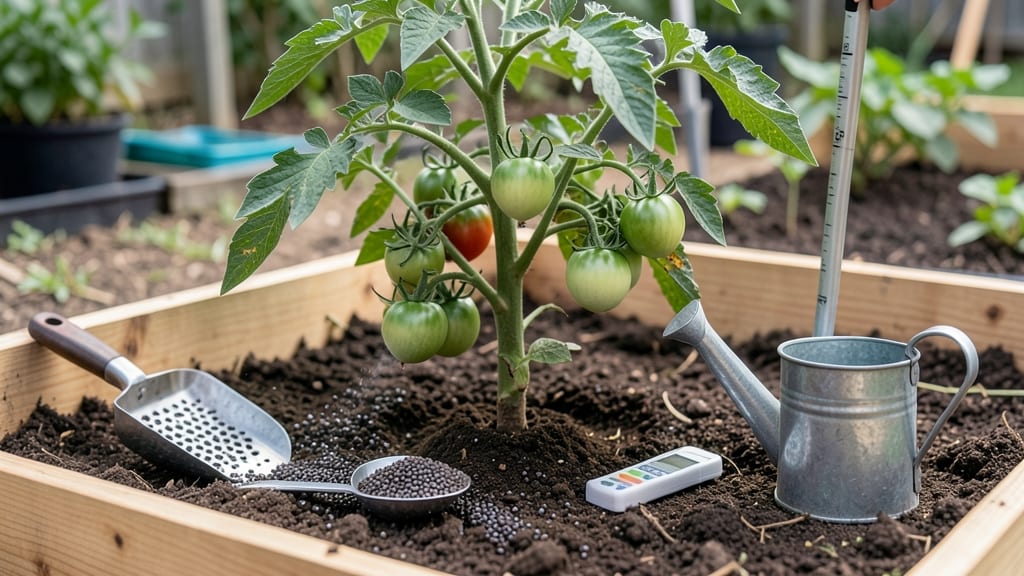
To add fertilizer to your garden, time it with the growing season—spring and early fall work best for most plants, while cool-season crops thrive with late summer applications. Always match fertilizer type to your plants' specific needs and confirm with soil tests for balanced nutrition.
Timing matters because plants absorb nutrients most efficiently during active growth phases. 🌱 In spring, when roots expand and new shoots emerge, a balanced fertilizer gives plants the boost they need to establish strong systems.
For cool-season crops like lettuce or spinach, late summer applications help them store energy for winter survival. I always recommend testing soil first—this reveals what nutrients are already present so you don't overdo it with nitrogen, phosphorus, or potassium.
What's interesting is how different plants respond: vegetables like tomatoes need frequent light feedings, while perennials often prefer a single heavy dose in early spring.
Over-fertilizing can burn roots, so start with half the recommended amount and adjust based on leaf color—dark green means happy plants, while yellowing suggests too much fertilizer.
💡 In This Article
- Seasonal Fertilizer Timing for Optimal Plant Growth
- Plant-Specific Fertilizer Schedules and Soil Prep Tips
Seasonal fertilizer timing for optimal plant growth
Plants follow natural growth cycles that align with seasonal changes, and fertilizer timing should match these rhythms. In spring, when soil temperatures rise above 50°F, roots become active and begin absorbing nutrients aggressively.
This is why early spring (March-April in most climates) is prime time for applying balanced fertilizers like 10-10-10. The key mechanism here is root development—new root hairs form rapidly, creating more surface area for nutrient uptake.
For warm-season crops like tomatoes and peppers, wait until after the last frost when soil reaches 60°F to avoid shocking tender roots.
Summer fertilization requires caution because high temperatures accelerate nutrient breakdown. Organic fertilizers like compost or fish emulsion release nutrients slowly, preventing burn. The best approach is to side-dress with 1-2 inches of compost around plants every 4-6 weeks during active growth.
What most gardeners miss is that midday heat causes fertilizer granules to dissolve too quickly, leading to salt buildup that damages roots. Always water thoroughly before and after applying fertilizer in summer to help distribute nutrients evenly.
Fall fertilization serves two critical purposes: preparing plants for dormancy and replenishing soil nutrients. For cool-season crops like kale or carrots, apply a light dose of high-nitrogen fertilizer in late summer (August-September) to boost leafy growth.
Perennials benefit from a low-nitrogen, high-phosphorus fertilizer in early fall to strengthen root systems before winter. The science here involves nutrient storage—plants convert excess nitrogen into proteins and store phosphorus in roots for spring regrowth. Never fertilize after October in most climates, as new growth won't harden off before frost.
Winter is essentially a fertilization hiatus period. Most plants enter dormancy, slowing nutrient uptake by 90% or more. Exceptions include evergreens and winter vegetables like spinach, which need minimal organic matter additions.
The one exception is lawns in mild climates—applying a slow-release winterizer in late fall helps grass roots grow deeper before spring. What's fascinating is how soil microbes behave differently in winter: they become less active, so synthetic fertilizers applied now won't break down as intended.
Regional climate plays a huge role in timing adjustments. In Zone 5, gardeners might fertilize 2-3 weeks later than Zone 7 counterparts due to cooler springs. The Evergreen Seeds team recommends tracking your local frost dates and adjusting by 30 days for optimal timing.
For container gardens, the rules shift slightly—potted plants need more frequent feeding (every 4-6 weeks) because nutrients leach out faster with watering. The key is observing your plants: dark green leaves with visible new growth signal successful timing, while yellowing or wilting indicates you've missed the window.
Here's what happens when you get timing wrong: Applying fertilizer in late summer can cause tender new growth that gets damaged by early frosts. Conversely, fertilizing too early in spring (before soil warms) wastes nutrients as they get leached away by spring rains.
The perfect balance comes from understanding your plants' specific needs—vegetables need frequent light feedings, while trees benefit from one heavy application in early spring followed by mulch to retain moisture and nutrients.