
Fertilization
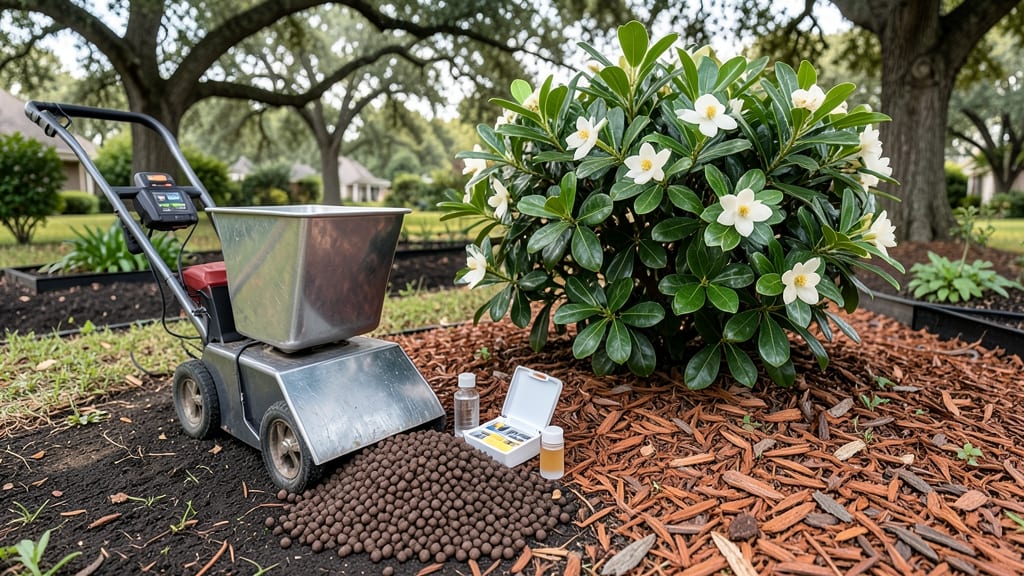
To fertilize gardenias in Florida, time it every 6-8 weeks from spring through fall—just as the blooms start fading and new growth kicks in.
Florida’s warm climate lets gardenias bloom almost year-round—but without the right fertilization timing, their fragrant flowers can become sparse or weak. Mastering the perfect schedule transforms your gardenias from occasional bloomers into a fragrant, ever-flowering showstopper.
Most gardeners overlook the acidic fertilizer rule, but gardenias thrive on pH 5.0-6.0 soil. A simple soil test before feeding can save you from burnt roots or stunted growth.
Here’s exactly when to feed, what signs to watch for, and how to pick the best fertilizer for Florida’s humidity and heat—so your 🌸 gardenias stay lush and blooming all year.

Optimal Florida gardenia fertilization schedule by season
Florida’s year-round growing season creates the perfect conditions for gardenias 🌸 to thrive—but their fragrant blooms depend entirely on precise fertilization timing. Unlike northern climates, Florida’s warm winters and humid summers mean gardenias grow almost continuously, requiring a seasonal feeding schedule tailored to their natural cycles.
Most gardeners make the mistake of fertilizing too heavily during summer’s peak heat, which can burn roots or trigger excessive foliage over blooms. Instead, we focus on pre-bloom feeding in spring and light maintenance during summer, with a final boost in fall to set up winter blooms.
Florida’s USDA Zones 9a-11 mean we can adjust slightly based on your specific region—cooler northern Florida may need a slightly earlier schedule than Miami’s tropical climate.
Key principle: Gardenias bloom best when fed before new growth begins, not after. This means timing feeds to align with leaf flushes rather than just calendar months. For example, a late-winter flush in Zone 9b might need an early February feed, while Zone 10 gardenias may start growing in January.
🌱 Pro Tip: Always use an acid-loving plant fertilizer (pH 5.0-6.0) designed for azaleas or camellias. Regular garden fertilizers can raise soil pH too high, causing chlorosis (yellow leaves with green veins). Test your soil every 2-3 years—Florida’s sandy soils often need peat moss or sulfur to maintain acidity.
My Zone 9b gardenias in Orlando get their first feed in late January when I see new leaf buds forming. I use a 6-6-6 acidic fertilizer because the equal NPK ratio promotes balanced growth without favoring foliage over flowers.
For potted gardenias, I halve the dosage since roots have less soil volume to absorb nutrients.
💧 Watering Tip: Always water deeply 24 hours before and after fertilizing to prevent root burn. Florida’s sandy soils dry quickly, so I use 1-2 gallons per watering (about 3.8-7.6 liters) to ensure nutrients reach the root zone. Mulching with pine bark helps maintain soil moisture and acidity.
Organic gardeners swear by fish emulsion or composted manure during summer months, while synthetic users prefer slow-release granules for convenience. I’ve found that organic
Signs your Florida gardenia needs fertilizer (and when to adjust)
Your Florida gardenia might be silently begging for nutrients even when it looks healthy. Yellowing leaves between veins, sparse blooms, or weak stems are classic red flags that your plant isn’t getting enough nitrogen, phosphorus, or micronutrients.
In Florida’s humid climate, these signs often appear gradually, so catching them early means the difference between a fragrant showstopper and a struggling shrub.
Don’t wait until your gardenia stops blooming entirely—leaf discoloration and stunted growth are the first clues. Pale green or yellow leaves (especially on new growth) signal nitrogen deficiency, while purple stems or undersides of leaves mean phosphorus is lacking.
Even over-fertilization can cause problems, like brown leaf tips or leaf drop, so balancing is key.
Florida’s high humidity and heat accelerate nutrient absorption—but also increase the risk of root burn. If you see crispy brown edges on leaves or white salt deposits on soil, you’ve overdone it. Flush the soil with water immediately and reduce fertilizer by half for 2 months.
In summer, switch to a light feed (every 8-10 weeks) instead of the usual 6-week schedule.
Your gardenia’s bloom frequency is another dead giveaway. Healthy gardenias in Florida produce continuous blooms year-round, with 3-4 flowers per stem during peak seasons.
If you’re seeing fewer than 2 blooms per stem or buds dropping before opening, it’s time to fertilize. Spring and early summer are critical—this is when your gardenia builds energy for fall and winter blooms, which are often the most fragrant.
Check the soil pH too—Florida’s native soil is often too alkaline (above 7.0), which locks out nutrients. Gardenias thrive in acidic soil (pH 5.0-6.0).
If your soil test shows higher pH, amend with sulfur or peat moss before fertilizing. Slow-release acidic fertilizers (like azalea/camellia blends) are your best bet—they mimic Florida’s natural peaty, acidic conditions while feeding gradually.
For container gardenias, the signs are even clearer: roots circling the pot or water draining too quickly mean the plant is outgrowing its nutrients.
Repot with fresh, acidic potting mix and fertilize immediately. Potted plants need fertilizer every 4-6 weeks in Florida’s heat, while in-ground gardenias can stretch to 6-8 weeks between feedings.
Adjust your schedule based on these cues: Feed in early spring (February-March) to kickstart growth, light feed in summer (June-August), and feed again in fall (September-October) for winter blooms. Skip winter fertilization entirely—your gardenia is dormant and won’t benefit from extra nutrients.