
Container Gardens
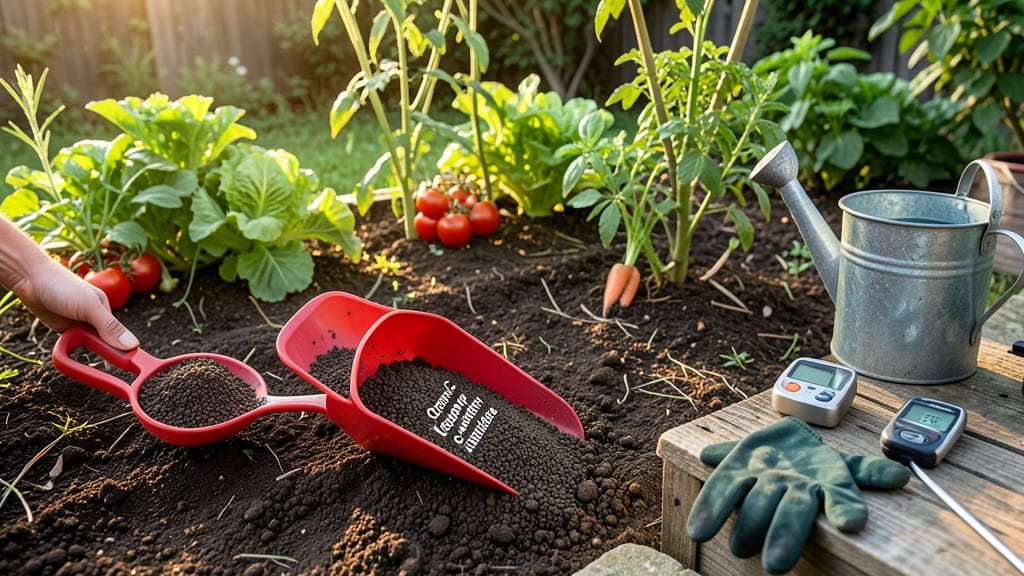
To fertilize your garden effectively, time it according to plant types and seasons: use early spring for cool-season crops, late spring for warm-season plants, and mid-season for flowering perennials. Follow soil test results and avoid fertilizing during dormant periods or extreme heat.
Timing matters because plants absorb nutrients differently based on growth stages. 🌱 Cool-season crops like spinach and kale need a nutrient boost when they emerge in spring, while warm-season plants such as tomatoes and peppers thrive when fertilized after their roots establish in late spring.
Flowering perennials often benefit from a mid-season feeding to support blooming. I’ve found that skipping fertilization during summer’s peak heat prevents stress—plants focus on survival, not growth.
Another key factor is soil preparation. A soil test reveals what nutrients your garden lacks, helping you choose the right fertilizer type and amount. For example, nitrogen-heavy fertilizers work well for leafy greens, while phosphorus-rich options encourage flowering.
Always water before and after applying fertilizer to help nutrients reach the roots without burning plant tissue.
💡 In This Article
- Seasonal Fertilizer Timing for Maximum Plant Growth
- Plant-Specific Fertilizing Schedules for Vegetables, Flowers, and Lawns
Seasonal fertilizer timing for maximum plant growth
Seasonal timing isn't just about convenience—it's about aligning with how plants naturally absorb nutrients. During early spring, soil temperatures typically range between 45-55°F, which is ideal for cool-season crops like broccoli and peas to activate their root systems.
This is when plants need nitrogen to build leaves, but too much fertilizer can burn tender new growth. The key is applying a balanced fertilizer (like a 10-10-10 ratio) when soil is workable but not yet warm, usually 4-6 weeks before the last frost date. 🌱
Summer heat throws a curveball because soil microbes—responsible for breaking down organic matter—become less active when temperatures exceed 85°F. This means synthetic fertilizers become more effective, but they also increase the risk of nutrient runoff during heavy rains.
Warm-season plants like cucumbers and peppers actually need less frequent feeding once established, but a light application of potassium-rich fertilizer (like 0-0-50) in early summer helps them withstand heat stress and disease pressure. The trick is to fertilize in the early morning or late evening when temperatures are cooler.
Fall fertilization serves a different purpose: it's about preparing plants for winter dormancy.
Perennials and woody plants store nutrients in their roots during autumn, so applying a slow-release fertilizer in late summer to early fall (around 6-8 weeks before first frost) gives them time to absorb and store essential elements.
This is especially critical for trees and shrubs—think of it as giving them a "winter coat" of nutrients. Organic options like compost or bone meal work well because they release nutrients gradually, preventing winter burn.
Winter is the one season where most plants go dormant, but there are exceptions. Evergreens and cool-season vegetables like spinach can still benefit from a light feeding if temperatures stay above freezing.
The rule of thumb is to avoid fertilizing when soil is frozen or saturated—nutrients won't move through the soil, and you risk burning roots. For container plants, which warm up faster, a diluted fish emulsion applied in mild winter months can give them a gentle boost without stress. 💛
Here's what happens when you get the timing wrong: Over-fertilizing in summer can cause plants to produce lush foliage at the expense of flowers and fruit, while fertilizing too late in fall may stimulate new growth that gets damaged by frost.
The science shows that plants absorb 80% of their annual nutrients during active growth periods—spring and early summer—so focusing your efforts there maximizes your garden's potential.
Pro tip: Mark your calendar based on your USDA hardiness zone. For example, Zone 5 gardens might fertilize 2 weeks earlier than Zone 8 gardens because their growing seasons are shorter.
Always water thoroughly after applying fertilizer to help nutrients penetrate 6-8 inches deep into the soil, where most roots are actively growing. This simple step can double your fertilizer's effectiveness! ✨